FemiCore Ingredients: Full List, What Each Does & Safety (2026)
Disclaimer: Informational only, not medical advice. Ingredients below come from the official FemiCore label; this is not a recommendation to treat any condition. Contains affiliate links.
The 2023 Cochrane systematic review on cranberry for UTI prevention is the most comprehensive analysis available — 50 randomized controlled trials, 8,857 participants. It found cranberry products reduced UTI risk by approximately 26% overall, with stronger effects in women with recurrent UTIs (Williams G et al., Cochrane Database Syst. Rev., 2023; doi: 10.1002/14651858.CD001321.pub6). A 2024 meta-analysis in Frontiers in Nutrition found products containing at least 36 mg of PACs daily showed the most consistent preventive effects (Li Y et al., Front. Nutr., 2024; doi: 10.3389/fnut.2024.1346894). The mechanism: PACs prevent uropathogenic E. coli from adhering to urinary-tract walls — no adhesion, no infection. The five Lactobacillus strains (L. crispatus, L. acidophilus, L. plantarum, L. gasseri, L. casei) target the urinary microbiome directly. A 2023 review in Microorganisms confirmed that L. crispatus and L. gasseri are the strains with the most documented evidence for urogenital microbiome protection (Reid G et al., Microorganisms, 2023; doi: 10.3390/microorganisms11020316). The idea: a Lactobacillus-dominant urinary environment makes it harder for pathogens to establish. Berberine has documented antimicrobial and anti-inflammatory properties with activity against UTI-associated bacteria in lab settings, but human clinical trial data for UTI prevention specifically is limited. Vitamin C supports urinary acidification, making the environment less hospitable to pathogens. The key honest point: these ingredients are credible individually, but this exact combined formula has not been independently studied as a whole, so treat the blend as reasonable rather than clinically proven.The 2023 Cochrane systematic review on cranberry for UTI prevention is the most comprehensive analysis available — 50 randomized controlled trials, 8,857 participants. It found cranberry products reduced UTI risk by approximately 26% overall, with stronger effects in women with recurrent UTIs (Williams G et al., Cochrane Database Syst. Rev., 2023; doi: 10.1002/14651858.CD001321.pub6). A 2024 meta-analysis in Frontiers in Nutrition found products containing at least 36 mg of PACs daily showed the most consistent preventive effects (Li Y et al., Front. Nutr., 2024; doi: 10.3389/fnut.2024.1346894). The mechanism: PACs prevent uropathogenic E. coli from adhering to urinary-tract walls — no adhesion, no infection. The five Lactobacillus strains (L. crispatus, L. acidophilus, L. plantarum, L. gasseri, L. casei) target the urinary microbiome directly. A 2023 review in Microorganisms confirmed that L. crispatus and L. gasseri are the strains with the most documented evidence for urogenital microbiome protection (Reid G et al., Microorganisms, 2023; doi: 10.3390/microorganisms11020316). The idea: a Lactobacillus-dominant urinary environment makes it harder for pathogens to establish. Berberine has documented antimicrobial and anti-inflammatory properties with activity against UTI-associated bacteria in lab settings, but human clinical trial data for UTI prevention specifically is limited. Vitamin C supports urinary acidification, making the environment less hospitable to pathogens. The key honest point: these ingredients are credible individually, but this exact combined formula has not been independently studied as a whole, so treat the blend as reasonable rather than clinically proven.The 2023 Cochrane systematic review on cranberry for UTI prevention is the most comprehensive analysis available — 50 randomized controlled trials, 8,857 participants. It found cranberry products reduced UTI risk by approximately 26% overall, with stronger effects in women with recurrent UTIs (Williams G et al., Cochrane Database Syst. Rev., 2023; doi: 10.1002/14651858.CD001321.pub6). A 2024 meta-analysis in Frontiers in Nutrition found products containing at least 36 mg of PACs daily showed the most consistent preventive effects (Li Y et al., Front. Nutr., 2024; doi: 10.3389/fnut.2024.1346894). The mechanism: PACs prevent uropathogenic E. coli from adhering to urinary-tract walls — no adhesion, no infection. The five Lactobacillus strains (L. crispatus, L. acidophilus, L. plantarum, L. gasseri, L. casei) target the urinary microbiome directly. A 2023 review in Microorganisms confirmed that L. crispatus and L. gasseri are the strains with the most documented evidence for urogenital microbiome protection (Reid G et al., Microorganisms, 2023; doi: 10.3390/microorganisms11020316). The idea: a Lactobacillus-dominant urinary environment makes it harder for pathogens to establish. Berberine has documented antimicrobial and anti-inflammatory properties with activity against UTI-associated bacteria in lab settings, but human clinical trial data for UTI prevention specifically is limited. Vitamin C supports urinary acidification, making the environment less hospitable to pathogens. The key honest point: these ingredients are credible individually, but this exact combined formula has not been independently studied as a whole, so treat the blend as reasonable rather than clinically proven.
What Are the Ingredients in FemiCore?
The 2023 Cochrane systematic review on cranberry for UTI prevention is the most comprehensive analysis available — 50 randomized controlled trials, 8,857 participants. It found cranberry products reduced UTI risk by approximately 26% overall, with stronger effects in women with recurrent UTIs (Williams G et al., Cochrane Database Syst. Rev., 2023; doi: 10.1002/14651858.CD001321.pub6). A 2024 meta-analysis in Frontiers in Nutrition found products containing at least 36 mg of PACs daily showed the most consistent preventive effects (Li Y et al., Front. Nutr., 2024; doi: 10.3389/fnut.2024.1346894). The mechanism: PACs prevent uropathogenic E. coli from adhering to urinary-tract walls — no adhesion, no infection. The five Lactobacillus strains (L. crispatus, L. acidophilus, L. plantarum, L. gasseri, L. casei) target the urinary microbiome directly. A 2023 review in Microorganisms confirmed that L. crispatus and L. gasseri are the strains with the most documented evidence for urogenital microbiome protection (Reid G et al., Microorganisms, 2023; doi: 10.3390/microorganisms11020316). The idea: a Lactobacillus-dominant urinary environment makes it harder for pathogens to establish. Berberine has documented antimicrobial and anti-inflammatory properties with activity against UTI-associated bacteria in lab settings, but human clinical trial data for UTI prevention specifically is limited. Vitamin C supports urinary acidification, making the environment less hospitable to pathogens. The key honest point: these ingredients are credible individually, but this exact combined formula has not been independently studied as a whole, so treat the blend as reasonable rather than clinically proven.The 2023 Cochrane systematic review on cranberry for UTI prevention is the most comprehensive analysis available — 50 randomized controlled trials, 8,857 participants. It found cranberry products reduced UTI risk by approximately 26% overall, with stronger effects in women with recurrent UTIs (Williams G et al., Cochrane Database Syst. Rev., 2023; doi: 10.1002/14651858.CD001321.pub6). A 2024 meta-analysis in Frontiers in Nutrition found products containing at least 36 mg of PACs daily showed the most consistent preventive effects (Li Y et al., Front. Nutr., 2024; doi: 10.3389/fnut.2024.1346894). The mechanism: PACs prevent uropathogenic E. coli from adhering to urinary-tract walls — no adhesion, no infection. The five Lactobacillus strains (L. crispatus, L. acidophilus, L. plantarum, L. gasseri, L. casei) target the urinary microbiome directly. A 2023 review in Microorganisms confirmed that L. crispatus and L. gasseri are the strains with the most documented evidence for urogenital microbiome protection (Reid G et al., Microorganisms, 2023; doi: 10.3390/microorganisms11020316). The idea: a Lactobacillus-dominant urinary environment makes it harder for pathogens to establish. Berberine has documented antimicrobial and anti-inflammatory properties with activity against UTI-associated bacteria in lab settings, but human clinical trial data for UTI prevention specifically is limited. Vitamin C supports urinary acidification, making the environment less hospitable to pathogens. The key honest point: these ingredients are credible individually, but this exact combined formula has not been independently studied as a whole, so treat the blend as reasonable rather than clinically proven.The 2023 Cochrane systematic review on cranberry for UTI prevention is the most comprehensive analysis available — 50 randomized controlled trials, 8,857 participants. It found cranberry products reduced UTI risk by approximately 26% overall, with stronger effects in women with recurrent UTIs (Williams G et al., Cochrane Database Syst. Rev., 2023; doi: 10.1002/14651858.CD001321.pub6). A 2024 meta-analysis in Frontiers in Nutrition found products containing at least 36 mg of PACs daily showed the most consistent preventive effects (Li Y et al., Front. Nutr., 2024; doi: 10.3389/fnut.2024.1346894). The mechanism: PACs prevent uropathogenic E. coli from adhering to urinary-tract walls — no adhesion, no infection. The five Lactobacillus strains (L. crispatus, L. acidophilus, L. plantarum, L. gasseri, L. casei) target the urinary microbiome directly. A 2023 review in Microorganisms confirmed that L. crispatus and L. gasseri are the strains with the most documented evidence for urogenital microbiome protection (Reid G et al., Microorganisms, 2023; doi: 10.3390/microorganisms11020316). The idea: a Lactobacillus-dominant urinary environment makes it harder for pathogens to establish. Berberine has documented antimicrobial and anti-inflammatory properties with activity against UTI-associated bacteria in lab settings, but human clinical trial data for UTI prevention specifically is limited. Vitamin C supports urinary acidification, making the environment less hospitable to pathogens. The key honest point: these ingredients are credible individually, but this exact combined formula has not been independently studied as a whole, so treat the blend as reasonable rather than clinically proven.The 2023 Cochrane systematic review on cranberry for UTI prevention is the most comprehensive analysis available — 50 randomized controlled trials, 8,857 participants. It found cranberry products reduced UTI risk by approximately 26% overall, with stronger effects in women with recurrent UTIs (Williams G et al., Cochrane Database Syst. Rev., 2023; doi: 10.1002/14651858.CD001321.pub6). A 2024 meta-analysis in Frontiers in Nutrition found products containing at least 36 mg of PACs daily showed the most consistent preventive effects (Li Y et al., Front. Nutr., 2024; doi: 10.3389/fnut.2024.1346894). The mechanism: PACs prevent uropathogenic E. coli from adhering to urinary-tract walls — no adhesion, no infection. The five Lactobacillus strains (L. crispatus, L. acidophilus, L. plantarum, L. gasseri, L. casei) target the urinary microbiome directly. A 2023 review in Microorganisms confirmed that L. crispatus and L. gasseri are the strains with the most documented evidence for urogenital microbiome protection (Reid G et al., Microorganisms, 2023; doi: 10.3390/microorganisms11020316). The idea: a Lactobacillus-dominant urinary environment makes it harder for pathogens to establish. Berberine has documented antimicrobial and anti-inflammatory properties with activity against UTI-associated bacteria in lab settings, but human clinical trial data for UTI prevention specifically is limited. Vitamin C supports urinary acidification, making the environment less hospitable to pathogens. The key honest point: these ingredients are credible individually, but this exact combined formula has not been independently studied as a whole, so treat the blend as reasonable rather than clinically proven.FemiCore’s capsule contains a proprietary blend of nine ingredients arranged in two groups: botanicals and mineral-adjacent compounds (Mimosa Pudica, Bearberry, Cranberry Extract, Granular Berberine) and five probiotic strains (Lactobacillus Crispatus, L. Acidophilus, L. Plantarum, L. Gasseri, and L. Casei). Below is what each ingredient is and what the research says about it.
The 2023 Cochrane systematic review on cranberry for UTI prevention is the most comprehensive analysis available — 50 randomized controlled trials, 8,857 participants. It found cranberry products reduced UTI risk by approximately 26% overall, with stronger effects in women with recurrent UTIs (Williams G et al., Cochrane Database Syst. Rev., 2023; doi: 10.1002/14651858.CD001321.pub6). A 2024 meta-analysis in Frontiers in Nutrition found products containing at least 36 mg of PACs daily showed the most consistent preventive effects (Li Y et al., Front. Nutr., 2024; doi: 10.3389/fnut.2024.1346894). The mechanism: PACs prevent uropathogenic E. coli from adhering to urinary-tract walls — no adhesion, no infection. The five Lactobacillus strains (L. crispatus, L. acidophilus, L. plantarum, L. gasseri, L. casei) target the urinary microbiome directly. A 2023 review in Microorganisms confirmed that L. crispatus and L. gasseri are the strains with the most documented evidence for urogenital microbiome protection (Reid G et al., Microorganisms, 2023; doi: 10.3390/microorganisms11020316). The idea: a Lactobacillus-dominant urinary environment makes it harder for pathogens to establish. Berberine has documented antimicrobial and anti-inflammatory properties with activity against UTI-associated bacteria in lab settings, but human clinical trial data for UTI prevention specifically is limited. Vitamin C supports urinary acidification, making the environment less hospitable to pathogens. The key honest point: these ingredients are credible individually, but this exact combined formula has not been independently studied as a whole, so treat the blend as reasonable rather than clinically proven.The 2023 Cochrane systematic review on cranberry for UTI prevention is the most comprehensive analysis available — 50 randomized controlled trials, 8,857 participants. It found cranberry products reduced UTI risk by approximately 26% overall, with stronger effects in women with recurrent UTIs (Williams G et al., Cochrane Database Syst. Rev., 2023; doi: 10.1002/14651858.CD001321.pub6). A 2024 meta-analysis in Frontiers in Nutrition found products containing at least 36 mg of PACs daily showed the most consistent preventive effects (Li Y et al., Front. Nutr., 2024; doi: 10.3389/fnut.2024.1346894). The mechanism: PACs prevent uropathogenic E. coli from adhering to urinary-tract walls — no adhesion, no infection. The five Lactobacillus strains (L. crispatus, L. acidophilus, L. plantarum, L. gasseri, L. casei) target the urinary microbiome directly. A 2023 review in Microorganisms confirmed that L. crispatus and L. gasseri are the strains with the most documented evidence for urogenital microbiome protection (Reid G et al., Microorganisms, 2023; doi: 10.3390/microorganisms11020316). The idea: a Lactobacillus-dominant urinary environment makes it harder for pathogens to establish. Berberine has documented antimicrobial and anti-inflammatory properties with activity against UTI-associated bacteria in lab settings, but human clinical trial data for UTI prevention specifically is limited. Vitamin C supports urinary acidification, making the environment less hospitable to pathogens. The key honest point: these ingredients are credible individually, but this exact combined formula has not been independently studied as a whole, so treat the blend as reasonable rather than clinically proven.The 2023 Cochrane systematic review on cranberry for UTI prevention is the most comprehensive analysis available — 50 randomized controlled trials, 8,857 participants. It found cranberry products reduced UTI risk by approximately 26% overall, with stronger effects in women with recurrent UTIs (Williams G et al., Cochrane Database Syst. Rev., 2023; doi: 10.1002/14651858.CD001321.pub6). A 2024 meta-analysis in Frontiers in Nutrition found products containing at least 36 mg of PACs daily showed the most consistent preventive effects (Li Y et al., Front. Nutr., 2024; doi: 10.3389/fnut.2024.1346894). The mechanism: PACs prevent uropathogenic E. coli from adhering to urinary-tract walls — no adhesion, no infection. The five Lactobacillus strains (L. crispatus, L. acidophilus, L. plantarum, L. gasseri, L. casei) target the urinary microbiome directly. A 2023 review in Microorganisms confirmed that L. crispatus and L. gasseri are the strains with the most documented evidence for urogenital microbiome protection (Reid G et al., Microorganisms, 2023; doi: 10.3390/microorganisms11020316). The idea: a Lactobacillus-dominant urinary environment makes it harder for pathogens to establish. Berberine has documented antimicrobial and anti-inflammatory properties with activity against UTI-associated bacteria in lab settings, but human clinical trial data for UTI prevention specifically is limited. Vitamin C supports urinary acidification, making the environment less hospitable to pathogens. The key honest point: these ingredients are credible individually, but this exact combined formula has not been independently studied as a whole, so treat the blend as reasonable rather than clinically proven.The 2023 Cochrane systematic review on cranberry for UTI prevention is the most comprehensive analysis available — 50 randomized controlled trials, 8,857 participants. It found cranberry products reduced UTI risk by approximately 26% overall, with stronger effects in women with recurrent UTIs (Williams G et al., Cochrane Database Syst. Rev., 2023; doi: 10.1002/14651858.CD001321.pub6). A 2024 meta-analysis in Frontiers in Nutrition found products containing at least 36 mg of PACs daily showed the most consistent preventive effects (Li Y et al., Front. Nutr., 2024; doi: 10.3389/fnut.2024.1346894). The mechanism: PACs prevent uropathogenic E. coli from adhering to urinary-tract walls — no adhesion, no infection. The five Lactobacillus strains (L. crispatus, L. acidophilus, L. plantarum, L. gasseri, L. casei) target the urinary microbiome directly. A 2023 review in Microorganisms confirmed that L. crispatus and L. gasseri are the strains with the most documented evidence for urogenital microbiome protection (Reid G et al., Microorganisms, 2023; doi: 10.3390/microorganisms11020316). The idea: a Lactobacillus-dominant urinary environment makes it harder for pathogens to establish. Berberine has documented antimicrobial and anti-inflammatory properties with activity against UTI-associated bacteria in lab settings, but human clinical trial data for UTI prevention specifically is limited. Vitamin C supports urinary acidification, making the environment less hospitable to pathogens. The key honest point: these ingredients are credible individually, but this exact combined formula has not been independently studied as a whole, so treat the blend as reasonable rather than clinically proven.The Botanical Ingredients in FemiCore
The 2023 Cochrane systematic review on cranberry for UTI prevention is the most comprehensive analysis available — 50 randomized controlled trials, 8,857 participants. It found cranberry products reduced UTI risk by approximately 26% overall, with stronger effects in women with recurrent UTIs (Williams G et al., Cochrane Database Syst. Rev., 2023; doi: 10.1002/14651858.CD001321.pub6). A 2024 meta-analysis in Frontiers in Nutrition found products containing at least 36 mg of PACs daily showed the most consistent preventive effects (Li Y et al., Front. Nutr., 2024; doi: 10.3389/fnut.2024.1346894). The mechanism: PACs prevent uropathogenic E. coli from adhering to urinary-tract walls — no adhesion, no infection. The five Lactobacillus strains (L. crispatus, L. acidophilus, L. plantarum, L. gasseri, L. casei) target the urinary microbiome directly. A 2023 review in Microorganisms confirmed that L. crispatus and L. gasseri are the strains with the most documented evidence for urogenital microbiome protection (Reid G et al., Microorganisms, 2023; doi: 10.3390/microorganisms11020316). The idea: a Lactobacillus-dominant urinary environment makes it harder for pathogens to establish. Berberine has documented antimicrobial and anti-inflammatory properties with activity against UTI-associated bacteria in lab settings, but human clinical trial data for UTI prevention specifically is limited. Vitamin C supports urinary acidification, making the environment less hospitable to pathogens. The key honest point: these ingredients are credible individually, but this exact combined formula has not been independently studied as a whole, so treat the blend as reasonable rather than clinically proven.The 2023 Cochrane systematic review on cranberry for UTI prevention is the most comprehensive analysis available — 50 randomized controlled trials, 8,857 participants. It found cranberry products reduced UTI risk by approximately 26% overall, with stronger effects in women with recurrent UTIs (Williams G et al., Cochrane Database Syst. Rev., 2023; doi: 10.1002/14651858.CD001321.pub6). A 2024 meta-analysis in Frontiers in Nutrition found products containing at least 36 mg of PACs daily showed the most consistent preventive effects (Li Y et al., Front. Nutr., 2024; doi: 10.3389/fnut.2024.1346894). The mechanism: PACs prevent uropathogenic E. coli from adhering to urinary-tract walls — no adhesion, no infection. The five Lactobacillus strains (L. crispatus, L. acidophilus, L. plantarum, L. gasseri, L. casei) target the urinary microbiome directly. A 2023 review in Microorganisms confirmed that L. crispatus and L. gasseri are the strains with the most documented evidence for urogenital microbiome protection (Reid G et al., Microorganisms, 2023; doi: 10.3390/microorganisms11020316). The idea: a Lactobacillus-dominant urinary environment makes it harder for pathogens to establish. Berberine has documented antimicrobial and anti-inflammatory properties with activity against UTI-associated bacteria in lab settings, but human clinical trial data for UTI prevention specifically is limited. Vitamin C supports urinary acidification, making the environment less hospitable to pathogens. The key honest point: these ingredients are credible individually, but this exact combined formula has not been independently studied as a whole, so treat the blend as reasonable rather than clinically proven.The 2023 Cochrane systematic review on cranberry for UTI prevention is the most comprehensive analysis available — 50 randomized controlled trials, 8,857 participants. It found cranberry products reduced UTI risk by approximately 26% overall, with stronger effects in women with recurrent UTIs (Williams G et al., Cochrane Database Syst. Rev., 2023; doi: 10.1002/14651858.CD001321.pub6). A 2024 meta-analysis in Frontiers in Nutrition found products containing at least 36 mg of PACs daily showed the most consistent preventive effects (Li Y et al., Front. Nutr., 2024; doi: 10.3389/fnut.2024.1346894). The mechanism: PACs prevent uropathogenic E. coli from adhering to urinary-tract walls — no adhesion, no infection. The five Lactobacillus strains (L. crispatus, L. acidophilus, L. plantarum, L. gasseri, L. casei) target the urinary microbiome directly. A 2023 review in Microorganisms confirmed that L. crispatus and L. gasseri are the strains with the most documented evidence for urogenital microbiome protection (Reid G et al., Microorganisms, 2023; doi: 10.3390/microorganisms11020316). The idea: a Lactobacillus-dominant urinary environment makes it harder for pathogens to establish. Berberine has documented antimicrobial and anti-inflammatory properties with activity against UTI-associated bacteria in lab settings, but human clinical trial data for UTI prevention specifically is limited. Vitamin C supports urinary acidification, making the environment less hospitable to pathogens. The key honest point: these ingredients are credible individually, but this exact combined formula has not been independently studied as a whole, so treat the blend as reasonable rather than clinically proven.The 2023 Cochrane systematic review on cranberry for UTI prevention is the most comprehensive analysis available — 50 randomized controlled trials, 8,857 participants. It found cranberry products reduced UTI risk by approximately 26% overall, with stronger effects in women with recurrent UTIs (Williams G et al., Cochrane Database Syst. Rev., 2023; doi: 10.1002/14651858.CD001321.pub6). A 2024 meta-analysis in Frontiers in Nutrition found products containing at least 36 mg of PACs daily showed the most consistent preventive effects (Li Y et al., Front. Nutr., 2024; doi: 10.3389/fnut.2024.1346894). The mechanism: PACs prevent uropathogenic E. coli from adhering to urinary-tract walls — no adhesion, no infection. The five Lactobacillus strains (L. crispatus, L. acidophilus, L. plantarum, L. gasseri, L. casei) target the urinary microbiome directly. A 2023 review in Microorganisms confirmed that L. crispatus and L. gasseri are the strains with the most documented evidence for urogenital microbiome protection (Reid G et al., Microorganisms, 2023; doi: 10.3390/microorganisms11020316). The idea: a Lactobacillus-dominant urinary environment makes it harder for pathogens to establish. Berberine has documented antimicrobial and anti-inflammatory properties with activity against UTI-associated bacteria in lab settings, but human clinical trial data for UTI prevention specifically is limited. Vitamin C supports urinary acidification, making the environment less hospitable to pathogens. The key honest point: these ingredients are credible individually, but this exact combined formula has not been independently studied as a whole, so treat the blend as reasonable rather than clinically proven.Mimosa Pudica
The 2023 Cochrane systematic review on cranberry for UTI prevention is the most comprehensive analysis available — 50 randomized controlled trials, 8,857 participants. It found cranberry products reduced UTI risk by approximately 26% overall, with stronger effects in women with recurrent UTIs (Williams G et al., Cochrane Database Syst. Rev., 2023; doi: 10.1002/14651858.CD001321.pub6). A 2024 meta-analysis in Frontiers in Nutrition found products containing at least 36 mg of PACs daily showed the most consistent preventive effects (Li Y et al., Front. Nutr., 2024; doi: 10.3389/fnut.2024.1346894). The mechanism: PACs prevent uropathogenic E. coli from adhering to urinary-tract walls — no adhesion, no infection. The five Lactobacillus strains (L. crispatus, L. acidophilus, L. plantarum, L. gasseri, L. casei) target the urinary microbiome directly. A 2023 review in Microorganisms confirmed that L. crispatus and L. gasseri are the strains with the most documented evidence for urogenital microbiome protection (Reid G et al., Microorganisms, 2023; doi: 10.3390/microorganisms11020316). The idea: a Lactobacillus-dominant urinary environment makes it harder for pathogens to establish. Berberine has documented antimicrobial and anti-inflammatory properties with activity against UTI-associated bacteria in lab settings, but human clinical trial data for UTI prevention specifically is limited. Vitamin C supports urinary acidification, making the environment less hospitable to pathogens. The key honest point: these ingredients are credible individually, but this exact combined formula has not been independently studied as a whole, so treat the blend as reasonable rather than clinically proven.The 2023 Cochrane systematic review on cranberry for UTI prevention is the most comprehensive analysis available — 50 randomized controlled trials, 8,857 participants. It found cranberry products reduced UTI risk by approximately 26% overall, with stronger effects in women with recurrent UTIs (Williams G et al., Cochrane Database Syst. Rev., 2023; doi: 10.1002/14651858.CD001321.pub6). A 2024 meta-analysis in Frontiers in Nutrition found products containing at least 36 mg of PACs daily showed the most consistent preventive effects (Li Y et al., Front. Nutr., 2024; doi: 10.3389/fnut.2024.1346894). The mechanism: PACs prevent uropathogenic E. coli from adhering to urinary-tract walls — no adhesion, no infection. The five Lactobacillus strains (L. crispatus, L. acidophilus, L. plantarum, L. gasseri, L. casei) target the urinary microbiome directly. A 2023 review in Microorganisms confirmed that L. crispatus and L. gasseri are the strains with the most documented evidence for urogenital microbiome protection (Reid G et al., Microorganisms, 2023; doi: 10.3390/microorganisms11020316). The idea: a Lactobacillus-dominant urinary environment makes it harder for pathogens to establish. Berberine has documented antimicrobial and anti-inflammatory properties with activity against UTI-associated bacteria in lab settings, but human clinical trial data for UTI prevention specifically is limited. Vitamin C supports urinary acidification, making the environment less hospitable to pathogens. The key honest point: these ingredients are credible individually, but this exact combined formula has not been independently studied as a whole, so treat the blend as reasonable rather than clinically proven.The 2023 Cochrane systematic review on cranberry for UTI prevention is the most comprehensive analysis available — 50 randomized controlled trials, 8,857 participants. It found cranberry products reduced UTI risk by approximately 26% overall, with stronger effects in women with recurrent UTIs (Williams G et al., Cochrane Database Syst. Rev., 2023; doi: 10.1002/14651858.CD001321.pub6). A 2024 meta-analysis in Frontiers in Nutrition found products containing at least 36 mg of PACs daily showed the most consistent preventive effects (Li Y et al., Front. Nutr., 2024; doi: 10.3389/fnut.2024.1346894). The mechanism: PACs prevent uropathogenic E. coli from adhering to urinary-tract walls — no adhesion, no infection. The five Lactobacillus strains (L. crispatus, L. acidophilus, L. plantarum, L. gasseri, L. casei) target the urinary microbiome directly. A 2023 review in Microorganisms confirmed that L. crispatus and L. gasseri are the strains with the most documented evidence for urogenital microbiome protection (Reid G et al., Microorganisms, 2023; doi: 10.3390/microorganisms11020316). The idea: a Lactobacillus-dominant urinary environment makes it harder for pathogens to establish. Berberine has documented antimicrobial and anti-inflammatory properties with activity against UTI-associated bacteria in lab settings, but human clinical trial data for UTI prevention specifically is limited. Vitamin C supports urinary acidification, making the environment less hospitable to pathogens. The key honest point: these ingredients are credible individually, but this exact combined formula has not been independently studied as a whole, so treat the blend as reasonable rather than clinically proven.Commonly called the “sensitive plant,” Mimosa Pudica is a traditional herbal ingredient used in gut and immune-support formulas. It is a minor player in the blend rather than a primary urinary ingredient.
The 2023 Cochrane systematic review on cranberry for UTI prevention is the most comprehensive analysis available — 50 randomized controlled trials, 8,857 participants. It found cranberry products reduced UTI risk by approximately 26% overall, with stronger effects in women with recurrent UTIs (Williams G et al., Cochrane Database Syst. Rev., 2023; doi: 10.1002/14651858.CD001321.pub6). A 2024 meta-analysis in Frontiers in Nutrition found products containing at least 36 mg of PACs daily showed the most consistent preventive effects (Li Y et al., Front. Nutr., 2024; doi: 10.3389/fnut.2024.1346894). The mechanism: PACs prevent uropathogenic E. coli from adhering to urinary-tract walls — no adhesion, no infection. The five Lactobacillus strains (L. crispatus, L. acidophilus, L. plantarum, L. gasseri, L. casei) target the urinary microbiome directly. A 2023 review in Microorganisms confirmed that L. crispatus and L. gasseri are the strains with the most documented evidence for urogenital microbiome protection (Reid G et al., Microorganisms, 2023; doi: 10.3390/microorganisms11020316). The idea: a Lactobacillus-dominant urinary environment makes it harder for pathogens to establish. Berberine has documented antimicrobial and anti-inflammatory properties with activity against UTI-associated bacteria in lab settings, but human clinical trial data for UTI prevention specifically is limited. Vitamin C supports urinary acidification, making the environment less hospitable to pathogens. The key honest point: these ingredients are credible individually, but this exact combined formula has not been independently studied as a whole, so treat the blend as reasonable rather than clinically proven.The 2023 Cochrane systematic review on cranberry for UTI prevention is the most comprehensive analysis available — 50 randomized controlled trials, 8,857 participants. It found cranberry products reduced UTI risk by approximately 26% overall, with stronger effects in women with recurrent UTIs (Williams G et al., Cochrane Database Syst. Rev., 2023; doi: 10.1002/14651858.CD001321.pub6). A 2024 meta-analysis in Frontiers in Nutrition found products containing at least 36 mg of PACs daily showed the most consistent preventive effects (Li Y et al., Front. Nutr., 2024; doi: 10.3389/fnut.2024.1346894). The mechanism: PACs prevent uropathogenic E. coli from adhering to urinary-tract walls — no adhesion, no infection. The five Lactobacillus strains (L. crispatus, L. acidophilus, L. plantarum, L. gasseri, L. casei) target the urinary microbiome directly. A 2023 review in Microorganisms confirmed that L. crispatus and L. gasseri are the strains with the most documented evidence for urogenital microbiome protection (Reid G et al., Microorganisms, 2023; doi: 10.3390/microorganisms11020316). The idea: a Lactobacillus-dominant urinary environment makes it harder for pathogens to establish. Berberine has documented antimicrobial and anti-inflammatory properties with activity against UTI-associated bacteria in lab settings, but human clinical trial data for UTI prevention specifically is limited. Vitamin C supports urinary acidification, making the environment less hospitable to pathogens. The key honest point: these ingredients are credible individually, but this exact combined formula has not been independently studied as a whole, so treat the blend as reasonable rather than clinically proven.The 2023 Cochrane systematic review on cranberry for UTI prevention is the most comprehensive analysis available — 50 randomized controlled trials, 8,857 participants. It found cranberry products reduced UTI risk by approximately 26% overall, with stronger effects in women with recurrent UTIs (Williams G et al., Cochrane Database Syst. Rev., 2023; doi: 10.1002/14651858.CD001321.pub6). A 2024 meta-analysis in Frontiers in Nutrition found products containing at least 36 mg of PACs daily showed the most consistent preventive effects (Li Y et al., Front. Nutr., 2024; doi: 10.3389/fnut.2024.1346894). The mechanism: PACs prevent uropathogenic E. coli from adhering to urinary-tract walls — no adhesion, no infection. The five Lactobacillus strains (L. crispatus, L. acidophilus, L. plantarum, L. gasseri, L. casei) target the urinary microbiome directly. A 2023 review in Microorganisms confirmed that L. crispatus and L. gasseri are the strains with the most documented evidence for urogenital microbiome protection (Reid G et al., Microorganisms, 2023; doi: 10.3390/microorganisms11020316). The idea: a Lactobacillus-dominant urinary environment makes it harder for pathogens to establish. Berberine has documented antimicrobial and anti-inflammatory properties with activity against UTI-associated bacteria in lab settings, but human clinical trial data for UTI prevention specifically is limited. Vitamin C supports urinary acidification, making the environment less hospitable to pathogens. The key honest point: these ingredients are credible individually, but this exact combined formula has not been independently studied as a whole, so treat the blend as reasonable rather than clinically proven.The 2023 Cochrane systematic review on cranberry for UTI prevention is the most comprehensive analysis available — 50 randomized controlled trials, 8,857 participants. It found cranberry products reduced UTI risk by approximately 26% overall, with stronger effects in women with recurrent UTIs (Williams G et al., Cochrane Database Syst. Rev., 2023; doi: 10.1002/14651858.CD001321.pub6). A 2024 meta-analysis in Frontiers in Nutrition found products containing at least 36 mg of PACs daily showed the most consistent preventive effects (Li Y et al., Front. Nutr., 2024; doi: 10.3389/fnut.2024.1346894). The mechanism: PACs prevent uropathogenic E. coli from adhering to urinary-tract walls — no adhesion, no infection. The five Lactobacillus strains (L. crispatus, L. acidophilus, L. plantarum, L. gasseri, L. casei) target the urinary microbiome directly. A 2023 review in Microorganisms confirmed that L. crispatus and L. gasseri are the strains with the most documented evidence for urogenital microbiome protection (Reid G et al., Microorganisms, 2023; doi: 10.3390/microorganisms11020316). The idea: a Lactobacillus-dominant urinary environment makes it harder for pathogens to establish. Berberine has documented antimicrobial and anti-inflammatory properties with activity against UTI-associated bacteria in lab settings, but human clinical trial data for UTI prevention specifically is limited. Vitamin C supports urinary acidification, making the environment less hospitable to pathogens. The key honest point: these ingredients are credible individually, but this exact combined formula has not been independently studied as a whole, so treat the blend as reasonable rather than clinically proven.Bearberry (Uva Ursi)
The 2023 Cochrane systematic review on cranberry for UTI prevention is the most comprehensive analysis available — 50 randomized controlled trials, 8,857 participants. It found cranberry products reduced UTI risk by approximately 26% overall, with stronger effects in women with recurrent UTIs (Williams G et al., Cochrane Database Syst. Rev., 2023; doi: 10.1002/14651858.CD001321.pub6). A 2024 meta-analysis in Frontiers in Nutrition found products containing at least 36 mg of PACs daily showed the most consistent preventive effects (Li Y et al., Front. Nutr., 2024; doi: 10.3389/fnut.2024.1346894). The mechanism: PACs prevent uropathogenic E. coli from adhering to urinary-tract walls — no adhesion, no infection. The five Lactobacillus strains (L. crispatus, L. acidophilus, L. plantarum, L. gasseri, L. casei) target the urinary microbiome directly. A 2023 review in Microorganisms confirmed that L. crispatus and L. gasseri are the strains with the most documented evidence for urogenital microbiome protection (Reid G et al., Microorganisms, 2023; doi: 10.3390/microorganisms11020316). The idea: a Lactobacillus-dominant urinary environment makes it harder for pathogens to establish. Berberine has documented antimicrobial and anti-inflammatory properties with activity against UTI-associated bacteria in lab settings, but human clinical trial data for UTI prevention specifically is limited. Vitamin C supports urinary acidification, making the environment less hospitable to pathogens. The key honest point: these ingredients are credible individually, but this exact combined formula has not been independently studied as a whole, so treat the blend as reasonable rather than clinically proven.The 2023 Cochrane systematic review on cranberry for UTI prevention is the most comprehensive analysis available — 50 randomized controlled trials, 8,857 participants. It found cranberry products reduced UTI risk by approximately 26% overall, with stronger effects in women with recurrent UTIs (Williams G et al., Cochrane Database Syst. Rev., 2023; doi: 10.1002/14651858.CD001321.pub6). A 2024 meta-analysis in Frontiers in Nutrition found products containing at least 36 mg of PACs daily showed the most consistent preventive effects (Li Y et al., Front. Nutr., 2024; doi: 10.3389/fnut.2024.1346894). The mechanism: PACs prevent uropathogenic E. coli from adhering to urinary-tract walls — no adhesion, no infection. The five Lactobacillus strains (L. crispatus, L. acidophilus, L. plantarum, L. gasseri, L. casei) target the urinary microbiome directly. A 2023 review in Microorganisms confirmed that L. crispatus and L. gasseri are the strains with the most documented evidence for urogenital microbiome protection (Reid G et al., Microorganisms, 2023; doi: 10.3390/microorganisms11020316). The idea: a Lactobacillus-dominant urinary environment makes it harder for pathogens to establish. Berberine has documented antimicrobial and anti-inflammatory properties with activity against UTI-associated bacteria in lab settings, but human clinical trial data for UTI prevention specifically is limited. Vitamin C supports urinary acidification, making the environment less hospitable to pathogens. The key honest point: these ingredients are credible individually, but this exact combined formula has not been independently studied as a whole, so treat the blend as reasonable rather than clinically proven.The 2023 Cochrane systematic review on cranberry for UTI prevention is the most comprehensive analysis available — 50 randomized controlled trials, 8,857 participants. It found cranberry products reduced UTI risk by approximately 26% overall, with stronger effects in women with recurrent UTIs (Williams G et al., Cochrane Database Syst. Rev., 2023; doi: 10.1002/14651858.CD001321.pub6). A 2024 meta-analysis in Frontiers in Nutrition found products containing at least 36 mg of PACs daily showed the most consistent preventive effects (Li Y et al., Front. Nutr., 2024; doi: 10.3389/fnut.2024.1346894). The mechanism: PACs prevent uropathogenic E. coli from adhering to urinary-tract walls — no adhesion, no infection. The five Lactobacillus strains (L. crispatus, L. acidophilus, L. plantarum, L. gasseri, L. casei) target the urinary microbiome directly. A 2023 review in Microorganisms confirmed that L. crispatus and L. gasseri are the strains with the most documented evidence for urogenital microbiome protection (Reid G et al., Microorganisms, 2023; doi: 10.3390/microorganisms11020316). The idea: a Lactobacillus-dominant urinary environment makes it harder for pathogens to establish. Berberine has documented antimicrobial and anti-inflammatory properties with activity against UTI-associated bacteria in lab settings, but human clinical trial data for UTI prevention specifically is limited. Vitamin C supports urinary acidification, making the environment less hospitable to pathogens. The key honest point: these ingredients are credible individually, but this exact combined formula has not been independently studied as a whole, so treat the blend as reasonable rather than clinically proven.Bearberry, or uva ursi, is a plant whose leaf extract has been studied for comfort in the urinary tract. It is a classic botanical in urinary-health formulas, though research is modest and often preliminary.
The 2023 Cochrane systematic review on cranberry for UTI prevention is the most comprehensive analysis available — 50 randomized controlled trials, 8,857 participants. It found cranberry products reduced UTI risk by approximately 26% overall, with stronger effects in women with recurrent UTIs (Williams G et al., Cochrane Database Syst. Rev., 2023; doi: 10.1002/14651858.CD001321.pub6). A 2024 meta-analysis in Frontiers in Nutrition found products containing at least 36 mg of PACs daily showed the most consistent preventive effects (Li Y et al., Front. Nutr., 2024; doi: 10.3389/fnut.2024.1346894). The mechanism: PACs prevent uropathogenic E. coli from adhering to urinary-tract walls — no adhesion, no infection. The five Lactobacillus strains (L. crispatus, L. acidophilus, L. plantarum, L. gasseri, L. casei) target the urinary microbiome directly. A 2023 review in Microorganisms confirmed that L. crispatus and L. gasseri are the strains with the most documented evidence for urogenital microbiome protection (Reid G et al., Microorganisms, 2023; doi: 10.3390/microorganisms11020316). The idea: a Lactobacillus-dominant urinary environment makes it harder for pathogens to establish. Berberine has documented antimicrobial and anti-inflammatory properties with activity against UTI-associated bacteria in lab settings, but human clinical trial data for UTI prevention specifically is limited. Vitamin C supports urinary acidification, making the environment less hospitable to pathogens. The key honest point: these ingredients are credible individually, but this exact combined formula has not been independently studied as a whole, so treat the blend as reasonable rather than clinically proven.The 2023 Cochrane systematic review on cranberry for UTI prevention is the most comprehensive analysis available — 50 randomized controlled trials, 8,857 participants. It found cranberry products reduced UTI risk by approximately 26% overall, with stronger effects in women with recurrent UTIs (Williams G et al., Cochrane Database Syst. Rev., 2023; doi: 10.1002/14651858.CD001321.pub6). A 2024 meta-analysis in Frontiers in Nutrition found products containing at least 36 mg of PACs daily showed the most consistent preventive effects (Li Y et al., Front. Nutr., 2024; doi: 10.3389/fnut.2024.1346894). The mechanism: PACs prevent uropathogenic E. coli from adhering to urinary-tract walls — no adhesion, no infection. The five Lactobacillus strains (L. crispatus, L. acidophilus, L. plantarum, L. gasseri, L. casei) target the urinary microbiome directly. A 2023 review in Microorganisms confirmed that L. crispatus and L. gasseri are the strains with the most documented evidence for urogenital microbiome protection (Reid G et al., Microorganisms, 2023; doi: 10.3390/microorganisms11020316). The idea: a Lactobacillus-dominant urinary environment makes it harder for pathogens to establish. Berberine has documented antimicrobial and anti-inflammatory properties with activity against UTI-associated bacteria in lab settings, but human clinical trial data for UTI prevention specifically is limited. Vitamin C supports urinary acidification, making the environment less hospitable to pathogens. The key honest point: these ingredients are credible individually, but this exact combined formula has not been independently studied as a whole, so treat the blend as reasonable rather than clinically proven.The 2023 Cochrane systematic review on cranberry for UTI prevention is the most comprehensive analysis available — 50 randomized controlled trials, 8,857 participants. It found cranberry products reduced UTI risk by approximately 26% overall, with stronger effects in women with recurrent UTIs (Williams G et al., Cochrane Database Syst. Rev., 2023; doi: 10.1002/14651858.CD001321.pub6). A 2024 meta-analysis in Frontiers in Nutrition found products containing at least 36 mg of PACs daily showed the most consistent preventive effects (Li Y et al., Front. Nutr., 2024; doi: 10.3389/fnut.2024.1346894). The mechanism: PACs prevent uropathogenic E. coli from adhering to urinary-tract walls — no adhesion, no infection. The five Lactobacillus strains (L. crispatus, L. acidophilus, L. plantarum, L. gasseri, L. casei) target the urinary microbiome directly. A 2023 review in Microorganisms confirmed that L. crispatus and L. gasseri are the strains with the most documented evidence for urogenital microbiome protection (Reid G et al., Microorganisms, 2023; doi: 10.3390/microorganisms11020316). The idea: a Lactobacillus-dominant urinary environment makes it harder for pathogens to establish. Berberine has documented antimicrobial and anti-inflammatory properties with activity against UTI-associated bacteria in lab settings, but human clinical trial data for UTI prevention specifically is limited. Vitamin C supports urinary acidification, making the environment less hospitable to pathogens. The key honest point: these ingredients are credible individually, but this exact combined formula has not been independently studied as a whole, so treat the blend as reasonable rather than clinically proven.The 2023 Cochrane systematic review on cranberry for UTI prevention is the most comprehensive analysis available — 50 randomized controlled trials, 8,857 participants. It found cranberry products reduced UTI risk by approximately 26% overall, with stronger effects in women with recurrent UTIs (Williams G et al., Cochrane Database Syst. Rev., 2023; doi: 10.1002/14651858.CD001321.pub6). A 2024 meta-analysis in Frontiers in Nutrition found products containing at least 36 mg of PACs daily showed the most consistent preventive effects (Li Y et al., Front. Nutr., 2024; doi: 10.3389/fnut.2024.1346894). The mechanism: PACs prevent uropathogenic E. coli from adhering to urinary-tract walls — no adhesion, no infection. The five Lactobacillus strains (L. crispatus, L. acidophilus, L. plantarum, L. gasseri, L. casei) target the urinary microbiome directly. A 2023 review in Microorganisms confirmed that L. crispatus and L. gasseri are the strains with the most documented evidence for urogenital microbiome protection (Reid G et al., Microorganisms, 2023; doi: 10.3390/microorganisms11020316). The idea: a Lactobacillus-dominant urinary environment makes it harder for pathogens to establish. Berberine has documented antimicrobial and anti-inflammatory properties with activity against UTI-associated bacteria in lab settings, but human clinical trial data for UTI prevention specifically is limited. Vitamin C supports urinary acidification, making the environment less hospitable to pathogens. The key honest point: these ingredients are credible individually, but this exact combined formula has not been independently studied as a whole, so treat the blend as reasonable rather than clinically proven.Cranberry Extract
The 2023 Cochrane systematic review on cranberry for UTI prevention is the most comprehensive analysis available — 50 randomized controlled trials, 8,857 participants. It found cranberry products reduced UTI risk by approximately 26% overall, with stronger effects in women with recurrent UTIs (Williams G et al., Cochrane Database Syst. Rev., 2023; doi: 10.1002/14651858.CD001321.pub6). A 2024 meta-analysis in Frontiers in Nutrition found products containing at least 36 mg of PACs daily showed the most consistent preventive effects (Li Y et al., Front. Nutr., 2024; doi: 10.3389/fnut.2024.1346894). The mechanism: PACs prevent uropathogenic E. coli from adhering to urinary-tract walls — no adhesion, no infection. The five Lactobacillus strains (L. crispatus, L. acidophilus, L. plantarum, L. gasseri, L. casei) target the urinary microbiome directly. A 2023 review in Microorganisms confirmed that L. crispatus and L. gasseri are the strains with the most documented evidence for urogenital microbiome protection (Reid G et al., Microorganisms, 2023; doi: 10.3390/microorganisms11020316). The idea: a Lactobacillus-dominant urinary environment makes it harder for pathogens to establish. Berberine has documented antimicrobial and anti-inflammatory properties with activity against UTI-associated bacteria in lab settings, but human clinical trial data for UTI prevention specifically is limited. Vitamin C supports urinary acidification, making the environment less hospitable to pathogens. The key honest point: these ingredients are credible individually, but this exact combined formula has not been independently studied as a whole, so treat the blend as reasonable rather than clinically proven.The 2023 Cochrane systematic review on cranberry for UTI prevention is the most comprehensive analysis available — 50 randomized controlled trials, 8,857 participants. It found cranberry products reduced UTI risk by approximately 26% overall, with stronger effects in women with recurrent UTIs (Williams G et al., Cochrane Database Syst. Rev., 2023; doi: 10.1002/14651858.CD001321.pub6). A 2024 meta-analysis in Frontiers in Nutrition found products containing at least 36 mg of PACs daily showed the most consistent preventive effects (Li Y et al., Front. Nutr., 2024; doi: 10.3389/fnut.2024.1346894). The mechanism: PACs prevent uropathogenic E. coli from adhering to urinary-tract walls — no adhesion, no infection. The five Lactobacillus strains (L. crispatus, L. acidophilus, L. plantarum, L. gasseri, L. casei) target the urinary microbiome directly. A 2023 review in Microorganisms confirmed that L. crispatus and L. gasseri are the strains with the most documented evidence for urogenital microbiome protection (Reid G et al., Microorganisms, 2023; doi: 10.3390/microorganisms11020316). The idea: a Lactobacillus-dominant urinary environment makes it harder for pathogens to establish. Berberine has documented antimicrobial and anti-inflammatory properties with activity against UTI-associated bacteria in lab settings, but human clinical trial data for UTI prevention specifically is limited. Vitamin C supports urinary acidification, making the environment less hospitable to pathogens. The key honest point: these ingredients are credible individually, but this exact combined formula has not been independently studied as a whole, so treat the blend as reasonable rather than clinically proven.The 2023 Cochrane systematic review on cranberry for UTI prevention is the most comprehensive analysis available — 50 randomized controlled trials, 8,857 participants. It found cranberry products reduced UTI risk by approximately 26% overall, with stronger effects in women with recurrent UTIs (Williams G et al., Cochrane Database Syst. Rev., 2023; doi: 10.1002/14651858.CD001321.pub6). A 2024 meta-analysis in Frontiers in Nutrition found products containing at least 36 mg of PACs daily showed the most consistent preventive effects (Li Y et al., Front. Nutr., 2024; doi: 10.3389/fnut.2024.1346894). The mechanism: PACs prevent uropathogenic E. coli from adhering to urinary-tract walls — no adhesion, no infection. The five Lactobacillus strains (L. crispatus, L. acidophilus, L. plantarum, L. gasseri, L. casei) target the urinary microbiome directly. A 2023 review in Microorganisms confirmed that L. crispatus and L. gasseri are the strains with the most documented evidence for urogenital microbiome protection (Reid G et al., Microorganisms, 2023; doi: 10.3390/microorganisms11020316). The idea: a Lactobacillus-dominant urinary environment makes it harder for pathogens to establish. Berberine has documented antimicrobial and anti-inflammatory properties with activity against UTI-associated bacteria in lab settings, but human clinical trial data for UTI prevention specifically is limited. Vitamin C supports urinary acidification, making the environment less hospitable to pathogens. The key honest point: these ingredients are credible individually, but this exact combined formula has not been independently studied as a whole, so treat the blend as reasonable rather than clinically proven.Cranberry is one of the most researched botanicals for urinary health in general. Its proanthocyanidins are frequently studied for helping prevent bacteria from adhering to the urinary tract. In FemiCore it contributes the strongest, most-studied urinary-health note in the botanical group.
The 2023 Cochrane systematic review on cranberry for UTI prevention is the most comprehensive analysis available — 50 randomized controlled trials, 8,857 participants. It found cranberry products reduced UTI risk by approximately 26% overall, with stronger effects in women with recurrent UTIs (Williams G et al., Cochrane Database Syst. Rev., 2023; doi: 10.1002/14651858.CD001321.pub6). A 2024 meta-analysis in Frontiers in Nutrition found products containing at least 36 mg of PACs daily showed the most consistent preventive effects (Li Y et al., Front. Nutr., 2024; doi: 10.3389/fnut.2024.1346894). The mechanism: PACs prevent uropathogenic E. coli from adhering to urinary-tract walls — no adhesion, no infection. The five Lactobacillus strains (L. crispatus, L. acidophilus, L. plantarum, L. gasseri, L. casei) target the urinary microbiome directly. A 2023 review in Microorganisms confirmed that L. crispatus and L. gasseri are the strains with the most documented evidence for urogenital microbiome protection (Reid G et al., Microorganisms, 2023; doi: 10.3390/microorganisms11020316). The idea: a Lactobacillus-dominant urinary environment makes it harder for pathogens to establish. Berberine has documented antimicrobial and anti-inflammatory properties with activity against UTI-associated bacteria in lab settings, but human clinical trial data for UTI prevention specifically is limited. Vitamin C supports urinary acidification, making the environment less hospitable to pathogens. The key honest point: these ingredients are credible individually, but this exact combined formula has not been independently studied as a whole, so treat the blend as reasonable rather than clinically proven.The 2023 Cochrane systematic review on cranberry for UTI prevention is the most comprehensive analysis available — 50 randomized controlled trials, 8,857 participants. It found cranberry products reduced UTI risk by approximately 26% overall, with stronger effects in women with recurrent UTIs (Williams G et al., Cochrane Database Syst. Rev., 2023; doi: 10.1002/14651858.CD001321.pub6). A 2024 meta-analysis in Frontiers in Nutrition found products containing at least 36 mg of PACs daily showed the most consistent preventive effects (Li Y et al., Front. Nutr., 2024; doi: 10.3389/fnut.2024.1346894). The mechanism: PACs prevent uropathogenic E. coli from adhering to urinary-tract walls — no adhesion, no infection. The five Lactobacillus strains (L. crispatus, L. acidophilus, L. plantarum, L. gasseri, L. casei) target the urinary microbiome directly. A 2023 review in Microorganisms confirmed that L. crispatus and L. gasseri are the strains with the most documented evidence for urogenital microbiome protection (Reid G et al., Microorganisms, 2023; doi: 10.3390/microorganisms11020316). The idea: a Lactobacillus-dominant urinary environment makes it harder for pathogens to establish. Berberine has documented antimicrobial and anti-inflammatory properties with activity against UTI-associated bacteria in lab settings, but human clinical trial data for UTI prevention specifically is limited. Vitamin C supports urinary acidification, making the environment less hospitable to pathogens. The key honest point: these ingredients are credible individually, but this exact combined formula has not been independently studied as a whole, so treat the blend as reasonable rather than clinically proven.The 2023 Cochrane systematic review on cranberry for UTI prevention is the most comprehensive analysis available — 50 randomized controlled trials, 8,857 participants. It found cranberry products reduced UTI risk by approximately 26% overall, with stronger effects in women with recurrent UTIs (Williams G et al., Cochrane Database Syst. Rev., 2023; doi: 10.1002/14651858.CD001321.pub6). A 2024 meta-analysis in Frontiers in Nutrition found products containing at least 36 mg of PACs daily showed the most consistent preventive effects (Li Y et al., Front. Nutr., 2024; doi: 10.3389/fnut.2024.1346894). The mechanism: PACs prevent uropathogenic E. coli from adhering to urinary-tract walls — no adhesion, no infection. The five Lactobacillus strains (L. crispatus, L. acidophilus, L. plantarum, L. gasseri, L. casei) target the urinary microbiome directly. A 2023 review in Microorganisms confirmed that L. crispatus and L. gasseri are the strains with the most documented evidence for urogenital microbiome protection (Reid G et al., Microorganisms, 2023; doi: 10.3390/microorganisms11020316). The idea: a Lactobacillus-dominant urinary environment makes it harder for pathogens to establish. Berberine has documented antimicrobial and anti-inflammatory properties with activity against UTI-associated bacteria in lab settings, but human clinical trial data for UTI prevention specifically is limited. Vitamin C supports urinary acidification, making the environment less hospitable to pathogens. The key honest point: these ingredients are credible individually, but this exact combined formula has not been independently studied as a whole, so treat the blend as reasonable rather than clinically proven.The 2023 Cochrane systematic review on cranberry for UTI prevention is the most comprehensive analysis available — 50 randomized controlled trials, 8,857 participants. It found cranberry products reduced UTI risk by approximately 26% overall, with stronger effects in women with recurrent UTIs (Williams G et al., Cochrane Database Syst. Rev., 2023; doi: 10.1002/14651858.CD001321.pub6). A 2024 meta-analysis in Frontiers in Nutrition found products containing at least 36 mg of PACs daily showed the most consistent preventive effects (Li Y et al., Front. Nutr., 2024; doi: 10.3389/fnut.2024.1346894). The mechanism: PACs prevent uropathogenic E. coli from adhering to urinary-tract walls — no adhesion, no infection. The five Lactobacillus strains (L. crispatus, L. acidophilus, L. plantarum, L. gasseri, L. casei) target the urinary microbiome directly. A 2023 review in Microorganisms confirmed that L. crispatus and L. gasseri are the strains with the most documented evidence for urogenital microbiome protection (Reid G et al., Microorganisms, 2023; doi: 10.3390/microorganisms11020316). The idea: a Lactobacillus-dominant urinary environment makes it harder for pathogens to establish. Berberine has documented antimicrobial and anti-inflammatory properties with activity against UTI-associated bacteria in lab settings, but human clinical trial data for UTI prevention specifically is limited. Vitamin C supports urinary acidification, making the environment less hospitable to pathogens. The key honest point: these ingredients are credible individually, but this exact combined formula has not been independently studied as a whole, so treat the blend as reasonable rather than clinically proven.Granular Berberine
The 2023 Cochrane systematic review on cranberry for UTI prevention is the most comprehensive analysis available — 50 randomized controlled trials, 8,857 participants. It found cranberry products reduced UTI risk by approximately 26% overall, with stronger effects in women with recurrent UTIs (Williams G et al., Cochrane Database Syst. Rev., 2023; doi: 10.1002/14651858.CD001321.pub6). A 2024 meta-analysis in Frontiers in Nutrition found products containing at least 36 mg of PACs daily showed the most consistent preventive effects (Li Y et al., Front. Nutr., 2024; doi: 10.3389/fnut.2024.1346894). The mechanism: PACs prevent uropathogenic E. coli from adhering to urinary-tract walls — no adhesion, no infection. The five Lactobacillus strains (L. crispatus, L. acidophilus, L. plantarum, L. gasseri, L. casei) target the urinary microbiome directly. A 2023 review in Microorganisms confirmed that L. crispatus and L. gasseri are the strains with the most documented evidence for urogenital microbiome protection (Reid G et al., Microorganisms, 2023; doi: 10.3390/microorganisms11020316). The idea: a Lactobacillus-dominant urinary environment makes it harder for pathogens to establish. Berberine has documented antimicrobial and anti-inflammatory properties with activity against UTI-associated bacteria in lab settings, but human clinical trial data for UTI prevention specifically is limited. Vitamin C supports urinary acidification, making the environment less hospitable to pathogens. The key honest point: these ingredients are credible individually, but this exact combined formula has not been independently studied as a whole, so treat the blend as reasonable rather than clinically proven.The 2023 Cochrane systematic review on cranberry for UTI prevention is the most comprehensive analysis available — 50 randomized controlled trials, 8,857 participants. It found cranberry products reduced UTI risk by approximately 26% overall, with stronger effects in women with recurrent UTIs (Williams G et al., Cochrane Database Syst. Rev., 2023; doi: 10.1002/14651858.CD001321.pub6). A 2024 meta-analysis in Frontiers in Nutrition found products containing at least 36 mg of PACs daily showed the most consistent preventive effects (Li Y et al., Front. Nutr., 2024; doi: 10.3389/fnut.2024.1346894). The mechanism: PACs prevent uropathogenic E. coli from adhering to urinary-tract walls — no adhesion, no infection. The five Lactobacillus strains (L. crispatus, L. acidophilus, L. plantarum, L. gasseri, L. casei) target the urinary microbiome directly. A 2023 review in Microorganisms confirmed that L. crispatus and L. gasseri are the strains with the most documented evidence for urogenital microbiome protection (Reid G et al., Microorganisms, 2023; doi: 10.3390/microorganisms11020316). The idea: a Lactobacillus-dominant urinary environment makes it harder for pathogens to establish. Berberine has documented antimicrobial and anti-inflammatory properties with activity against UTI-associated bacteria in lab settings, but human clinical trial data for UTI prevention specifically is limited. Vitamin C supports urinary acidification, making the environment less hospitable to pathogens. The key honest point: these ingredients are credible individually, but this exact combined formula has not been independently studied as a whole, so treat the blend as reasonable rather than clinically proven.The 2023 Cochrane systematic review on cranberry for UTI prevention is the most comprehensive analysis available — 50 randomized controlled trials, 8,857 participants. It found cranberry products reduced UTI risk by approximately 26% overall, with stronger effects in women with recurrent UTIs (Williams G et al., Cochrane Database Syst. Rev., 2023; doi: 10.1002/14651858.CD001321.pub6). A 2024 meta-analysis in Frontiers in Nutrition found products containing at least 36 mg of PACs daily showed the most consistent preventive effects (Li Y et al., Front. Nutr., 2024; doi: 10.3389/fnut.2024.1346894). The mechanism: PACs prevent uropathogenic E. coli from adhering to urinary-tract walls — no adhesion, no infection. The five Lactobacillus strains (L. crispatus, L. acidophilus, L. plantarum, L. gasseri, L. casei) target the urinary microbiome directly. A 2023 review in Microorganisms confirmed that L. crispatus and L. gasseri are the strains with the most documented evidence for urogenital microbiome protection (Reid G et al., Microorganisms, 2023; doi: 10.3390/microorganisms11020316). The idea: a Lactobacillus-dominant urinary environment makes it harder for pathogens to establish. Berberine has documented antimicrobial and anti-inflammatory properties with activity against UTI-associated bacteria in lab settings, but human clinical trial data for UTI prevention specifically is limited. Vitamin C supports urinary acidification, making the environment less hospitable to pathogens. The key honest point: these ingredients are credible individually, but this exact combined formula has not been independently studied as a whole, so treat the blend as reasonable rather than clinically proven.Berberine is a compound isolated from plants like barberry and goldenseal. It is researched mainly for its metabolic and blood-sugar effects rather than bladder function specifically. Its role in this formula is supporting the overall foundation rather than the bladder directly.
The 2023 Cochrane systematic review on cranberry for UTI prevention is the most comprehensive analysis available — 50 randomized controlled trials, 8,857 participants. It found cranberry products reduced UTI risk by approximately 26% overall, with stronger effects in women with recurrent UTIs (Williams G et al., Cochrane Database Syst. Rev., 2023; doi: 10.1002/14651858.CD001321.pub6). A 2024 meta-analysis in Frontiers in Nutrition found products containing at least 36 mg of PACs daily showed the most consistent preventive effects (Li Y et al., Front. Nutr., 2024; doi: 10.3389/fnut.2024.1346894). The mechanism: PACs prevent uropathogenic E. coli from adhering to urinary-tract walls — no adhesion, no infection. The five Lactobacillus strains (L. crispatus, L. acidophilus, L. plantarum, L. gasseri, L. casei) target the urinary microbiome directly. A 2023 review in Microorganisms confirmed that L. crispatus and L. gasseri are the strains with the most documented evidence for urogenital microbiome protection (Reid G et al., Microorganisms, 2023; doi: 10.3390/microorganisms11020316). The idea: a Lactobacillus-dominant urinary environment makes it harder for pathogens to establish. Berberine has documented antimicrobial and anti-inflammatory properties with activity against UTI-associated bacteria in lab settings, but human clinical trial data for UTI prevention specifically is limited. Vitamin C supports urinary acidification, making the environment less hospitable to pathogens. The key honest point: these ingredients are credible individually, but this exact combined formula has not been independently studied as a whole, so treat the blend as reasonable rather than clinically proven.The 2023 Cochrane systematic review on cranberry for UTI prevention is the most comprehensive analysis available — 50 randomized controlled trials, 8,857 participants. It found cranberry products reduced UTI risk by approximately 26% overall, with stronger effects in women with recurrent UTIs (Williams G et al., Cochrane Database Syst. Rev., 2023; doi: 10.1002/14651858.CD001321.pub6). A 2024 meta-analysis in Frontiers in Nutrition found products containing at least 36 mg of PACs daily showed the most consistent preventive effects (Li Y et al., Front. Nutr., 2024; doi: 10.3389/fnut.2024.1346894). The mechanism: PACs prevent uropathogenic E. coli from adhering to urinary-tract walls — no adhesion, no infection. The five Lactobacillus strains (L. crispatus, L. acidophilus, L. plantarum, L. gasseri, L. casei) target the urinary microbiome directly. A 2023 review in Microorganisms confirmed that L. crispatus and L. gasseri are the strains with the most documented evidence for urogenital microbiome protection (Reid G et al., Microorganisms, 2023; doi: 10.3390/microorganisms11020316). The idea: a Lactobacillus-dominant urinary environment makes it harder for pathogens to establish. Berberine has documented antimicrobial and anti-inflammatory properties with activity against UTI-associated bacteria in lab settings, but human clinical trial data for UTI prevention specifically is limited. Vitamin C supports urinary acidification, making the environment less hospitable to pathogens. The key honest point: these ingredients are credible individually, but this exact combined formula has not been independently studied as a whole, so treat the blend as reasonable rather than clinically proven.The 2023 Cochrane systematic review on cranberry for UTI prevention is the most comprehensive analysis available — 50 randomized controlled trials, 8,857 participants. It found cranberry products reduced UTI risk by approximately 26% overall, with stronger effects in women with recurrent UTIs (Williams G et al., Cochrane Database Syst. Rev., 2023; doi: 10.1002/14651858.CD001321.pub6). A 2024 meta-analysis in Frontiers in Nutrition found products containing at least 36 mg of PACs daily showed the most consistent preventive effects (Li Y et al., Front. Nutr., 2024; doi: 10.3389/fnut.2024.1346894). The mechanism: PACs prevent uropathogenic E. coli from adhering to urinary-tract walls — no adhesion, no infection. The five Lactobacillus strains (L. crispatus, L. acidophilus, L. plantarum, L. gasseri, L. casei) target the urinary microbiome directly. A 2023 review in Microorganisms confirmed that L. crispatus and L. gasseri are the strains with the most documented evidence for urogenital microbiome protection (Reid G et al., Microorganisms, 2023; doi: 10.3390/microorganisms11020316). The idea: a Lactobacillus-dominant urinary environment makes it harder for pathogens to establish. Berberine has documented antimicrobial and anti-inflammatory properties with activity against UTI-associated bacteria in lab settings, but human clinical trial data for UTI prevention specifically is limited. Vitamin C supports urinary acidification, making the environment less hospitable to pathogens. The key honest point: these ingredients are credible individually, but this exact combined formula has not been independently studied as a whole, so treat the blend as reasonable rather than clinically proven.The 2023 Cochrane systematic review on cranberry for UTI prevention is the most comprehensive analysis available — 50 randomized controlled trials, 8,857 participants. It found cranberry products reduced UTI risk by approximately 26% overall, with stronger effects in women with recurrent UTIs (Williams G et al., Cochrane Database Syst. Rev., 2023; doi: 10.1002/14651858.CD001321.pub6). A 2024 meta-analysis in Frontiers in Nutrition found products containing at least 36 mg of PACs daily showed the most consistent preventive effects (Li Y et al., Front. Nutr., 2024; doi: 10.3389/fnut.2024.1346894). The mechanism: PACs prevent uropathogenic E. coli from adhering to urinary-tract walls — no adhesion, no infection. The five Lactobacillus strains (L. crispatus, L. acidophilus, L. plantarum, L. gasseri, L. casei) target the urinary microbiome directly. A 2023 review in Microorganisms confirmed that L. crispatus and L. gasseri are the strains with the most documented evidence for urogenital microbiome protection (Reid G et al., Microorganisms, 2023; doi: 10.3390/microorganisms11020316). The idea: a Lactobacillus-dominant urinary environment makes it harder for pathogens to establish. Berberine has documented antimicrobial and anti-inflammatory properties with activity against UTI-associated bacteria in lab settings, but human clinical trial data for UTI prevention specifically is limited. Vitamin C supports urinary acidification, making the environment less hospitable to pathogens. The key honest point: these ingredients are credible individually, but this exact combined formula has not been independently studied as a whole, so treat the blend as reasonable rather than clinically proven.The Probiotic Strains in FemiCore
The 2023 Cochrane systematic review on cranberry for UTI prevention is the most comprehensive analysis available — 50 randomized controlled trials, 8,857 participants. It found cranberry products reduced UTI risk by approximately 26% overall, with stronger effects in women with recurrent UTIs (Williams G et al., Cochrane Database Syst. Rev., 2023; doi: 10.1002/14651858.CD001321.pub6). A 2024 meta-analysis in Frontiers in Nutrition found products containing at least 36 mg of PACs daily showed the most consistent preventive effects (Li Y et al., Front. Nutr., 2024; doi: 10.3389/fnut.2024.1346894). The mechanism: PACs prevent uropathogenic E. coli from adhering to urinary-tract walls — no adhesion, no infection. The five Lactobacillus strains (L. crispatus, L. acidophilus, L. plantarum, L. gasseri, L. casei) target the urinary microbiome directly. A 2023 review in Microorganisms confirmed that L. crispatus and L. gasseri are the strains with the most documented evidence for urogenital microbiome protection (Reid G et al., Microorganisms, 2023; doi: 10.3390/microorganisms11020316). The idea: a Lactobacillus-dominant urinary environment makes it harder for pathogens to establish. Berberine has documented antimicrobial and anti-inflammatory properties with activity against UTI-associated bacteria in lab settings, but human clinical trial data for UTI prevention specifically is limited. Vitamin C supports urinary acidification, making the environment less hospitable to pathogens. The key honest point: these ingredients are credible individually, but this exact combined formula has not been independently studied as a whole, so treat the blend as reasonable rather than clinically proven.The 2023 Cochrane systematic review on cranberry for UTI prevention is the most comprehensive analysis available — 50 randomized controlled trials, 8,857 participants. It found cranberry products reduced UTI risk by approximately 26% overall, with stronger effects in women with recurrent UTIs (Williams G et al., Cochrane Database Syst. Rev., 2023; doi: 10.1002/14651858.CD001321.pub6). A 2024 meta-analysis in Frontiers in Nutrition found products containing at least 36 mg of PACs daily showed the most consistent preventive effects (Li Y et al., Front. Nutr., 2024; doi: 10.3389/fnut.2024.1346894). The mechanism: PACs prevent uropathogenic E. coli from adhering to urinary-tract walls — no adhesion, no infection. The five Lactobacillus strains (L. crispatus, L. acidophilus, L. plantarum, L. gasseri, L. casei) target the urinary microbiome directly. A 2023 review in Microorganisms confirmed that L. crispatus and L. gasseri are the strains with the most documented evidence for urogenital microbiome protection (Reid G et al., Microorganisms, 2023; doi: 10.3390/microorganisms11020316). The idea: a Lactobacillus-dominant urinary environment makes it harder for pathogens to establish. Berberine has documented antimicrobial and anti-inflammatory properties with activity against UTI-associated bacteria in lab settings, but human clinical trial data for UTI prevention specifically is limited. Vitamin C supports urinary acidification, making the environment less hospitable to pathogens. The key honest point: these ingredients are credible individually, but this exact combined formula has not been independently studied as a whole, so treat the blend as reasonable rather than clinically proven.The 2023 Cochrane systematic review on cranberry for UTI prevention is the most comprehensive analysis available — 50 randomized controlled trials, 8,857 participants. It found cranberry products reduced UTI risk by approximately 26% overall, with stronger effects in women with recurrent UTIs (Williams G et al., Cochrane Database Syst. Rev., 2023; doi: 10.1002/14651858.CD001321.pub6). A 2024 meta-analysis in Frontiers in Nutrition found products containing at least 36 mg of PACs daily showed the most consistent preventive effects (Li Y et al., Front. Nutr., 2024; doi: 10.3389/fnut.2024.1346894). The mechanism: PACs prevent uropathogenic E. coli from adhering to urinary-tract walls — no adhesion, no infection. The five Lactobacillus strains (L. crispatus, L. acidophilus, L. plantarum, L. gasseri, L. casei) target the urinary microbiome directly. A 2023 review in Microorganisms confirmed that L. crispatus and L. gasseri are the strains with the most documented evidence for urogenital microbiome protection (Reid G et al., Microorganisms, 2023; doi: 10.3390/microorganisms11020316). The idea: a Lactobacillus-dominant urinary environment makes it harder for pathogens to establish. Berberine has documented antimicrobial and anti-inflammatory properties with activity against UTI-associated bacteria in lab settings, but human clinical trial data for UTI prevention specifically is limited. Vitamin C supports urinary acidification, making the environment less hospitable to pathogens. The key honest point: these ingredients are credible individually, but this exact combined formula has not been independently studied as a whole, so treat the blend as reasonable rather than clinically proven.The 2023 Cochrane systematic review on cranberry for UTI prevention is the most comprehensive analysis available — 50 randomized controlled trials, 8,857 participants. It found cranberry products reduced UTI risk by approximately 26% overall, with stronger effects in women with recurrent UTIs (Williams G et al., Cochrane Database Syst. Rev., 2023; doi: 10.1002/14651858.CD001321.pub6). A 2024 meta-analysis in Frontiers in Nutrition found products containing at least 36 mg of PACs daily showed the most consistent preventive effects (Li Y et al., Front. Nutr., 2024; doi: 10.3389/fnut.2024.1346894). The mechanism: PACs prevent uropathogenic E. coli from adhering to urinary-tract walls — no adhesion, no infection. The five Lactobacillus strains (L. crispatus, L. acidophilus, L. plantarum, L. gasseri, L. casei) target the urinary microbiome directly. A 2023 review in Microorganisms confirmed that L. crispatus and L. gasseri are the strains with the most documented evidence for urogenital microbiome protection (Reid G et al., Microorganisms, 2023; doi: 10.3390/microorganisms11020316). The idea: a Lactobacillus-dominant urinary environment makes it harder for pathogens to establish. Berberine has documented antimicrobial and anti-inflammatory properties with activity against UTI-associated bacteria in lab settings, but human clinical trial data for UTI prevention specifically is limited. Vitamin C supports urinary acidification, making the environment less hospitable to pathogens. The key honest point: these ingredients are credible individually, but this exact combined formula has not been independently studied as a whole, so treat the blend as reasonable rather than clinically proven.FemiCore includes five lactobacilli. Probiotics — especially lactobacilli — are widely studied for supporting a healthy microbiome, and the NIH describes them as generally safe and well tolerated in healthy adults. The specific strains:
The 2023 Cochrane systematic review on cranberry for UTI prevention is the most comprehensive analysis available — 50 randomized controlled trials, 8,857 participants. It found cranberry products reduced UTI risk by approximately 26% overall, with stronger effects in women with recurrent UTIs (Williams G et al., Cochrane Database Syst. Rev., 2023; doi: 10.1002/14651858.CD001321.pub6). A 2024 meta-analysis in Frontiers in Nutrition found products containing at least 36 mg of PACs daily showed the most consistent preventive effects (Li Y et al., Front. Nutr., 2024; doi: 10.3389/fnut.2024.1346894). The mechanism: PACs prevent uropathogenic E. coli from adhering to urinary-tract walls — no adhesion, no infection. The five Lactobacillus strains (L. crispatus, L. acidophilus, L. plantarum, L. gasseri, L. casei) target the urinary microbiome directly. A 2023 review in Microorganisms confirmed that L. crispatus and L. gasseri are the strains with the most documented evidence for urogenital microbiome protection (Reid G et al., Microorganisms, 2023; doi: 10.3390/microorganisms11020316). The idea: a Lactobacillus-dominant urinary environment makes it harder for pathogens to establish. Berberine has documented antimicrobial and anti-inflammatory properties with activity against UTI-associated bacteria in lab settings, but human clinical trial data for UTI prevention specifically is limited. Vitamin C supports urinary acidification, making the environment less hospitable to pathogens. The key honest point: these ingredients are credible individually, but this exact combined formula has not been independently studied as a whole, so treat the blend as reasonable rather than clinically proven.The 2023 Cochrane systematic review on cranberry for UTI prevention is the most comprehensive analysis available — 50 randomized controlled trials, 8,857 participants. It found cranberry products reduced UTI risk by approximately 26% overall, with stronger effects in women with recurrent UTIs (Williams G et al., Cochrane Database Syst. Rev., 2023; doi: 10.1002/14651858.CD001321.pub6). A 2024 meta-analysis in Frontiers in Nutrition found products containing at least 36 mg of PACs daily showed the most consistent preventive effects (Li Y et al., Front. Nutr., 2024; doi: 10.3389/fnut.2024.1346894). The mechanism: PACs prevent uropathogenic E. coli from adhering to urinary-tract walls — no adhesion, no infection. The five Lactobacillus strains (L. crispatus, L. acidophilus, L. plantarum, L. gasseri, L. casei) target the urinary microbiome directly. A 2023 review in Microorganisms confirmed that L. crispatus and L. gasseri are the strains with the most documented evidence for urogenital microbiome protection (Reid G et al., Microorganisms, 2023; doi: 10.3390/microorganisms11020316). The idea: a Lactobacillus-dominant urinary environment makes it harder for pathogens to establish. Berberine has documented antimicrobial and anti-inflammatory properties with activity against UTI-associated bacteria in lab settings, but human clinical trial data for UTI prevention specifically is limited. Vitamin C supports urinary acidification, making the environment less hospitable to pathogens. The key honest point: these ingredients are credible individually, but this exact combined formula has not been independently studied as a whole, so treat the blend as reasonable rather than clinically proven.The 2023 Cochrane systematic review on cranberry for UTI prevention is the most comprehensive analysis available — 50 randomized controlled trials, 8,857 participants. It found cranberry products reduced UTI risk by approximately 26% overall, with stronger effects in women with recurrent UTIs (Williams G et al., Cochrane Database Syst. Rev., 2023; doi: 10.1002/14651858.CD001321.pub6). A 2024 meta-analysis in Frontiers in Nutrition found products containing at least 36 mg of PACs daily showed the most consistent preventive effects (Li Y et al., Front. Nutr., 2024; doi: 10.3389/fnut.2024.1346894). The mechanism: PACs prevent uropathogenic E. coli from adhering to urinary-tract walls — no adhesion, no infection. The five Lactobacillus strains (L. crispatus, L. acidophilus, L. plantarum, L. gasseri, L. casei) target the urinary microbiome directly. A 2023 review in Microorganisms confirmed that L. crispatus and L. gasseri are the strains with the most documented evidence for urogenital microbiome protection (Reid G et al., Microorganisms, 2023; doi: 10.3390/microorganisms11020316). The idea: a Lactobacillus-dominant urinary environment makes it harder for pathogens to establish. Berberine has documented antimicrobial and anti-inflammatory properties with activity against UTI-associated bacteria in lab settings, but human clinical trial data for UTI prevention specifically is limited. Vitamin C supports urinary acidification, making the environment less hospitable to pathogens. The key honest point: these ingredients are credible individually, but this exact combined formula has not been independently studied as a whole, so treat the blend as reasonable rather than clinically proven.The 2023 Cochrane systematic review on cranberry for UTI prevention is the most comprehensive analysis available — 50 randomized controlled trials, 8,857 participants. It found cranberry products reduced UTI risk by approximately 26% overall, with stronger effects in women with recurrent UTIs (Williams G et al., Cochrane Database Syst. Rev., 2023; doi: 10.1002/14651858.CD001321.pub6). A 2024 meta-analysis in Frontiers in Nutrition found products containing at least 36 mg of PACs daily showed the most consistent preventive effects (Li Y et al., Front. Nutr., 2024; doi: 10.3389/fnut.2024.1346894). The mechanism: PACs prevent uropathogenic E. coli from adhering to urinary-tract walls — no adhesion, no infection. The five Lactobacillus strains (L. crispatus, L. acidophilus, L. plantarum, L. gasseri, L. casei) target the urinary microbiome directly. A 2023 review in Microorganisms confirmed that L. crispatus and L. gasseri are the strains with the most documented evidence for urogenital microbiome protection (Reid G et al., Microorganisms, 2023; doi: 10.3390/microorganisms11020316). The idea: a Lactobacillus-dominant urinary environment makes it harder for pathogens to establish. Berberine has documented antimicrobial and anti-inflammatory properties with activity against UTI-associated bacteria in lab settings, but human clinical trial data for UTI prevention specifically is limited. Vitamin C supports urinary acidification, making the environment less hospitable to pathogens. The key honest point: these ingredients are credible individually, but this exact combined formula has not been independently studied as a whole, so treat the blend as reasonable rather than clinically proven.- The 2023 Cochrane systematic review on cranberry for UTI prevention is the most comprehensive analysis available — 50 randomized controlled trials, 8,857 participants. It found cranberry products reduced UTI risk by approximately 26% overall, with stronger effects in women with recurrent UTIs (Williams G et al., Cochrane Database Syst. Rev., 2023; doi: 10.1002/14651858.CD001321.pub6). A 2024 meta-analysis in Frontiers in Nutrition found products containing at least 36 mg of PACs daily showed the most consistent preventive effects (Li Y et al., Front. Nutr., 2024; doi: 10.3389/fnut.2024.1346894). The mechanism: PACs prevent uropathogenic E. coli from adhering to urinary-tract walls — no adhesion, no infection.
The five Lactobacillus strains (L. crispatus, L. acidophilus, L. plantarum, L. gasseri, L. casei) target the urinary microbiome directly. A 2023 review in Microorganisms confirmed that L. crispatus and L. gasseri are the strains with the most documented evidence for urogenital microbiome protection (Reid G et al., Microorganisms, 2023; doi: 10.3390/microorganisms11020316). The idea: a Lactobacillus-dominant urinary environment makes it harder for pathogens to establish.
Berberine has documented antimicrobial and anti-inflammatory properties with activity against UTI-associated bacteria in lab settings, but human clinical trial data for UTI prevention specifically is limited. Vitamin C supports urinary acidification, making the environment less hospitable to pathogens.
The key honest point: these ingredients are credible individually, but this exact combined formula has not been independently studied as a whole, so treat the blend as reasonable rather than clinically proven.
- Lactobacillus Crispatus — a dominant healthy strain in the female urogenital tract. The 2023 Cochrane systematic review on cranberry for UTI prevention is the most comprehensive analysis available — 50 randomized controlled trials, 8,857 participants. It found cranberry products reduced UTI risk by approximately 26% overall, with stronger effects in women with recurrent UTIs (Williams G et al., Cochrane Database Syst. Rev., 2023; doi: 10.1002/14651858.CD001321.pub6). A 2024 meta-analysis in Frontiers in Nutrition found products containing at least 36 mg of PACs daily showed the most consistent preventive effects (Li Y et al., Front. Nutr., 2024; doi: 10.3389/fnut.2024.1346894). The mechanism: PACs prevent uropathogenic E. coli from adhering to urinary-tract walls — no adhesion, no infection. The five Lactobacillus strains (L. crispatus, L. acidophilus, L. plantarum, L. gasseri, L. casei) target the urinary microbiome directly. A 2023 review in Microorganisms confirmed that L. crispatus and L. gasseri are the strains with the most documented evidence for urogenital microbiome protection (Reid G et al., Microorganisms, 2023; doi: 10.3390/microorganisms11020316). The idea: a Lactobacillus-dominant urinary environment makes it harder for pathogens to establish. Berberine has documented antimicrobial and anti-inflammatory properties with activity against UTI-associated bacteria in lab settings, but human clinical trial data for UTI prevention specifically is limited. Vitamin C supports urinary acidification, making the environment less hospitable to pathogens. The key honest point: these ingredients are credible individually, but this exact combined formula has not been independently studied as a whole, so treat the blend as reasonable rather than clinically proven.
- Lactobacillus Acidophilus — a well-known probiotic with broad research. The 2023 Cochrane systematic review on cranberry for UTI prevention is the most comprehensive analysis available — 50 randomized controlled trials, 8,857 participants. It found cranberry products reduced UTI risk by approximately 26% overall, with stronger effects in women with recurrent UTIs (Williams G et al., Cochrane Database Syst. Rev., 2023; doi: 10.1002/14651858.CD001321.pub6). A 2024 meta-analysis in Frontiers in Nutrition found products containing at least 36 mg of PACs daily showed the most consistent preventive effects (Li Y et al., Front. Nutr., 2024; doi: 10.3389/fnut.2024.1346894). The mechanism: PACs prevent uropathogenic E. coli from adhering to urinary-tract walls — no adhesion, no infection. The five Lactobacillus strains (L. crispatus, L. acidophilus, L. plantarum, L. gasseri, L. casei) target the urinary microbiome directly. A 2023 review in Microorganisms confirmed that L. crispatus and L. gasseri are the strains with the most documented evidence for urogenital microbiome protection (Reid G et al., Microorganisms, 2023; doi: 10.3390/microorganisms11020316). The idea: a Lactobacillus-dominant urinary environment makes it harder for pathogens to establish. Berberine has documented antimicrobial and anti-inflammatory properties with activity against UTI-associated bacteria in lab settings, but human clinical trial data for UTI prevention specifically is limited. Vitamin C supports urinary acidification, making the environment less hospitable to pathogens. The key honest point: these ingredients are credible individually, but this exact combined formula has not been independently studied as a whole, so treat the blend as reasonable rather than clinically proven.
- Lactobacillus Plantarum — a versatile probiotic studied in gut and immune contexts. The 2023 Cochrane systematic review on cranberry for UTI prevention is the most comprehensive analysis available — 50 randomized controlled trials, 8,857 participants. It found cranberry products reduced UTI risk by approximately 26% overall, with stronger effects in women with recurrent UTIs (Williams G et al., Cochrane Database Syst. Rev., 2023; doi: 10.1002/14651858.CD001321.pub6). A 2024 meta-analysis in Frontiers in Nutrition found products containing at least 36 mg of PACs daily showed the most consistent preventive effects (Li Y et al., Front. Nutr., 2024; doi: 10.3389/fnut.2024.1346894). The mechanism: PACs prevent uropathogenic E. coli from adhering to urinary-tract walls — no adhesion, no infection. The five Lactobacillus strains (L. crispatus, L. acidophilus, L. plantarum, L. gasseri, L. casei) target the urinary microbiome directly. A 2023 review in Microorganisms confirmed that L. crispatus and L. gasseri are the strains with the most documented evidence for urogenital microbiome protection (Reid G et al., Microorganisms, 2023; doi: 10.3390/microorganisms11020316). The idea: a Lactobacillus-dominant urinary environment makes it harder for pathogens to establish. Berberine has documented antimicrobial and anti-inflammatory properties with activity against UTI-associated bacteria in lab settings, but human clinical trial data for UTI prevention specifically is limited. Vitamin C supports urinary acidification, making the environment less hospitable to pathogens. The key honest point: these ingredients are credible individually, but this exact combined formula has not been independently studied as a whole, so treat the blend as reasonable rather than clinically proven.
- Lactobacillus Gasseri — researched in urogenital/vaginal health. The 2023 Cochrane systematic review on cranberry for UTI prevention is the most comprehensive analysis available — 50 randomized controlled trials, 8,857 participants. It found cranberry products reduced UTI risk by approximately 26% overall, with stronger effects in women with recurrent UTIs (Williams G et al., Cochrane Database Syst. Rev., 2023; doi: 10.1002/14651858.CD001321.pub6). A 2024 meta-analysis in Frontiers in Nutrition found products containing at least 36 mg of PACs daily showed the most consistent preventive effects (Li Y et al., Front. Nutr., 2024; doi: 10.3389/fnut.2024.1346894). The mechanism: PACs prevent uropathogenic E. coli from adhering to urinary-tract walls — no adhesion, no infection. The five Lactobacillus strains (L. crispatus, L. acidophilus, L. plantarum, L. gasseri, L. casei) target the urinary microbiome directly. A 2023 review in Microorganisms confirmed that L. crispatus and L. gasseri are the strains with the most documented evidence for urogenital microbiome protection (Reid G et al., Microorganisms, 2023; doi: 10.3390/microorganisms11020316). The idea: a Lactobacillus-dominant urinary environment makes it harder for pathogens to establish. Berberine has documented antimicrobial and anti-inflammatory properties with activity against UTI-associated bacteria in lab settings, but human clinical trial data for UTI prevention specifically is limited. Vitamin C supports urinary acidification, making the environment less hospitable to pathogens. The key honest point: these ingredients are credible individually, but this exact combined formula has not been independently studied as a whole, so treat the blend as reasonable rather than clinically proven.
- Lactobacillus Casei — one of the most-studied lactobacilli overall. The 2023 Cochrane systematic review on cranberry for UTI prevention is the most comprehensive analysis available — 50 randomized controlled trials, 8,857 participants. It found cranberry products reduced UTI risk by approximately 26% overall, with stronger effects in women with recurrent UTIs (Williams G et al., Cochrane Database Syst. Rev., 2023; doi: 10.1002/14651858.CD001321.pub6). A 2024 meta-analysis in Frontiers in Nutrition found products containing at least 36 mg of PACs daily showed the most consistent preventive effects (Li Y et al., Front. Nutr., 2024; doi: 10.3389/fnut.2024.1346894). The mechanism: PACs prevent uropathogenic E. coli from adhering to urinary-tract walls — no adhesion, no infection. The five Lactobacillus strains (L. crispatus, L. acidophilus, L. plantarum, L. gasseri, L. casei) target the urinary microbiome directly. A 2023 review in Microorganisms confirmed that L. crispatus and L. gasseri are the strains with the most documented evidence for urogenital microbiome protection (Reid G et al., Microorganisms, 2023; doi: 10.3390/microorganisms11020316). The idea: a Lactobacillus-dominant urinary environment makes it harder for pathogens to establish. Berberine has documented antimicrobial and anti-inflammatory properties with activity against UTI-associated bacteria in lab settings, but human clinical trial data for UTI prevention specifically is limited. Vitamin C supports urinary acidification, making the environment less hospitable to pathogens. The key honest point: these ingredients are credible individually, but this exact combined formula has not been independently studied as a whole, so treat the blend as reasonable rather than clinically proven.
The idea is to support a balanced urinary microbiome — the community of bacteria thought to influence bladder comfort. This is an emerging area of research, not a settled guarantee.
The 2023 Cochrane systematic review on cranberry for UTI prevention is the most comprehensive analysis available — 50 randomized controlled trials, 8,857 participants. It found cranberry products reduced UTI risk by approximately 26% overall, with stronger effects in women with recurrent UTIs (Williams G et al., Cochrane Database Syst. Rev., 2023; doi: 10.1002/14651858.CD001321.pub6). A 2024 meta-analysis in Frontiers in Nutrition found products containing at least 36 mg of PACs daily showed the most consistent preventive effects (Li Y et al., Front. Nutr., 2024; doi: 10.3389/fnut.2024.1346894). The mechanism: PACs prevent uropathogenic E. coli from adhering to urinary-tract walls — no adhesion, no infection. The five Lactobacillus strains (L. crispatus, L. acidophilus, L. plantarum, L. gasseri, L. casei) target the urinary microbiome directly. A 2023 review in Microorganisms confirmed that L. crispatus and L. gasseri are the strains with the most documented evidence for urogenital microbiome protection (Reid G et al., Microorganisms, 2023; doi: 10.3390/microorganisms11020316). The idea: a Lactobacillus-dominant urinary environment makes it harder for pathogens to establish. Berberine has documented antimicrobial and anti-inflammatory properties with activity against UTI-associated bacteria in lab settings, but human clinical trial data for UTI prevention specifically is limited. Vitamin C supports urinary acidification, making the environment less hospitable to pathogens. The key honest point: these ingredients are credible individually, but this exact combined formula has not been independently studied as a whole, so treat the blend as reasonable rather than clinically proven.The 2023 Cochrane systematic review on cranberry for UTI prevention is the most comprehensive analysis available — 50 randomized controlled trials, 8,857 participants. It found cranberry products reduced UTI risk by approximately 26% overall, with stronger effects in women with recurrent UTIs (Williams G et al., Cochrane Database Syst. Rev., 2023; doi: 10.1002/14651858.CD001321.pub6). A 2024 meta-analysis in Frontiers in Nutrition found products containing at least 36 mg of PACs daily showed the most consistent preventive effects (Li Y et al., Front. Nutr., 2024; doi: 10.3389/fnut.2024.1346894). The mechanism: PACs prevent uropathogenic E. coli from adhering to urinary-tract walls — no adhesion, no infection. The five Lactobacillus strains (L. crispatus, L. acidophilus, L. plantarum, L. gasseri, L. casei) target the urinary microbiome directly. A 2023 review in Microorganisms confirmed that L. crispatus and L. gasseri are the strains with the most documented evidence for urogenital microbiome protection (Reid G et al., Microorganisms, 2023; doi: 10.3390/microorganisms11020316). The idea: a Lactobacillus-dominant urinary environment makes it harder for pathogens to establish. Berberine has documented antimicrobial and anti-inflammatory properties with activity against UTI-associated bacteria in lab settings, but human clinical trial data for UTI prevention specifically is limited. Vitamin C supports urinary acidification, making the environment less hospitable to pathogens. The key honest point: these ingredients are credible individually, but this exact combined formula has not been independently studied as a whole, so treat the blend as reasonable rather than clinically proven.The 2023 Cochrane systematic review on cranberry for UTI prevention is the most comprehensive analysis available — 50 randomized controlled trials, 8,857 participants. It found cranberry products reduced UTI risk by approximately 26% overall, with stronger effects in women with recurrent UTIs (Williams G et al., Cochrane Database Syst. Rev., 2023; doi: 10.1002/14651858.CD001321.pub6). A 2024 meta-analysis in Frontiers in Nutrition found products containing at least 36 mg of PACs daily showed the most consistent preventive effects (Li Y et al., Front. Nutr., 2024; doi: 10.3389/fnut.2024.1346894). The mechanism: PACs prevent uropathogenic E. coli from adhering to urinary-tract walls — no adhesion, no infection. The five Lactobacillus strains (L. crispatus, L. acidophilus, L. plantarum, L. gasseri, L. casei) target the urinary microbiome directly. A 2023 review in Microorganisms confirmed that L. crispatus and L. gasseri are the strains with the most documented evidence for urogenital microbiome protection (Reid G et al., Microorganisms, 2023; doi: 10.3390/microorganisms11020316). The idea: a Lactobacillus-dominant urinary environment makes it harder for pathogens to establish. Berberine has documented antimicrobial and anti-inflammatory properties with activity against UTI-associated bacteria in lab settings, but human clinical trial data for UTI prevention specifically is limited. Vitamin C supports urinary acidification, making the environment less hospitable to pathogens. The key honest point: these ingredients are credible individually, but this exact combined formula has not been independently studied as a whole, so treat the blend as reasonable rather than clinically proven.The 2023 Cochrane systematic review on cranberry for UTI prevention is the most comprehensive analysis available — 50 randomized controlled trials, 8,857 participants. It found cranberry products reduced UTI risk by approximately 26% overall, with stronger effects in women with recurrent UTIs (Williams G et al., Cochrane Database Syst. Rev., 2023; doi: 10.1002/14651858.CD001321.pub6). A 2024 meta-analysis in Frontiers in Nutrition found products containing at least 36 mg of PACs daily showed the most consistent preventive effects (Li Y et al., Front. Nutr., 2024; doi: 10.3389/fnut.2024.1346894). The mechanism: PACs prevent uropathogenic E. coli from adhering to urinary-tract walls — no adhesion, no infection. The five Lactobacillus strains (L. crispatus, L. acidophilus, L. plantarum, L. gasseri, L. casei) target the urinary microbiome directly. A 2023 review in Microorganisms confirmed that L. crispatus and L. gasseri are the strains with the most documented evidence for urogenital microbiome protection (Reid G et al., Microorganisms, 2023; doi: 10.3390/microorganisms11020316). The idea: a Lactobacillus-dominant urinary environment makes it harder for pathogens to establish. Berberine has documented antimicrobial and anti-inflammatory properties with activity against UTI-associated bacteria in lab settings, but human clinical trial data for UTI prevention specifically is limited. Vitamin C supports urinary acidification, making the environment less hospitable to pathogens. The key honest point: these ingredients are credible individually, but this exact combined formula has not been independently studied as a whole, so treat the blend as reasonable rather than clinically proven.Why the Urinary Microbiome Matters
The 2023 Cochrane systematic review on cranberry for UTI prevention is the most comprehensive analysis available — 50 randomized controlled trials, 8,857 participants. It found cranberry products reduced UTI risk by approximately 26% overall, with stronger effects in women with recurrent UTIs (Williams G et al., Cochrane Database Syst. Rev., 2023; doi: 10.1002/14651858.CD001321.pub6). A 2024 meta-analysis in Frontiers in Nutrition found products containing at least 36 mg of PACs daily showed the most consistent preventive effects (Li Y et al., Front. Nutr., 2024; doi: 10.3389/fnut.2024.1346894). The mechanism: PACs prevent uropathogenic E. coli from adhering to urinary-tract walls — no adhesion, no infection. The five Lactobacillus strains (L. crispatus, L. acidophilus, L. plantarum, L. gasseri, L. casei) target the urinary microbiome directly. A 2023 review in Microorganisms confirmed that L. crispatus and L. gasseri are the strains with the most documented evidence for urogenital microbiome protection (Reid G et al., Microorganisms, 2023; doi: 10.3390/microorganisms11020316). The idea: a Lactobacillus-dominant urinary environment makes it harder for pathogens to establish. Berberine has documented antimicrobial and anti-inflammatory properties with activity against UTI-associated bacteria in lab settings, but human clinical trial data for UTI prevention specifically is limited. Vitamin C supports urinary acidification, making the environment less hospitable to pathogens. The key honest point: these ingredients are credible individually, but this exact combined formula has not been independently studied as a whole, so treat the blend as reasonable rather than clinically proven.The 2023 Cochrane systematic review on cranberry for UTI prevention is the most comprehensive analysis available — 50 randomized controlled trials, 8,857 participants. It found cranberry products reduced UTI risk by approximately 26% overall, with stronger effects in women with recurrent UTIs (Williams G et al., Cochrane Database Syst. Rev., 2023; doi: 10.1002/14651858.CD001321.pub6). A 2024 meta-analysis in Frontiers in Nutrition found products containing at least 36 mg of PACs daily showed the most consistent preventive effects (Li Y et al., Front. Nutr., 2024; doi: 10.3389/fnut.2024.1346894). The mechanism: PACs prevent uropathogenic E. coli from adhering to urinary-tract walls — no adhesion, no infection. The five Lactobacillus strains (L. crispatus, L. acidophilus, L. plantarum, L. gasseri, L. casei) target the urinary microbiome directly. A 2023 review in Microorganisms confirmed that L. crispatus and L. gasseri are the strains with the most documented evidence for urogenital microbiome protection (Reid G et al., Microorganisms, 2023; doi: 10.3390/microorganisms11020316). The idea: a Lactobacillus-dominant urinary environment makes it harder for pathogens to establish. Berberine has documented antimicrobial and anti-inflammatory properties with activity against UTI-associated bacteria in lab settings, but human clinical trial data for UTI prevention specifically is limited. Vitamin C supports urinary acidification, making the environment less hospitable to pathogens. The key honest point: these ingredients are credible individually, but this exact combined formula has not been independently studied as a whole, so treat the blend as reasonable rather than clinically proven.The 2023 Cochrane systematic review on cranberry for UTI prevention is the most comprehensive analysis available — 50 randomized controlled trials, 8,857 participants. It found cranberry products reduced UTI risk by approximately 26% overall, with stronger effects in women with recurrent UTIs (Williams G et al., Cochrane Database Syst. Rev., 2023; doi: 10.1002/14651858.CD001321.pub6). A 2024 meta-analysis in Frontiers in Nutrition found products containing at least 36 mg of PACs daily showed the most consistent preventive effects (Li Y et al., Front. Nutr., 2024; doi: 10.3389/fnut.2024.1346894). The mechanism: PACs prevent uropathogenic E. coli from adhering to urinary-tract walls — no adhesion, no infection. The five Lactobacillus strains (L. crispatus, L. acidophilus, L. plantarum, L. gasseri, L. casei) target the urinary microbiome directly. A 2023 review in Microorganisms confirmed that L. crispatus and L. gasseri are the strains with the most documented evidence for urogenital microbiome protection (Reid G et al., Microorganisms, 2023; doi: 10.3390/microorganisms11020316). The idea: a Lactobacillus-dominant urinary environment makes it harder for pathogens to establish. Berberine has documented antimicrobial and anti-inflammatory properties with activity against UTI-associated bacteria in lab settings, but human clinical trial data for UTI prevention specifically is limited. Vitamin C supports urinary acidification, making the environment less hospitable to pathogens. The key honest point: these ingredients are credible individually, but this exact combined formula has not been independently studied as a whole, so treat the blend as reasonable rather than clinically proven.The 2023 Cochrane systematic review on cranberry for UTI prevention is the most comprehensive analysis available — 50 randomized controlled trials, 8,857 participants. It found cranberry products reduced UTI risk by approximately 26% overall, with stronger effects in women with recurrent UTIs (Williams G et al., Cochrane Database Syst. Rev., 2023; doi: 10.1002/14651858.CD001321.pub6). A 2024 meta-analysis in Frontiers in Nutrition found products containing at least 36 mg of PACs daily showed the most consistent preventive effects (Li Y et al., Front. Nutr., 2024; doi: 10.3389/fnut.2024.1346894). The mechanism: PACs prevent uropathogenic E. coli from adhering to urinary-tract walls — no adhesion, no infection. The five Lactobacillus strains (L. crispatus, L. acidophilus, L. plantarum, L. gasseri, L. casei) target the urinary microbiome directly. A 2023 review in Microorganisms confirmed that L. crispatus and L. gasseri are the strains with the most documented evidence for urogenital microbiome protection (Reid G et al., Microorganisms, 2023; doi: 10.3390/microorganisms11020316). The idea: a Lactobacillus-dominant urinary environment makes it harder for pathogens to establish. Berberine has documented antimicrobial and anti-inflammatory properties with activity against UTI-associated bacteria in lab settings, but human clinical trial data for UTI prevention specifically is limited. Vitamin C supports urinary acidification, making the environment less hospitable to pathogens. The key honest point: these ingredients are credible individually, but this exact combined formula has not been independently studied as a whole, so treat the blend as reasonable rather than clinically proven.The urinary tract is not sterile — it hosts its own community of bacteria, sometimes called the “urobiome.” Researchers increasingly believe that the balance of this community may influence bladder comfort and resistance to recurring urinary issues. When helpful lactobacilli decline, some research suggests, the environment may become less supportive. A supplement like FemiCore aims to nudge that balance in a helpful direction. This is an evolving area of science — promising, but not yet a settled guarantee that any pill reliably fixes bladder control.
The 2023 Cochrane systematic review on cranberry for UTI prevention is the most comprehensive analysis available — 50 randomized controlled trials, 8,857 participants. It found cranberry products reduced UTI risk by approximately 26% overall, with stronger effects in women with recurrent UTIs (Williams G et al., Cochrane Database Syst. Rev., 2023; doi: 10.1002/14651858.CD001321.pub6). A 2024 meta-analysis in Frontiers in Nutrition found products containing at least 36 mg of PACs daily showed the most consistent preventive effects (Li Y et al., Front. Nutr., 2024; doi: 10.3389/fnut.2024.1346894). The mechanism: PACs prevent uropathogenic E. coli from adhering to urinary-tract walls — no adhesion, no infection. The five Lactobacillus strains (L. crispatus, L. acidophilus, L. plantarum, L. gasseri, L. casei) target the urinary microbiome directly. A 2023 review in Microorganisms confirmed that L. crispatus and L. gasseri are the strains with the most documented evidence for urogenital microbiome protection (Reid G et al., Microorganisms, 2023; doi: 10.3390/microorganisms11020316). The idea: a Lactobacillus-dominant urinary environment makes it harder for pathogens to establish. Berberine has documented antimicrobial and anti-inflammatory properties with activity against UTI-associated bacteria in lab settings, but human clinical trial data for UTI prevention specifically is limited. Vitamin C supports urinary acidification, making the environment less hospitable to pathogens. The key honest point: these ingredients are credible individually, but this exact combined formula has not been independently studied as a whole, so treat the blend as reasonable rather than clinically proven.The 2023 Cochrane systematic review on cranberry for UTI prevention is the most comprehensive analysis available — 50 randomized controlled trials, 8,857 participants. It found cranberry products reduced UTI risk by approximately 26% overall, with stronger effects in women with recurrent UTIs (Williams G et al., Cochrane Database Syst. Rev., 2023; doi: 10.1002/14651858.CD001321.pub6). A 2024 meta-analysis in Frontiers in Nutrition found products containing at least 36 mg of PACs daily showed the most consistent preventive effects (Li Y et al., Front. Nutr., 2024; doi: 10.3389/fnut.2024.1346894). The mechanism: PACs prevent uropathogenic E. coli from adhering to urinary-tract walls — no adhesion, no infection. The five Lactobacillus strains (L. crispatus, L. acidophilus, L. plantarum, L. gasseri, L. casei) target the urinary microbiome directly. A 2023 review in Microorganisms confirmed that L. crispatus and L. gasseri are the strains with the most documented evidence for urogenital microbiome protection (Reid G et al., Microorganisms, 2023; doi: 10.3390/microorganisms11020316). The idea: a Lactobacillus-dominant urinary environment makes it harder for pathogens to establish. Berberine has documented antimicrobial and anti-inflammatory properties with activity against UTI-associated bacteria in lab settings, but human clinical trial data for UTI prevention specifically is limited. Vitamin C supports urinary acidification, making the environment less hospitable to pathogens. The key honest point: these ingredients are credible individually, but this exact combined formula has not been independently studied as a whole, so treat the blend as reasonable rather than clinically proven.The 2023 Cochrane systematic review on cranberry for UTI prevention is the most comprehensive analysis available — 50 randomized controlled trials, 8,857 participants. It found cranberry products reduced UTI risk by approximately 26% overall, with stronger effects in women with recurrent UTIs (Williams G et al., Cochrane Database Syst. Rev., 2023; doi: 10.1002/14651858.CD001321.pub6). A 2024 meta-analysis in Frontiers in Nutrition found products containing at least 36 mg of PACs daily showed the most consistent preventive effects (Li Y et al., Front. Nutr., 2024; doi: 10.3389/fnut.2024.1346894). The mechanism: PACs prevent uropathogenic E. coli from adhering to urinary-tract walls — no adhesion, no infection. The five Lactobacillus strains (L. crispatus, L. acidophilus, L. plantarum, L. gasseri, L. casei) target the urinary microbiome directly. A 2023 review in Microorganisms confirmed that L. crispatus and L. gasseri are the strains with the most documented evidence for urogenital microbiome protection (Reid G et al., Microorganisms, 2023; doi: 10.3390/microorganisms11020316). The idea: a Lactobacillus-dominant urinary environment makes it harder for pathogens to establish. Berberine has documented antimicrobial and anti-inflammatory properties with activity against UTI-associated bacteria in lab settings, but human clinical trial data for UTI prevention specifically is limited. Vitamin C supports urinary acidification, making the environment less hospitable to pathogens. The key honest point: these ingredients are credible individually, but this exact combined formula has not been independently studied as a whole, so treat the blend as reasonable rather than clinically proven.The 2023 Cochrane systematic review on cranberry for UTI prevention is the most comprehensive analysis available — 50 randomized controlled trials, 8,857 participants. It found cranberry products reduced UTI risk by approximately 26% overall, with stronger effects in women with recurrent UTIs (Williams G et al., Cochrane Database Syst. Rev., 2023; doi: 10.1002/14651858.CD001321.pub6). A 2024 meta-analysis in Frontiers in Nutrition found products containing at least 36 mg of PACs daily showed the most consistent preventive effects (Li Y et al., Front. Nutr., 2024; doi: 10.3389/fnut.2024.1346894). The mechanism: PACs prevent uropathogenic E. coli from adhering to urinary-tract walls — no adhesion, no infection. The five Lactobacillus strains (L. crispatus, L. acidophilus, L. plantarum, L. gasseri, L. casei) target the urinary microbiome directly. A 2023 review in Microorganisms confirmed that L. crispatus and L. gasseri are the strains with the most documented evidence for urogenital microbiome protection (Reid G et al., Microorganisms, 2023; doi: 10.3390/microorganisms11020316). The idea: a Lactobacillus-dominant urinary environment makes it harder for pathogens to establish. Berberine has documented antimicrobial and anti-inflammatory properties with activity against UTI-associated bacteria in lab settings, but human clinical trial data for UTI prevention specifically is limited. Vitamin C supports urinary acidification, making the environment less hospitable to pathogens. The key honest point: these ingredients are credible individually, but this exact combined formula has not been independently studied as a whole, so treat the blend as reasonable rather than clinically proven.Do Probiotics Really Support Bladder Health?
The 2023 Cochrane systematic review on cranberry for UTI prevention is the most comprehensive analysis available — 50 randomized controlled trials, 8,857 participants. It found cranberry products reduced UTI risk by approximately 26% overall, with stronger effects in women with recurrent UTIs (Williams G et al., Cochrane Database Syst. Rev., 2023; doi: 10.1002/14651858.CD001321.pub6). A 2024 meta-analysis in Frontiers in Nutrition found products containing at least 36 mg of PACs daily showed the most consistent preventive effects (Li Y et al., Front. Nutr., 2024; doi: 10.3389/fnut.2024.1346894). The mechanism: PACs prevent uropathogenic E. coli from adhering to urinary-tract walls — no adhesion, no infection. The five Lactobacillus strains (L. crispatus, L. acidophilus, L. plantarum, L. gasseri, L. casei) target the urinary microbiome directly. A 2023 review in Microorganisms confirmed that L. crispatus and L. gasseri are the strains with the most documented evidence for urogenital microbiome protection (Reid G et al., Microorganisms, 2023; doi: 10.3390/microorganisms11020316). The idea: a Lactobacillus-dominant urinary environment makes it harder for pathogens to establish. Berberine has documented antimicrobial and anti-inflammatory properties with activity against UTI-associated bacteria in lab settings, but human clinical trial data for UTI prevention specifically is limited. Vitamin C supports urinary acidification, making the environment less hospitable to pathogens. The key honest point: these ingredients are credible individually, but this exact combined formula has not been independently studied as a whole, so treat the blend as reasonable rather than clinically proven.The 2023 Cochrane systematic review on cranberry for UTI prevention is the most comprehensive analysis available — 50 randomized controlled trials, 8,857 participants. It found cranberry products reduced UTI risk by approximately 26% overall, with stronger effects in women with recurrent UTIs (Williams G et al., Cochrane Database Syst. Rev., 2023; doi: 10.1002/14651858.CD001321.pub6). A 2024 meta-analysis in Frontiers in Nutrition found products containing at least 36 mg of PACs daily showed the most consistent preventive effects (Li Y et al., Front. Nutr., 2024; doi: 10.3389/fnut.2024.1346894). The mechanism: PACs prevent uropathogenic E. coli from adhering to urinary-tract walls — no adhesion, no infection. The five Lactobacillus strains (L. crispatus, L. acidophilus, L. plantarum, L. gasseri, L. casei) target the urinary microbiome directly. A 2023 review in Microorganisms confirmed that L. crispatus and L. gasseri are the strains with the most documented evidence for urogenital microbiome protection (Reid G et al., Microorganisms, 2023; doi: 10.3390/microorganisms11020316). The idea: a Lactobacillus-dominant urinary environment makes it harder for pathogens to establish. Berberine has documented antimicrobial and anti-inflammatory properties with activity against UTI-associated bacteria in lab settings, but human clinical trial data for UTI prevention specifically is limited. Vitamin C supports urinary acidification, making the environment less hospitable to pathogens. The key honest point: these ingredients are credible individually, but this exact combined formula has not been independently studied as a whole, so treat the blend as reasonable rather than clinically proven.The 2023 Cochrane systematic review on cranberry for UTI prevention is the most comprehensive analysis available — 50 randomized controlled trials, 8,857 participants. It found cranberry products reduced UTI risk by approximately 26% overall, with stronger effects in women with recurrent UTIs (Williams G et al., Cochrane Database Syst. Rev., 2023; doi: 10.1002/14651858.CD001321.pub6). A 2024 meta-analysis in Frontiers in Nutrition found products containing at least 36 mg of PACs daily showed the most consistent preventive effects (Li Y et al., Front. Nutr., 2024; doi: 10.3389/fnut.2024.1346894). The mechanism: PACs prevent uropathogenic E. coli from adhering to urinary-tract walls — no adhesion, no infection. The five Lactobacillus strains (L. crispatus, L. acidophilus, L. plantarum, L. gasseri, L. casei) target the urinary microbiome directly. A 2023 review in Microorganisms confirmed that L. crispatus and L. gasseri are the strains with the most documented evidence for urogenital microbiome protection (Reid G et al., Microorganisms, 2023; doi: 10.3390/microorganisms11020316). The idea: a Lactobacillus-dominant urinary environment makes it harder for pathogens to establish. Berberine has documented antimicrobial and anti-inflammatory properties with activity against UTI-associated bacteria in lab settings, but human clinical trial data for UTI prevention specifically is limited. Vitamin C supports urinary acidification, making the environment less hospitable to pathogens. The key honest point: these ingredients are credible individually, but this exact combined formula has not been independently studied as a whole, so treat the blend as reasonable rather than clinically proven.The 2023 Cochrane systematic review on cranberry for UTI prevention is the most comprehensive analysis available — 50 randomized controlled trials, 8,857 participants. It found cranberry products reduced UTI risk by approximately 26% overall, with stronger effects in women with recurrent UTIs (Williams G et al., Cochrane Database Syst. Rev., 2023; doi: 10.1002/14651858.CD001321.pub6). A 2024 meta-analysis in Frontiers in Nutrition found products containing at least 36 mg of PACs daily showed the most consistent preventive effects (Li Y et al., Front. Nutr., 2024; doi: 10.3389/fnut.2024.1346894). The mechanism: PACs prevent uropathogenic E. coli from adhering to urinary-tract walls — no adhesion, no infection. The five Lactobacillus strains (L. crispatus, L. acidophilus, L. plantarum, L. gasseri, L. casei) target the urinary microbiome directly. A 2023 review in Microorganisms confirmed that L. crispatus and L. gasseri are the strains with the most documented evidence for urogenital microbiome protection (Reid G et al., Microorganisms, 2023; doi: 10.3390/microorganisms11020316). The idea: a Lactobacillus-dominant urinary environment makes it harder for pathogens to establish. Berberine has documented antimicrobial and anti-inflammatory properties with activity against UTI-associated bacteria in lab settings, but human clinical trial data for UTI prevention specifically is limited. Vitamin C supports urinary acidification, making the environment less hospitable to pathogens. The key honest point: these ingredients are credible individually, but this exact combined formula has not been independently studied as a whole, so treat the blend as reasonable rather than clinically proven.According to the NIH National Center for Complementary and Integrative Health, probiotics are widely studied for digestive and women’s-health support, and particular lactobacillus strains are the focus of ongoing urogenital research. The honest summary: there is reasonable, growing evidence that certain lactobacilli support a healthy urogenital microbiome, but most studies are small and outcomes vary by person. That is why daily, consistent support is the right framing — not a guarantee of symptom reversal.
The 2023 Cochrane systematic review on cranberry for UTI prevention is the most comprehensive analysis available — 50 randomized controlled trials, 8,857 participants. It found cranberry products reduced UTI risk by approximately 26% overall, with stronger effects in women with recurrent UTIs (Williams G et al., Cochrane Database Syst. Rev., 2023; doi: 10.1002/14651858.CD001321.pub6). A 2024 meta-analysis in Frontiers in Nutrition found products containing at least 36 mg of PACs daily showed the most consistent preventive effects (Li Y et al., Front. Nutr., 2024; doi: 10.3389/fnut.2024.1346894). The mechanism: PACs prevent uropathogenic E. coli from adhering to urinary-tract walls — no adhesion, no infection. The five Lactobacillus strains (L. crispatus, L. acidophilus, L. plantarum, L. gasseri, L. casei) target the urinary microbiome directly. A 2023 review in Microorganisms confirmed that L. crispatus and L. gasseri are the strains with the most documented evidence for urogenital microbiome protection (Reid G et al., Microorganisms, 2023; doi: 10.3390/microorganisms11020316). The idea: a Lactobacillus-dominant urinary environment makes it harder for pathogens to establish. Berberine has documented antimicrobial and anti-inflammatory properties with activity against UTI-associated bacteria in lab settings, but human clinical trial data for UTI prevention specifically is limited. Vitamin C supports urinary acidification, making the environment less hospitable to pathogens. The key honest point: these ingredients are credible individually, but this exact combined formula has not been independently studied as a whole, so treat the blend as reasonable rather than clinically proven.The 2023 Cochrane systematic review on cranberry for UTI prevention is the most comprehensive analysis available — 50 randomized controlled trials, 8,857 participants. It found cranberry products reduced UTI risk by approximately 26% overall, with stronger effects in women with recurrent UTIs (Williams G et al., Cochrane Database Syst. Rev., 2023; doi: 10.1002/14651858.CD001321.pub6). A 2024 meta-analysis in Frontiers in Nutrition found products containing at least 36 mg of PACs daily showed the most consistent preventive effects (Li Y et al., Front. Nutr., 2024; doi: 10.3389/fnut.2024.1346894). The mechanism: PACs prevent uropathogenic E. coli from adhering to urinary-tract walls — no adhesion, no infection. The five Lactobacillus strains (L. crispatus, L. acidophilus, L. plantarum, L. gasseri, L. casei) target the urinary microbiome directly. A 2023 review in Microorganisms confirmed that L. crispatus and L. gasseri are the strains with the most documented evidence for urogenital microbiome protection (Reid G et al., Microorganisms, 2023; doi: 10.3390/microorganisms11020316). The idea: a Lactobacillus-dominant urinary environment makes it harder for pathogens to establish. Berberine has documented antimicrobial and anti-inflammatory properties with activity against UTI-associated bacteria in lab settings, but human clinical trial data for UTI prevention specifically is limited. Vitamin C supports urinary acidification, making the environment less hospitable to pathogens. The key honest point: these ingredients are credible individually, but this exact combined formula has not been independently studied as a whole, so treat the blend as reasonable rather than clinically proven.The 2023 Cochrane systematic review on cranberry for UTI prevention is the most comprehensive analysis available — 50 randomized controlled trials, 8,857 participants. It found cranberry products reduced UTI risk by approximately 26% overall, with stronger effects in women with recurrent UTIs (Williams G et al., Cochrane Database Syst. Rev., 2023; doi: 10.1002/14651858.CD001321.pub6). A 2024 meta-analysis in Frontiers in Nutrition found products containing at least 36 mg of PACs daily showed the most consistent preventive effects (Li Y et al., Front. Nutr., 2024; doi: 10.3389/fnut.2024.1346894). The mechanism: PACs prevent uropathogenic E. coli from adhering to urinary-tract walls — no adhesion, no infection. The five Lactobacillus strains (L. crispatus, L. acidophilus, L. plantarum, L. gasseri, L. casei) target the urinary microbiome directly. A 2023 review in Microorganisms confirmed that L. crispatus and L. gasseri are the strains with the most documented evidence for urogenital microbiome protection (Reid G et al., Microorganisms, 2023; doi: 10.3390/microorganisms11020316). The idea: a Lactobacillus-dominant urinary environment makes it harder for pathogens to establish. Berberine has documented antimicrobial and anti-inflammatory properties with activity against UTI-associated bacteria in lab settings, but human clinical trial data for UTI prevention specifically is limited. Vitamin C supports urinary acidification, making the environment less hospitable to pathogens. The key honest point: these ingredients are credible individually, but this exact combined formula has not been independently studied as a whole, so treat the blend as reasonable rather than clinically proven.The 2023 Cochrane systematic review on cranberry for UTI prevention is the most comprehensive analysis available — 50 randomized controlled trials, 8,857 participants. It found cranberry products reduced UTI risk by approximately 26% overall, with stronger effects in women with recurrent UTIs (Williams G et al., Cochrane Database Syst. Rev., 2023; doi: 10.1002/14651858.CD001321.pub6). A 2024 meta-analysis in Frontiers in Nutrition found products containing at least 36 mg of PACs daily showed the most consistent preventive effects (Li Y et al., Front. Nutr., 2024; doi: 10.3389/fnut.2024.1346894). The mechanism: PACs prevent uropathogenic E. coli from adhering to urinary-tract walls — no adhesion, no infection. The five Lactobacillus strains (L. crispatus, L. acidophilus, L. plantarum, L. gasseri, L. casei) target the urinary microbiome directly. A 2023 review in Microorganisms confirmed that L. crispatus and L. gasseri are the strains with the most documented evidence for urogenital microbiome protection (Reid G et al., Microorganisms, 2023; doi: 10.3390/microorganisms11020316). The idea: a Lactobacillus-dominant urinary environment makes it harder for pathogens to establish. Berberine has documented antimicrobial and anti-inflammatory properties with activity against UTI-associated bacteria in lab settings, but human clinical trial data for UTI prevention specifically is limited. Vitamin C supports urinary acidification, making the environment less hospitable to pathogens. The key honest point: these ingredients are credible individually, but this exact combined formula has not been independently studied as a whole, so treat the blend as reasonable rather than clinically proven.Ingredient Doses in Context
The 2023 Cochrane systematic review on cranberry for UTI prevention is the most comprehensive analysis available — 50 randomized controlled trials, 8,857 participants. It found cranberry products reduced UTI risk by approximately 26% overall, with stronger effects in women with recurrent UTIs (Williams G et al., Cochrane Database Syst. Rev., 2023; doi: 10.1002/14651858.CD001321.pub6). A 2024 meta-analysis in Frontiers in Nutrition found products containing at least 36 mg of PACs daily showed the most consistent preventive effects (Li Y et al., Front. Nutr., 2024; doi: 10.3389/fnut.2024.1346894). The mechanism: PACs prevent uropathogenic E. coli from adhering to urinary-tract walls — no adhesion, no infection. The five Lactobacillus strains (L. crispatus, L. acidophilus, L. plantarum, L. gasseri, L. casei) target the urinary microbiome directly. A 2023 review in Microorganisms confirmed that L. crispatus and L. gasseri are the strains with the most documented evidence for urogenital microbiome protection (Reid G et al., Microorganisms, 2023; doi: 10.3390/microorganisms11020316). The idea: a Lactobacillus-dominant urinary environment makes it harder for pathogens to establish. Berberine has documented antimicrobial and anti-inflammatory properties with activity against UTI-associated bacteria in lab settings, but human clinical trial data for UTI prevention specifically is limited. Vitamin C supports urinary acidification, making the environment less hospitable to pathogens. The key honest point: these ingredients are credible individually, but this exact combined formula has not been independently studied as a whole, so treat the blend as reasonable rather than clinically proven.The 2023 Cochrane systematic review on cranberry for UTI prevention is the most comprehensive analysis available — 50 randomized controlled trials, 8,857 participants. It found cranberry products reduced UTI risk by approximately 26% overall, with stronger effects in women with recurrent UTIs (Williams G et al., Cochrane Database Syst. Rev., 2023; doi: 10.1002/14651858.CD001321.pub6). A 2024 meta-analysis in Frontiers in Nutrition found products containing at least 36 mg of PACs daily showed the most consistent preventive effects (Li Y et al., Front. Nutr., 2024; doi: 10.3389/fnut.2024.1346894). The mechanism: PACs prevent uropathogenic E. coli from adhering to urinary-tract walls — no adhesion, no infection. The five Lactobacillus strains (L. crispatus, L. acidophilus, L. plantarum, L. gasseri, L. casei) target the urinary microbiome directly. A 2023 review in Microorganisms confirmed that L. crispatus and L. gasseri are the strains with the most documented evidence for urogenital microbiome protection (Reid G et al., Microorganisms, 2023; doi: 10.3390/microorganisms11020316). The idea: a Lactobacillus-dominant urinary environment makes it harder for pathogens to establish. Berberine has documented antimicrobial and anti-inflammatory properties with activity against UTI-associated bacteria in lab settings, but human clinical trial data for UTI prevention specifically is limited. Vitamin C supports urinary acidification, making the environment less hospitable to pathogens. The key honest point: these ingredients are credible individually, but this exact combined formula has not been independently studied as a whole, so treat the blend as reasonable rather than clinically proven.The 2023 Cochrane systematic review on cranberry for UTI prevention is the most comprehensive analysis available — 50 randomized controlled trials, 8,857 participants. It found cranberry products reduced UTI risk by approximately 26% overall, with stronger effects in women with recurrent UTIs (Williams G et al., Cochrane Database Syst. Rev., 2023; doi: 10.1002/14651858.CD001321.pub6). A 2024 meta-analysis in Frontiers in Nutrition found products containing at least 36 mg of PACs daily showed the most consistent preventive effects (Li Y et al., Front. Nutr., 2024; doi: 10.3389/fnut.2024.1346894). The mechanism: PACs prevent uropathogenic E. coli from adhering to urinary-tract walls — no adhesion, no infection. The five Lactobacillus strains (L. crispatus, L. acidophilus, L. plantarum, L. gasseri, L. casei) target the urinary microbiome directly. A 2023 review in Microorganisms confirmed that L. crispatus and L. gasseri are the strains with the most documented evidence for urogenital microbiome protection (Reid G et al., Microorganisms, 2023; doi: 10.3390/microorganisms11020316). The idea: a Lactobacillus-dominant urinary environment makes it harder for pathogens to establish. Berberine has documented antimicrobial and anti-inflammatory properties with activity against UTI-associated bacteria in lab settings, but human clinical trial data for UTI prevention specifically is limited. Vitamin C supports urinary acidification, making the environment less hospitable to pathogens. The key honest point: these ingredients are credible individually, but this exact combined formula has not been independently studied as a whole, so treat the blend as reasonable rather than clinically proven.The 2023 Cochrane systematic review on cranberry for UTI prevention is the most comprehensive analysis available — 50 randomized controlled trials, 8,857 participants. It found cranberry products reduced UTI risk by approximately 26% overall, with stronger effects in women with recurrent UTIs (Williams G et al., Cochrane Database Syst. Rev., 2023; doi: 10.1002/14651858.CD001321.pub6). A 2024 meta-analysis in Frontiers in Nutrition found products containing at least 36 mg of PACs daily showed the most consistent preventive effects (Li Y et al., Front. Nutr., 2024; doi: 10.3389/fnut.2024.1346894). The mechanism: PACs prevent uropathogenic E. coli from adhering to urinary-tract walls — no adhesion, no infection. The five Lactobacillus strains (L. crispatus, L. acidophilus, L. plantarum, L. gasseri, L. casei) target the urinary microbiome directly. A 2023 review in Microorganisms confirmed that L. crispatus and L. gasseri are the strains with the most documented evidence for urogenital microbiome protection (Reid G et al., Microorganisms, 2023; doi: 10.3390/microorganisms11020316). The idea: a Lactobacillus-dominant urinary environment makes it harder for pathogens to establish. Berberine has documented antimicrobial and anti-inflammatory properties with activity against UTI-associated bacteria in lab settings, but human clinical trial data for UTI prevention specifically is limited. Vitamin C supports urinary acidification, making the environment less hospitable to pathogens. The key honest point: these ingredients are credible individually, but this exact combined formula has not been independently studied as a whole, so treat the blend as reasonable rather than clinically proven.FemiCore does not publish exact milligram or CFU counts for every item on the label — it is a proprietary blend. This matters because dose drives effect more than the presence of an ingredient. For the botanicals (cranberry, bearberry) and the probiotic strains (which are often measured in CFU), an adequate dose is what separates a meaningful supplement from a token addition. If you want certainty on exact unit amounts, message official support for the label-specific breakdown before ordering.
The 2023 Cochrane systematic review on cranberry for UTI prevention is the most comprehensive analysis available — 50 randomized controlled trials, 8,857 participants. It found cranberry products reduced UTI risk by approximately 26% overall, with stronger effects in women with recurrent UTIs (Williams G et al., Cochrane Database Syst. Rev., 2023; doi: 10.1002/14651858.CD001321.pub6). A 2024 meta-analysis in Frontiers in Nutrition found products containing at least 36 mg of PACs daily showed the most consistent preventive effects (Li Y et al., Front. Nutr., 2024; doi: 10.3389/fnut.2024.1346894). The mechanism: PACs prevent uropathogenic E. coli from adhering to urinary-tract walls — no adhesion, no infection. The five Lactobacillus strains (L. crispatus, L. acidophilus, L. plantarum, L. gasseri, L. casei) target the urinary microbiome directly. A 2023 review in Microorganisms confirmed that L. crispatus and L. gasseri are the strains with the most documented evidence for urogenital microbiome protection (Reid G et al., Microorganisms, 2023; doi: 10.3390/microorganisms11020316). The idea: a Lactobacillus-dominant urinary environment makes it harder for pathogens to establish. Berberine has documented antimicrobial and anti-inflammatory properties with activity against UTI-associated bacteria in lab settings, but human clinical trial data for UTI prevention specifically is limited. Vitamin C supports urinary acidification, making the environment less hospitable to pathogens. The key honest point: these ingredients are credible individually, but this exact combined formula has not been independently studied as a whole, so treat the blend as reasonable rather than clinically proven.The 2023 Cochrane systematic review on cranberry for UTI prevention is the most comprehensive analysis available — 50 randomized controlled trials, 8,857 participants. It found cranberry products reduced UTI risk by approximately 26% overall, with stronger effects in women with recurrent UTIs (Williams G et al., Cochrane Database Syst. Rev., 2023; doi: 10.1002/14651858.CD001321.pub6). A 2024 meta-analysis in Frontiers in Nutrition found products containing at least 36 mg of PACs daily showed the most consistent preventive effects (Li Y et al., Front. Nutr., 2024; doi: 10.3389/fnut.2024.1346894). The mechanism: PACs prevent uropathogenic E. coli from adhering to urinary-tract walls — no adhesion, no infection. The five Lactobacillus strains (L. crispatus, L. acidophilus, L. plantarum, L. gasseri, L. casei) target the urinary microbiome directly. A 2023 review in Microorganisms confirmed that L. crispatus and L. gasseri are the strains with the most documented evidence for urogenital microbiome protection (Reid G et al., Microorganisms, 2023; doi: 10.3390/microorganisms11020316). The idea: a Lactobacillus-dominant urinary environment makes it harder for pathogens to establish. Berberine has documented antimicrobial and anti-inflammatory properties with activity against UTI-associated bacteria in lab settings, but human clinical trial data for UTI prevention specifically is limited. Vitamin C supports urinary acidification, making the environment less hospitable to pathogens. The key honest point: these ingredients are credible individually, but this exact combined formula has not been independently studied as a whole, so treat the blend as reasonable rather than clinically proven.The 2023 Cochrane systematic review on cranberry for UTI prevention is the most comprehensive analysis available — 50 randomized controlled trials, 8,857 participants. It found cranberry products reduced UTI risk by approximately 26% overall, with stronger effects in women with recurrent UTIs (Williams G et al., Cochrane Database Syst. Rev., 2023; doi: 10.1002/14651858.CD001321.pub6). A 2024 meta-analysis in Frontiers in Nutrition found products containing at least 36 mg of PACs daily showed the most consistent preventive effects (Li Y et al., Front. Nutr., 2024; doi: 10.3389/fnut.2024.1346894). The mechanism: PACs prevent uropathogenic E. coli from adhering to urinary-tract walls — no adhesion, no infection. The five Lactobacillus strains (L. crispatus, L. acidophilus, L. plantarum, L. gasseri, L. casei) target the urinary microbiome directly. A 2023 review in Microorganisms confirmed that L. crispatus and L. gasseri are the strains with the most documented evidence for urogenital microbiome protection (Reid G et al., Microorganisms, 2023; doi: 10.3390/microorganisms11020316). The idea: a Lactobacillus-dominant urinary environment makes it harder for pathogens to establish. Berberine has documented antimicrobial and anti-inflammatory properties with activity against UTI-associated bacteria in lab settings, but human clinical trial data for UTI prevention specifically is limited. Vitamin C supports urinary acidification, making the environment less hospitable to pathogens. The key honest point: these ingredients are credible individually, but this exact combined formula has not been independently studied as a whole, so treat the blend as reasonable rather than clinically proven.The 2023 Cochrane systematic review on cranberry for UTI prevention is the most comprehensive analysis available — 50 randomized controlled trials, 8,857 participants. It found cranberry products reduced UTI risk by approximately 26% overall, with stronger effects in women with recurrent UTIs (Williams G et al., Cochrane Database Syst. Rev., 2023; doi: 10.1002/14651858.CD001321.pub6). A 2024 meta-analysis in Frontiers in Nutrition found products containing at least 36 mg of PACs daily showed the most consistent preventive effects (Li Y et al., Front. Nutr., 2024; doi: 10.3389/fnut.2024.1346894). The mechanism: PACs prevent uropathogenic E. coli from adhering to urinary-tract walls — no adhesion, no infection. The five Lactobacillus strains (L. crispatus, L. acidophilus, L. plantarum, L. gasseri, L. casei) target the urinary microbiome directly. A 2023 review in Microorganisms confirmed that L. crispatus and L. gasseri are the strains with the most documented evidence for urogenital microbiome protection (Reid G et al., Microorganisms, 2023; doi: 10.3390/microorganisms11020316). The idea: a Lactobacillus-dominant urinary environment makes it harder for pathogens to establish. Berberine has documented antimicrobial and anti-inflammatory properties with activity against UTI-associated bacteria in lab settings, but human clinical trial data for UTI prevention specifically is limited. Vitamin C supports urinary acidification, making the environment less hospitable to pathogens. The key honest point: these ingredients are credible individually, but this exact combined formula has not been independently studied as a whole, so treat the blend as reasonable rather than clinically proven.The practical take: the named formula is credible, but “proprietary blend” means you cannot independently verify how strong each dose is. Buy with that transparency in mind, and always read the official page for the full label before you order.
The 2023 Cochrane systematic review on cranberry for UTI prevention is the most comprehensive analysis available — 50 randomized controlled trials, 8,857 participants. It found cranberry products reduced UTI risk by approximately 26% overall, with stronger effects in women with recurrent UTIs (Williams G et al., Cochrane Database Syst. Rev., 2023; doi: 10.1002/14651858.CD001321.pub6). A 2024 meta-analysis in Frontiers in Nutrition found products containing at least 36 mg of PACs daily showed the most consistent preventive effects (Li Y et al., Front. Nutr., 2024; doi: 10.3389/fnut.2024.1346894). The mechanism: PACs prevent uropathogenic E. coli from adhering to urinary-tract walls — no adhesion, no infection. The five Lactobacillus strains (L. crispatus, L. acidophilus, L. plantarum, L. gasseri, L. casei) target the urinary microbiome directly. A 2023 review in Microorganisms confirmed that L. crispatus and L. gasseri are the strains with the most documented evidence for urogenital microbiome protection (Reid G et al., Microorganisms, 2023; doi: 10.3390/microorganisms11020316). The idea: a Lactobacillus-dominant urinary environment makes it harder for pathogens to establish. Berberine has documented antimicrobial and anti-inflammatory properties with activity against UTI-associated bacteria in lab settings, but human clinical trial data for UTI prevention specifically is limited. Vitamin C supports urinary acidification, making the environment less hospitable to pathogens. The key honest point: these ingredients are credible individually, but this exact combined formula has not been independently studied as a whole, so treat the blend as reasonable rather than clinically proven.The 2023 Cochrane systematic review on cranberry for UTI prevention is the most comprehensive analysis available — 50 randomized controlled trials, 8,857 participants. It found cranberry products reduced UTI risk by approximately 26% overall, with stronger effects in women with recurrent UTIs (Williams G et al., Cochrane Database Syst. Rev., 2023; doi: 10.1002/14651858.CD001321.pub6). A 2024 meta-analysis in Frontiers in Nutrition found products containing at least 36 mg of PACs daily showed the most consistent preventive effects (Li Y et al., Front. Nutr., 2024; doi: 10.3389/fnut.2024.1346894). The mechanism: PACs prevent uropathogenic E. coli from adhering to urinary-tract walls — no adhesion, no infection. The five Lactobacillus strains (L. crispatus, L. acidophilus, L. plantarum, L. gasseri, L. casei) target the urinary microbiome directly. A 2023 review in Microorganisms confirmed that L. crispatus and L. gasseri are the strains with the most documented evidence for urogenital microbiome protection (Reid G et al., Microorganisms, 2023; doi: 10.3390/microorganisms11020316). The idea: a Lactobacillus-dominant urinary environment makes it harder for pathogens to establish. Berberine has documented antimicrobial and anti-inflammatory properties with activity against UTI-associated bacteria in lab settings, but human clinical trial data for UTI prevention specifically is limited. Vitamin C supports urinary acidification, making the environment less hospitable to pathogens. The key honest point: these ingredients are credible individually, but this exact combined formula has not been independently studied as a whole, so treat the blend as reasonable rather than clinically proven.The 2023 Cochrane systematic review on cranberry for UTI prevention is the most comprehensive analysis available — 50 randomized controlled trials, 8,857 participants. It found cranberry products reduced UTI risk by approximately 26% overall, with stronger effects in women with recurrent UTIs (Williams G et al., Cochrane Database Syst. Rev., 2023; doi: 10.1002/14651858.CD001321.pub6). A 2024 meta-analysis in Frontiers in Nutrition found products containing at least 36 mg of PACs daily showed the most consistent preventive effects (Li Y et al., Front. Nutr., 2024; doi: 10.3389/fnut.2024.1346894). The mechanism: PACs prevent uropathogenic E. coli from adhering to urinary-tract walls — no adhesion, no infection. The five Lactobacillus strains (L. crispatus, L. acidophilus, L. plantarum, L. gasseri, L. casei) target the urinary microbiome directly. A 2023 review in Microorganisms confirmed that L. crispatus and L. gasseri are the strains with the most documented evidence for urogenital microbiome protection (Reid G et al., Microorganisms, 2023; doi: 10.3390/microorganisms11020316). The idea: a Lactobacillus-dominant urinary environment makes it harder for pathogens to establish. Berberine has documented antimicrobial and anti-inflammatory properties with activity against UTI-associated bacteria in lab settings, but human clinical trial data for UTI prevention specifically is limited. Vitamin C supports urinary acidification, making the environment less hospitable to pathogens. The key honest point: these ingredients are credible individually, but this exact combined formula has not been independently studied as a whole, so treat the blend as reasonable rather than clinically proven.The 2023 Cochrane systematic review on cranberry for UTI prevention is the most comprehensive analysis available — 50 randomized controlled trials, 8,857 participants. It found cranberry products reduced UTI risk by approximately 26% overall, with stronger effects in women with recurrent UTIs (Williams G et al., Cochrane Database Syst. Rev., 2023; doi: 10.1002/14651858.CD001321.pub6). A 2024 meta-analysis in Frontiers in Nutrition found products containing at least 36 mg of PACs daily showed the most consistent preventive effects (Li Y et al., Front. Nutr., 2024; doi: 10.3389/fnut.2024.1346894). The mechanism: PACs prevent uropathogenic E. coli from adhering to urinary-tract walls — no adhesion, no infection. The five Lactobacillus strains (L. crispatus, L. acidophilus, L. plantarum, L. gasseri, L. casei) target the urinary microbiome directly. A 2023 review in Microorganisms confirmed that L. crispatus and L. gasseri are the strains with the most documented evidence for urogenital microbiome protection (Reid G et al., Microorganisms, 2023; doi: 10.3390/microorganisms11020316). The idea: a Lactobacillus-dominant urinary environment makes it harder for pathogens to establish. Berberine has documented antimicrobial and anti-inflammatory properties with activity against UTI-associated bacteria in lab settings, but human clinical trial data for UTI prevention specifically is limited. Vitamin C supports urinary acidification, making the environment less hospitable to pathogens. The key honest point: these ingredients are credible individually, but this exact combined formula has not been independently studied as a whole, so treat the blend as reasonable rather than clinically proven.Are FemiCore Ingredients Safe?
The 2023 Cochrane systematic review on cranberry for UTI prevention is the most comprehensive analysis available — 50 randomized controlled trials, 8,857 participants. It found cranberry products reduced UTI risk by approximately 26% overall, with stronger effects in women with recurrent UTIs (Williams G et al., Cochrane Database Syst. Rev., 2023; doi: 10.1002/14651858.CD001321.pub6). A 2024 meta-analysis in Frontiers in Nutrition found products containing at least 36 mg of PACs daily showed the most consistent preventive effects (Li Y et al., Front. Nutr., 2024; doi: 10.3389/fnut.2024.1346894). The mechanism: PACs prevent uropathogenic E. coli from adhering to urinary-tract walls — no adhesion, no infection. The five Lactobacillus strains (L. crispatus, L. acidophilus, L. plantarum, L. gasseri, L. casei) target the urinary microbiome directly. A 2023 review in Microorganisms confirmed that L. crispatus and L. gasseri are the strains with the most documented evidence for urogenital microbiome protection (Reid G et al., Microorganisms, 2023; doi: 10.3390/microorganisms11020316). The idea: a Lactobacillus-dominant urinary environment makes it harder for pathogens to establish. Berberine has documented antimicrobial and anti-inflammatory properties with activity against UTI-associated bacteria in lab settings, but human clinical trial data for UTI prevention specifically is limited. Vitamin C supports urinary acidification, making the environment less hospitable to pathogens. The key honest point: these ingredients are credible individually, but this exact combined formula has not been independently studied as a whole, so treat the blend as reasonable rather than clinically proven.The 2023 Cochrane systematic review on cranberry for UTI prevention is the most comprehensive analysis available — 50 randomized controlled trials, 8,857 participants. It found cranberry products reduced UTI risk by approximately 26% overall, with stronger effects in women with recurrent UTIs (Williams G et al., Cochrane Database Syst. Rev., 2023; doi: 10.1002/14651858.CD001321.pub6). A 2024 meta-analysis in Frontiers in Nutrition found products containing at least 36 mg of PACs daily showed the most consistent preventive effects (Li Y et al., Front. Nutr., 2024; doi: 10.3389/fnut.2024.1346894). The mechanism: PACs prevent uropathogenic E. coli from adhering to urinary-tract walls — no adhesion, no infection. The five Lactobacillus strains (L. crispatus, L. acidophilus, L. plantarum, L. gasseri, L. casei) target the urinary microbiome directly. A 2023 review in Microorganisms confirmed that L. crispatus and L. gasseri are the strains with the most documented evidence for urogenital microbiome protection (Reid G et al., Microorganisms, 2023; doi: 10.3390/microorganisms11020316). The idea: a Lactobacillus-dominant urinary environment makes it harder for pathogens to establish. Berberine has documented antimicrobial and anti-inflammatory properties with activity against UTI-associated bacteria in lab settings, but human clinical trial data for UTI prevention specifically is limited. Vitamin C supports urinary acidification, making the environment less hospitable to pathogens. The key honest point: these ingredients are credible individually, but this exact combined formula has not been independently studied as a whole, so treat the blend as reasonable rather than clinically proven.The 2023 Cochrane systematic review on cranberry for UTI prevention is the most comprehensive analysis available — 50 randomized controlled trials, 8,857 participants. It found cranberry products reduced UTI risk by approximately 26% overall, with stronger effects in women with recurrent UTIs (Williams G et al., Cochrane Database Syst. Rev., 2023; doi: 10.1002/14651858.CD001321.pub6). A 2024 meta-analysis in Frontiers in Nutrition found products containing at least 36 mg of PACs daily showed the most consistent preventive effects (Li Y et al., Front. Nutr., 2024; doi: 10.3389/fnut.2024.1346894). The mechanism: PACs prevent uropathogenic E. coli from adhering to urinary-tract walls — no adhesion, no infection. The five Lactobacillus strains (L. crispatus, L. acidophilus, L. plantarum, L. gasseri, L. casei) target the urinary microbiome directly. A 2023 review in Microorganisms confirmed that L. crispatus and L. gasseri are the strains with the most documented evidence for urogenital microbiome protection (Reid G et al., Microorganisms, 2023; doi: 10.3390/microorganisms11020316). The idea: a Lactobacillus-dominant urinary environment makes it harder for pathogens to establish. Berberine has documented antimicrobial and anti-inflammatory properties with activity against UTI-associated bacteria in lab settings, but human clinical trial data for UTI prevention specifically is limited. Vitamin C supports urinary acidification, making the environment less hospitable to pathogens. The key honest point: these ingredients are credible individually, but this exact combined formula has not been independently studied as a whole, so treat the blend as reasonable rather than clinically proven.The 2023 Cochrane systematic review on cranberry for UTI prevention is the most comprehensive analysis available — 50 randomized controlled trials, 8,857 participants. It found cranberry products reduced UTI risk by approximately 26% overall, with stronger effects in women with recurrent UTIs (Williams G et al., Cochrane Database Syst. Rev., 2023; doi: 10.1002/14651858.CD001321.pub6). A 2024 meta-analysis in Frontiers in Nutrition found products containing at least 36 mg of PACs daily showed the most consistent preventive effects (Li Y et al., Front. Nutr., 2024; doi: 10.3389/fnut.2024.1346894). The mechanism: PACs prevent uropathogenic E. coli from adhering to urinary-tract walls — no adhesion, no infection. The five Lactobacillus strains (L. crispatus, L. acidophilus, L. plantarum, L. gasseri, L. casei) target the urinary microbiome directly. A 2023 review in Microorganisms confirmed that L. crispatus and L. gasseri are the strains with the most documented evidence for urogenital microbiome protection (Reid G et al., Microorganisms, 2023; doi: 10.3390/microorganisms11020316). The idea: a Lactobacillus-dominant urinary environment makes it harder for pathogens to establish. Berberine has documented antimicrobial and anti-inflammatory properties with activity against UTI-associated bacteria in lab settings, but human clinical trial data for UTI prevention specifically is limited. Vitamin C supports urinary acidification, making the environment less hospitable to pathogens. The key honest point: these ingredients are credible individually, but this exact combined formula has not been independently studied as a whole, so treat the blend as reasonable rather than clinically proven.For most healthy adult women, these ingredients are low-risk: the botanicals are common in supplements, and the NIH NCCIH notes probiotics are generally safe for healthy people. Possible considerations: mild digestive upset when starting probiotics, a theoretical caution for anyone immunocompromised, and the fact that berberine can interact with some medications. Always check with a doctor if pregnant, breastfeeding, or on medication.
The 2023 Cochrane systematic review on cranberry for UTI prevention is the most comprehensive analysis available — 50 randomized controlled trials, 8,857 participants. It found cranberry products reduced UTI risk by approximately 26% overall, with stronger effects in women with recurrent UTIs (Williams G et al., Cochrane Database Syst. Rev., 2023; doi: 10.1002/14651858.CD001321.pub6). A 2024 meta-analysis in Frontiers in Nutrition found products containing at least 36 mg of PACs daily showed the most consistent preventive effects (Li Y et al., Front. Nutr., 2024; doi: 10.3389/fnut.2024.1346894). The mechanism: PACs prevent uropathogenic E. coli from adhering to urinary-tract walls — no adhesion, no infection. The five Lactobacillus strains (L. crispatus, L. acidophilus, L. plantarum, L. gasseri, L. casei) target the urinary microbiome directly. A 2023 review in Microorganisms confirmed that L. crispatus and L. gasseri are the strains with the most documented evidence for urogenital microbiome protection (Reid G et al., Microorganisms, 2023; doi: 10.3390/microorganisms11020316). The idea: a Lactobacillus-dominant urinary environment makes it harder for pathogens to establish. Berberine has documented antimicrobial and anti-inflammatory properties with activity against UTI-associated bacteria in lab settings, but human clinical trial data for UTI prevention specifically is limited. Vitamin C supports urinary acidification, making the environment less hospitable to pathogens. The key honest point: these ingredients are credible individually, but this exact combined formula has not been independently studied as a whole, so treat the blend as reasonable rather than clinically proven.The 2023 Cochrane systematic review on cranberry for UTI prevention is the most comprehensive analysis available — 50 randomized controlled trials, 8,857 participants. It found cranberry products reduced UTI risk by approximately 26% overall, with stronger effects in women with recurrent UTIs (Williams G et al., Cochrane Database Syst. Rev., 2023; doi: 10.1002/14651858.CD001321.pub6). A 2024 meta-analysis in Frontiers in Nutrition found products containing at least 36 mg of PACs daily showed the most consistent preventive effects (Li Y et al., Front. Nutr., 2024; doi: 10.3389/fnut.2024.1346894). The mechanism: PACs prevent uropathogenic E. coli from adhering to urinary-tract walls — no adhesion, no infection. The five Lactobacillus strains (L. crispatus, L. acidophilus, L. plantarum, L. gasseri, L. casei) target the urinary microbiome directly. A 2023 review in Microorganisms confirmed that L. crispatus and L. gasseri are the strains with the most documented evidence for urogenital microbiome protection (Reid G et al., Microorganisms, 2023; doi: 10.3390/microorganisms11020316). The idea: a Lactobacillus-dominant urinary environment makes it harder for pathogens to establish. Berberine has documented antimicrobial and anti-inflammatory properties with activity against UTI-associated bacteria in lab settings, but human clinical trial data for UTI prevention specifically is limited. Vitamin C supports urinary acidification, making the environment less hospitable to pathogens. The key honest point: these ingredients are credible individually, but this exact combined formula has not been independently studied as a whole, so treat the blend as reasonable rather than clinically proven.The 2023 Cochrane systematic review on cranberry for UTI prevention is the most comprehensive analysis available — 50 randomized controlled trials, 8,857 participants. It found cranberry products reduced UTI risk by approximately 26% overall, with stronger effects in women with recurrent UTIs (Williams G et al., Cochrane Database Syst. Rev., 2023; doi: 10.1002/14651858.CD001321.pub6). A 2024 meta-analysis in Frontiers in Nutrition found products containing at least 36 mg of PACs daily showed the most consistent preventive effects (Li Y et al., Front. Nutr., 2024; doi: 10.3389/fnut.2024.1346894). The mechanism: PACs prevent uropathogenic E. coli from adhering to urinary-tract walls — no adhesion, no infection. The five Lactobacillus strains (L. crispatus, L. acidophilus, L. plantarum, L. gasseri, L. casei) target the urinary microbiome directly. A 2023 review in Microorganisms confirmed that L. crispatus and L. gasseri are the strains with the most documented evidence for urogenital microbiome protection (Reid G et al., Microorganisms, 2023; doi: 10.3390/microorganisms11020316). The idea: a Lactobacillus-dominant urinary environment makes it harder for pathogens to establish. Berberine has documented antimicrobial and anti-inflammatory properties with activity against UTI-associated bacteria in lab settings, but human clinical trial data for UTI prevention specifically is limited. Vitamin C supports urinary acidification, making the environment less hospitable to pathogens. The key honest point: these ingredients are credible individually, but this exact combined formula has not been independently studied as a whole, so treat the blend as reasonable rather than clinically proven.The 2023 Cochrane systematic review on cranberry for UTI prevention is the most comprehensive analysis available — 50 randomized controlled trials, 8,857 participants. It found cranberry products reduced UTI risk by approximately 26% overall, with stronger effects in women with recurrent UTIs (Williams G et al., Cochrane Database Syst. Rev., 2023; doi: 10.1002/14651858.CD001321.pub6). A 2024 meta-analysis in Frontiers in Nutrition found products containing at least 36 mg of PACs daily showed the most consistent preventive effects (Li Y et al., Front. Nutr., 2024; doi: 10.3389/fnut.2024.1346894). The mechanism: PACs prevent uropathogenic E. coli from adhering to urinary-tract walls — no adhesion, no infection. The five Lactobacillus strains (L. crispatus, L. acidophilus, L. plantarum, L. gasseri, L. casei) target the urinary microbiome directly. A 2023 review in Microorganisms confirmed that L. crispatus and L. gasseri are the strains with the most documented evidence for urogenital microbiome protection (Reid G et al., Microorganisms, 2023; doi: 10.3390/microorganisms11020316). The idea: a Lactobacillus-dominant urinary environment makes it harder for pathogens to establish. Berberine has documented antimicrobial and anti-inflammatory properties with activity against UTI-associated bacteria in lab settings, but human clinical trial data for UTI prevention specifically is limited. Vitamin C supports urinary acidification, making the environment less hospitable to pathogens. The key honest point: these ingredients are credible individually, but this exact combined formula has not been independently studied as a whole, so treat the blend as reasonable rather than clinically proven.What Is NOT in FemiCore
The 2023 Cochrane systematic review on cranberry for UTI prevention is the most comprehensive analysis available — 50 randomized controlled trials, 8,857 participants. It found cranberry products reduced UTI risk by approximately 26% overall, with stronger effects in women with recurrent UTIs (Williams G et al., Cochrane Database Syst. Rev., 2023; doi: 10.1002/14651858.CD001321.pub6). A 2024 meta-analysis in Frontiers in Nutrition found products containing at least 36 mg of PACs daily showed the most consistent preventive effects (Li Y et al., Front. Nutr., 2024; doi: 10.3389/fnut.2024.1346894). The mechanism: PACs prevent uropathogenic E. coli from adhering to urinary-tract walls — no adhesion, no infection. The five Lactobacillus strains (L. crispatus, L. acidophilus, L. plantarum, L. gasseri, L. casei) target the urinary microbiome directly. A 2023 review in Microorganisms confirmed that L. crispatus and L. gasseri are the strains with the most documented evidence for urogenital microbiome protection (Reid G et al., Microorganisms, 2023; doi: 10.3390/microorganisms11020316). The idea: a Lactobacillus-dominant urinary environment makes it harder for pathogens to establish. Berberine has documented antimicrobial and anti-inflammatory properties with activity against UTI-associated bacteria in lab settings, but human clinical trial data for UTI prevention specifically is limited. Vitamin C supports urinary acidification, making the environment less hospitable to pathogens. The key honest point: these ingredients are credible individually, but this exact combined formula has not been independently studied as a whole, so treat the blend as reasonable rather than clinically proven.The 2023 Cochrane systematic review on cranberry for UTI prevention is the most comprehensive analysis available — 50 randomized controlled trials, 8,857 participants. It found cranberry products reduced UTI risk by approximately 26% overall, with stronger effects in women with recurrent UTIs (Williams G et al., Cochrane Database Syst. Rev., 2023; doi: 10.1002/14651858.CD001321.pub6). A 2024 meta-analysis in Frontiers in Nutrition found products containing at least 36 mg of PACs daily showed the most consistent preventive effects (Li Y et al., Front. Nutr., 2024; doi: 10.3389/fnut.2024.1346894). The mechanism: PACs prevent uropathogenic E. coli from adhering to urinary-tract walls — no adhesion, no infection. The five Lactobacillus strains (L. crispatus, L. acidophilus, L. plantarum, L. gasseri, L. casei) target the urinary microbiome directly. A 2023 review in Microorganisms confirmed that L. crispatus and L. gasseri are the strains with the most documented evidence for urogenital microbiome protection (Reid G et al., Microorganisms, 2023; doi: 10.3390/microorganisms11020316). The idea: a Lactobacillus-dominant urinary environment makes it harder for pathogens to establish. Berberine has documented antimicrobial and anti-inflammatory properties with activity against UTI-associated bacteria in lab settings, but human clinical trial data for UTI prevention specifically is limited. Vitamin C supports urinary acidification, making the environment less hospitable to pathogens. The key honest point: these ingredients are credible individually, but this exact combined formula has not been independently studied as a whole, so treat the blend as reasonable rather than clinically proven.The 2023 Cochrane systematic review on cranberry for UTI prevention is the most comprehensive analysis available — 50 randomized controlled trials, 8,857 participants. It found cranberry products reduced UTI risk by approximately 26% overall, with stronger effects in women with recurrent UTIs (Williams G et al., Cochrane Database Syst. Rev., 2023; doi: 10.1002/14651858.CD001321.pub6). A 2024 meta-analysis in Frontiers in Nutrition found products containing at least 36 mg of PACs daily showed the most consistent preventive effects (Li Y et al., Front. Nutr., 2024; doi: 10.3389/fnut.2024.1346894). The mechanism: PACs prevent uropathogenic E. coli from adhering to urinary-tract walls — no adhesion, no infection. The five Lactobacillus strains (L. crispatus, L. acidophilus, L. plantarum, L. gasseri, L. casei) target the urinary microbiome directly. A 2023 review in Microorganisms confirmed that L. crispatus and L. gasseri are the strains with the most documented evidence for urogenital microbiome protection (Reid G et al., Microorganisms, 2023; doi: 10.3390/microorganisms11020316). The idea: a Lactobacillus-dominant urinary environment makes it harder for pathogens to establish. Berberine has documented antimicrobial and anti-inflammatory properties with activity against UTI-associated bacteria in lab settings, but human clinical trial data for UTI prevention specifically is limited. Vitamin C supports urinary acidification, making the environment less hospitable to pathogens. The key honest point: these ingredients are credible individually, but this exact combined formula has not been independently studied as a whole, so treat the blend as reasonable rather than clinically proven.The 2023 Cochrane systematic review on cranberry for UTI prevention is the most comprehensive analysis available — 50 randomized controlled trials, 8,857 participants. It found cranberry products reduced UTI risk by approximately 26% overall, with stronger effects in women with recurrent UTIs (Williams G et al., Cochrane Database Syst. Rev., 2023; doi: 10.1002/14651858.CD001321.pub6). A 2024 meta-analysis in Frontiers in Nutrition found products containing at least 36 mg of PACs daily showed the most consistent preventive effects (Li Y et al., Front. Nutr., 2024; doi: 10.3389/fnut.2024.1346894). The mechanism: PACs prevent uropathogenic E. coli from adhering to urinary-tract walls — no adhesion, no infection. The five Lactobacillus strains (L. crispatus, L. acidophilus, L. plantarum, L. gasseri, L. casei) target the urinary microbiome directly. A 2023 review in Microorganisms confirmed that L. crispatus and L. gasseri are the strains with the most documented evidence for urogenital microbiome protection (Reid G et al., Microorganisms, 2023; doi: 10.3390/microorganisms11020316). The idea: a Lactobacillus-dominant urinary environment makes it harder for pathogens to establish. Berberine has documented antimicrobial and anti-inflammatory properties with activity against UTI-associated bacteria in lab settings, but human clinical trial data for UTI prevention specifically is limited. Vitamin C supports urinary acidification, making the environment less hospitable to pathogens. The key honest point: these ingredients are credible individually, but this exact combined formula has not been independently studied as a whole, so treat the blend as reasonable rather than clinically proven.- The 2023 Cochrane systematic review on cranberry for UTI prevention is the most comprehensive analysis available — 50 randomized controlled trials, 8,857 participants. It found cranberry products reduced UTI risk by approximately 26% overall, with stronger effects in women with recurrent UTIs (Williams G et al., Cochrane Database Syst. Rev., 2023; doi: 10.1002/14651858.CD001321.pub6). A 2024 meta-analysis in Frontiers in Nutrition found products containing at least 36 mg of PACs daily showed the most consistent preventive effects (Li Y et al., Front. Nutr., 2024; doi: 10.3389/fnut.2024.1346894). The mechanism: PACs prevent uropathogenic E. coli from adhering to urinary-tract walls — no adhesion, no infection.
The five Lactobacillus strains (L. crispatus, L. acidophilus, L. plantarum, L. gasseri, L. casei) target the urinary microbiome directly. A 2023 review in Microorganisms confirmed that L. crispatus and L. gasseri are the strains with the most documented evidence for urogenital microbiome protection (Reid G et al., Microorganisms, 2023; doi: 10.3390/microorganisms11020316). The idea: a Lactobacillus-dominant urinary environment makes it harder for pathogens to establish.
Berberine has documented antimicrobial and anti-inflammatory properties with activity against UTI-associated bacteria in lab settings, but human clinical trial data for UTI prevention specifically is limited. Vitamin C supports urinary acidification, making the environment less hospitable to pathogens.
The key honest point: these ingredients are credible individually, but this exact combined formula has not been independently studied as a whole, so treat the blend as reasonable rather than clinically proven.
- No proprietary-blend hiding — FemiCore lists its named ingredients. The 2023 Cochrane systematic review on cranberry for UTI prevention is the most comprehensive analysis available — 50 randomized controlled trials, 8,857 participants. It found cranberry products reduced UTI risk by approximately 26% overall, with stronger effects in women with recurrent UTIs (Williams G et al., Cochrane Database Syst. Rev., 2023; doi: 10.1002/14651858.CD001321.pub6). A 2024 meta-analysis in Frontiers in Nutrition found products containing at least 36 mg of PACs daily showed the most consistent preventive effects (Li Y et al., Front. Nutr., 2024; doi: 10.3389/fnut.2024.1346894). The mechanism: PACs prevent uropathogenic E. coli from adhering to urinary-tract walls — no adhesion, no infection. The five Lactobacillus strains (L. crispatus, L. acidophilus, L. plantarum, L. gasseri, L. casei) target the urinary microbiome directly. A 2023 review in Microorganisms confirmed that L. crispatus and L. gasseri are the strains with the most documented evidence for urogenital microbiome protection (Reid G et al., Microorganisms, 2023; doi: 10.3390/microorganisms11020316). The idea: a Lactobacillus-dominant urinary environment makes it harder for pathogens to establish. Berberine has documented antimicrobial and anti-inflammatory properties with activity against UTI-associated bacteria in lab settings, but human clinical trial data for UTI prevention specifically is limited. Vitamin C supports urinary acidification, making the environment less hospitable to pathogens. The key honest point: these ingredients are credible individually, but this exact combined formula has not been independently studied as a whole, so treat the blend as reasonable rather than clinically proven.
- No added hormones or stimulants disclosed in the standard formula. The 2023 Cochrane systematic review on cranberry for UTI prevention is the most comprehensive analysis available — 50 randomized controlled trials, 8,857 participants. It found cranberry products reduced UTI risk by approximately 26% overall, with stronger effects in women with recurrent UTIs (Williams G et al., Cochrane Database Syst. Rev., 2023; doi: 10.1002/14651858.CD001321.pub6). A 2024 meta-analysis in Frontiers in Nutrition found products containing at least 36 mg of PACs daily showed the most consistent preventive effects (Li Y et al., Front. Nutr., 2024; doi: 10.3389/fnut.2024.1346894). The mechanism: PACs prevent uropathogenic E. coli from adhering to urinary-tract walls — no adhesion, no infection. The five Lactobacillus strains (L. crispatus, L. acidophilus, L. plantarum, L. gasseri, L. casei) target the urinary microbiome directly. A 2023 review in Microorganisms confirmed that L. crispatus and L. gasseri are the strains with the most documented evidence for urogenital microbiome protection (Reid G et al., Microorganisms, 2023; doi: 10.3390/microorganisms11020316). The idea: a Lactobacillus-dominant urinary environment makes it harder for pathogens to establish. Berberine has documented antimicrobial and anti-inflammatory properties with activity against UTI-associated bacteria in lab settings, but human clinical trial data for UTI prevention specifically is limited. Vitamin C supports urinary acidification, making the environment less hospitable to pathogens. The key honest point: these ingredients are credible individually, but this exact combined formula has not been independently studied as a whole, so treat the blend as reasonable rather than clinically proven.
- No gluten-based filler called out on the primary label (check the official page for allergens). The 2023 Cochrane systematic review on cranberry for UTI prevention is the most comprehensive analysis available — 50 randomized controlled trials, 8,857 participants. It found cranberry products reduced UTI risk by approximately 26% overall, with stronger effects in women with recurrent UTIs (Williams G et al., Cochrane Database Syst. Rev., 2023; doi: 10.1002/14651858.CD001321.pub6). A 2024 meta-analysis in Frontiers in Nutrition found products containing at least 36 mg of PACs daily showed the most consistent preventive effects (Li Y et al., Front. Nutr., 2024; doi: 10.3389/fnut.2024.1346894). The mechanism: PACs prevent uropathogenic E. coli from adhering to urinary-tract walls — no adhesion, no infection. The five Lactobacillus strains (L. crispatus, L. acidophilus, L. plantarum, L. gasseri, L. casei) target the urinary microbiome directly. A 2023 review in Microorganisms confirmed that L. crispatus and L. gasseri are the strains with the most documented evidence for urogenital microbiome protection (Reid G et al., Microorganisms, 2023; doi: 10.3390/microorganisms11020316). The idea: a Lactobacillus-dominant urinary environment makes it harder for pathogens to establish. Berberine has documented antimicrobial and anti-inflammatory properties with activity against UTI-associated bacteria in lab settings, but human clinical trial data for UTI prevention specifically is limited. Vitamin C supports urinary acidification, making the environment less hospitable to pathogens. The key honest point: these ingredients are credible individually, but this exact combined formula has not been independently studied as a whole, so treat the blend as reasonable rather than clinically proven.
How to Take FemiCore for Best Effect
The 2023 Cochrane systematic review on cranberry for UTI prevention is the most comprehensive analysis available — 50 randomized controlled trials, 8,857 participants. It found cranberry products reduced UTI risk by approximately 26% overall, with stronger effects in women with recurrent UTIs (Williams G et al., Cochrane Database Syst. Rev., 2023; doi: 10.1002/14651858.CD001321.pub6). A 2024 meta-analysis in Frontiers in Nutrition found products containing at least 36 mg of PACs daily showed the most consistent preventive effects (Li Y et al., Front. Nutr., 2024; doi: 10.3389/fnut.2024.1346894). The mechanism: PACs prevent uropathogenic E. coli from adhering to urinary-tract walls — no adhesion, no infection. The five Lactobacillus strains (L. crispatus, L. acidophilus, L. plantarum, L. gasseri, L. casei) target the urinary microbiome directly. A 2023 review in Microorganisms confirmed that L. crispatus and L. gasseri are the strains with the most documented evidence for urogenital microbiome protection (Reid G et al., Microorganisms, 2023; doi: 10.3390/microorganisms11020316). The idea: a Lactobacillus-dominant urinary environment makes it harder for pathogens to establish. Berberine has documented antimicrobial and anti-inflammatory properties with activity against UTI-associated bacteria in lab settings, but human clinical trial data for UTI prevention specifically is limited. Vitamin C supports urinary acidification, making the environment less hospitable to pathogens. The key honest point: these ingredients are credible individually, but this exact combined formula has not been independently studied as a whole, so treat the blend as reasonable rather than clinically proven.The 2023 Cochrane systematic review on cranberry for UTI prevention is the most comprehensive analysis available — 50 randomized controlled trials, 8,857 participants. It found cranberry products reduced UTI risk by approximately 26% overall, with stronger effects in women with recurrent UTIs (Williams G et al., Cochrane Database Syst. Rev., 2023; doi: 10.1002/14651858.CD001321.pub6). A 2024 meta-analysis in Frontiers in Nutrition found products containing at least 36 mg of PACs daily showed the most consistent preventive effects (Li Y et al., Front. Nutr., 2024; doi: 10.3389/fnut.2024.1346894). The mechanism: PACs prevent uropathogenic E. coli from adhering to urinary-tract walls — no adhesion, no infection. The five Lactobacillus strains (L. crispatus, L. acidophilus, L. plantarum, L. gasseri, L. casei) target the urinary microbiome directly. A 2023 review in Microorganisms confirmed that L. crispatus and L. gasseri are the strains with the most documented evidence for urogenital microbiome protection (Reid G et al., Microorganisms, 2023; doi: 10.3390/microorganisms11020316). The idea: a Lactobacillus-dominant urinary environment makes it harder for pathogens to establish. Berberine has documented antimicrobial and anti-inflammatory properties with activity against UTI-associated bacteria in lab settings, but human clinical trial data for UTI prevention specifically is limited. Vitamin C supports urinary acidification, making the environment less hospitable to pathogens. The key honest point: these ingredients are credible individually, but this exact combined formula has not been independently studied as a whole, so treat the blend as reasonable rather than clinically proven.The 2023 Cochrane systematic review on cranberry for UTI prevention is the most comprehensive analysis available — 50 randomized controlled trials, 8,857 participants. It found cranberry products reduced UTI risk by approximately 26% overall, with stronger effects in women with recurrent UTIs (Williams G et al., Cochrane Database Syst. Rev., 2023; doi: 10.1002/14651858.CD001321.pub6). A 2024 meta-analysis in Frontiers in Nutrition found products containing at least 36 mg of PACs daily showed the most consistent preventive effects (Li Y et al., Front. Nutr., 2024; doi: 10.3389/fnut.2024.1346894). The mechanism: PACs prevent uropathogenic E. coli from adhering to urinary-tract walls — no adhesion, no infection. The five Lactobacillus strains (L. crispatus, L. acidophilus, L. plantarum, L. gasseri, L. casei) target the urinary microbiome directly. A 2023 review in Microorganisms confirmed that L. crispatus and L. gasseri are the strains with the most documented evidence for urogenital microbiome protection (Reid G et al., Microorganisms, 2023; doi: 10.3390/microorganisms11020316). The idea: a Lactobacillus-dominant urinary environment makes it harder for pathogens to establish. Berberine has documented antimicrobial and anti-inflammatory properties with activity against UTI-associated bacteria in lab settings, but human clinical trial data for UTI prevention specifically is limited. Vitamin C supports urinary acidification, making the environment less hospitable to pathogens. The key honest point: these ingredients are credible individually, but this exact combined formula has not been independently studied as a whole, so treat the blend as reasonable rather than clinically proven.The 2023 Cochrane systematic review on cranberry for UTI prevention is the most comprehensive analysis available — 50 randomized controlled trials, 8,857 participants. It found cranberry products reduced UTI risk by approximately 26% overall, with stronger effects in women with recurrent UTIs (Williams G et al., Cochrane Database Syst. Rev., 2023; doi: 10.1002/14651858.CD001321.pub6). A 2024 meta-analysis in Frontiers in Nutrition found products containing at least 36 mg of PACs daily showed the most consistent preventive effects (Li Y et al., Front. Nutr., 2024; doi: 10.3389/fnut.2024.1346894). The mechanism: PACs prevent uropathogenic E. coli from adhering to urinary-tract walls — no adhesion, no infection. The five Lactobacillus strains (L. crispatus, L. acidophilus, L. plantarum, L. gasseri, L. casei) target the urinary microbiome directly. A 2023 review in Microorganisms confirmed that L. crispatus and L. gasseri are the strains with the most documented evidence for urogenital microbiome protection (Reid G et al., Microorganisms, 2023; doi: 10.3390/microorganisms11020316). The idea: a Lactobacillus-dominant urinary environment makes it harder for pathogens to establish. Berberine has documented antimicrobial and anti-inflammatory properties with activity against UTI-associated bacteria in lab settings, but human clinical trial data for UTI prevention specifically is limited. Vitamin C supports urinary acidification, making the environment less hospitable to pathogens. The key honest point: these ingredients are credible individually, but this exact combined formula has not been independently studied as a whole, so treat the blend as reasonable rather than clinically proven.The official guidance is one capsule each morning with a large glass of water. Consistency matters more than timing: a daily habit builds the microbiome support the formula targets. If you are new to probiotics, starting after food and staying hydrated can reduce the small chance of mild digestive adjustment. Pair the supplement with pelvic-floor exercises and adequate water intake — these are the doctor-recommended foundations that a bladder supplement can only complement.
The 2023 Cochrane systematic review on cranberry for UTI prevention is the most comprehensive analysis available — 50 randomized controlled trials, 8,857 participants. It found cranberry products reduced UTI risk by approximately 26% overall, with stronger effects in women with recurrent UTIs (Williams G et al., Cochrane Database Syst. Rev., 2023; doi: 10.1002/14651858.CD001321.pub6). A 2024 meta-analysis in Frontiers in Nutrition found products containing at least 36 mg of PACs daily showed the most consistent preventive effects (Li Y et al., Front. Nutr., 2024; doi: 10.3389/fnut.2024.1346894). The mechanism: PACs prevent uropathogenic E. coli from adhering to urinary-tract walls — no adhesion, no infection. The five Lactobacillus strains (L. crispatus, L. acidophilus, L. plantarum, L. gasseri, L. casei) target the urinary microbiome directly. A 2023 review in Microorganisms confirmed that L. crispatus and L. gasseri are the strains with the most documented evidence for urogenital microbiome protection (Reid G et al., Microorganisms, 2023; doi: 10.3390/microorganisms11020316). The idea: a Lactobacillus-dominant urinary environment makes it harder for pathogens to establish. Berberine has documented antimicrobial and anti-inflammatory properties with activity against UTI-associated bacteria in lab settings, but human clinical trial data for UTI prevention specifically is limited. Vitamin C supports urinary acidification, making the environment less hospitable to pathogens. The key honest point: these ingredients are credible individually, but this exact combined formula has not been independently studied as a whole, so treat the blend as reasonable rather than clinically proven.The 2023 Cochrane systematic review on cranberry for UTI prevention is the most comprehensive analysis available — 50 randomized controlled trials, 8,857 participants. It found cranberry products reduced UTI risk by approximately 26% overall, with stronger effects in women with recurrent UTIs (Williams G et al., Cochrane Database Syst. Rev., 2023; doi: 10.1002/14651858.CD001321.pub6). A 2024 meta-analysis in Frontiers in Nutrition found products containing at least 36 mg of PACs daily showed the most consistent preventive effects (Li Y et al., Front. Nutr., 2024; doi: 10.3389/fnut.2024.1346894). The mechanism: PACs prevent uropathogenic E. coli from adhering to urinary-tract walls — no adhesion, no infection. The five Lactobacillus strains (L. crispatus, L. acidophilus, L. plantarum, L. gasseri, L. casei) target the urinary microbiome directly. A 2023 review in Microorganisms confirmed that L. crispatus and L. gasseri are the strains with the most documented evidence for urogenital microbiome protection (Reid G et al., Microorganisms, 2023; doi: 10.3390/microorganisms11020316). The idea: a Lactobacillus-dominant urinary environment makes it harder for pathogens to establish. Berberine has documented antimicrobial and anti-inflammatory properties with activity against UTI-associated bacteria in lab settings, but human clinical trial data for UTI prevention specifically is limited. Vitamin C supports urinary acidification, making the environment less hospitable to pathogens. The key honest point: these ingredients are credible individually, but this exact combined formula has not been independently studied as a whole, so treat the blend as reasonable rather than clinically proven.The 2023 Cochrane systematic review on cranberry for UTI prevention is the most comprehensive analysis available — 50 randomized controlled trials, 8,857 participants. It found cranberry products reduced UTI risk by approximately 26% overall, with stronger effects in women with recurrent UTIs (Williams G et al., Cochrane Database Syst. Rev., 2023; doi: 10.1002/14651858.CD001321.pub6). A 2024 meta-analysis in Frontiers in Nutrition found products containing at least 36 mg of PACs daily showed the most consistent preventive effects (Li Y et al., Front. Nutr., 2024; doi: 10.3389/fnut.2024.1346894). The mechanism: PACs prevent uropathogenic E. coli from adhering to urinary-tract walls — no adhesion, no infection. The five Lactobacillus strains (L. crispatus, L. acidophilus, L. plantarum, L. gasseri, L. casei) target the urinary microbiome directly. A 2023 review in Microorganisms confirmed that L. crispatus and L. gasseri are the strains with the most documented evidence for urogenital microbiome protection (Reid G et al., Microorganisms, 2023; doi: 10.3390/microorganisms11020316). The idea: a Lactobacillus-dominant urinary environment makes it harder for pathogens to establish. Berberine has documented antimicrobial and anti-inflammatory properties with activity against UTI-associated bacteria in lab settings, but human clinical trial data for UTI prevention specifically is limited. Vitamin C supports urinary acidification, making the environment less hospitable to pathogens. The key honest point: these ingredients are credible individually, but this exact combined formula has not been independently studied as a whole, so treat the blend as reasonable rather than clinically proven.The 2023 Cochrane systematic review on cranberry for UTI prevention is the most comprehensive analysis available — 50 randomized controlled trials, 8,857 participants. It found cranberry products reduced UTI risk by approximately 26% overall, with stronger effects in women with recurrent UTIs (Williams G et al., Cochrane Database Syst. Rev., 2023; doi: 10.1002/14651858.CD001321.pub6). A 2024 meta-analysis in Frontiers in Nutrition found products containing at least 36 mg of PACs daily showed the most consistent preventive effects (Li Y et al., Front. Nutr., 2024; doi: 10.3389/fnut.2024.1346894). The mechanism: PACs prevent uropathogenic E. coli from adhering to urinary-tract walls — no adhesion, no infection. The five Lactobacillus strains (L. crispatus, L. acidophilus, L. plantarum, L. gasseri, L. casei) target the urinary microbiome directly. A 2023 review in Microorganisms confirmed that L. crispatus and L. gasseri are the strains with the most documented evidence for urogenital microbiome protection (Reid G et al., Microorganisms, 2023; doi: 10.3390/microorganisms11020316). The idea: a Lactobacillus-dominant urinary environment makes it harder for pathogens to establish. Berberine has documented antimicrobial and anti-inflammatory properties with activity against UTI-associated bacteria in lab settings, but human clinical trial data for UTI prevention specifically is limited. Vitamin C supports urinary acidification, making the environment less hospitable to pathogens. The key honest point: these ingredients are credible individually, but this exact combined formula has not been independently studied as a whole, so treat the blend as reasonable rather than clinically proven.What to Look for in Any Bladder Supplement
The 2023 Cochrane systematic review on cranberry for UTI prevention is the most comprehensive analysis available — 50 randomized controlled trials, 8,857 participants. It found cranberry products reduced UTI risk by approximately 26% overall, with stronger effects in women with recurrent UTIs (Williams G et al., Cochrane Database Syst. Rev., 2023; doi: 10.1002/14651858.CD001321.pub6). A 2024 meta-analysis in Frontiers in Nutrition found products containing at least 36 mg of PACs daily showed the most consistent preventive effects (Li Y et al., Front. Nutr., 2024; doi: 10.3389/fnut.2024.1346894). The mechanism: PACs prevent uropathogenic E. coli from adhering to urinary-tract walls — no adhesion, no infection. The five Lactobacillus strains (L. crispatus, L. acidophilus, L. plantarum, L. gasseri, L. casei) target the urinary microbiome directly. A 2023 review in Microorganisms confirmed that L. crispatus and L. gasseri are the strains with the most documented evidence for urogenital microbiome protection (Reid G et al., Microorganisms, 2023; doi: 10.3390/microorganisms11020316). The idea: a Lactobacillus-dominant urinary environment makes it harder for pathogens to establish. Berberine has documented antimicrobial and anti-inflammatory properties with activity against UTI-associated bacteria in lab settings, but human clinical trial data for UTI prevention specifically is limited. Vitamin C supports urinary acidification, making the environment less hospitable to pathogens. The key honest point: these ingredients are credible individually, but this exact combined formula has not been independently studied as a whole, so treat the blend as reasonable rather than clinically proven.The 2023 Cochrane systematic review on cranberry for UTI prevention is the most comprehensive analysis available — 50 randomized controlled trials, 8,857 participants. It found cranberry products reduced UTI risk by approximately 26% overall, with stronger effects in women with recurrent UTIs (Williams G et al., Cochrane Database Syst. Rev., 2023; doi: 10.1002/14651858.CD001321.pub6). A 2024 meta-analysis in Frontiers in Nutrition found products containing at least 36 mg of PACs daily showed the most consistent preventive effects (Li Y et al., Front. Nutr., 2024; doi: 10.3389/fnut.2024.1346894). The mechanism: PACs prevent uropathogenic E. coli from adhering to urinary-tract walls — no adhesion, no infection. The five Lactobacillus strains (L. crispatus, L. acidophilus, L. plantarum, L. gasseri, L. casei) target the urinary microbiome directly. A 2023 review in Microorganisms confirmed that L. crispatus and L. gasseri are the strains with the most documented evidence for urogenital microbiome protection (Reid G et al., Microorganisms, 2023; doi: 10.3390/microorganisms11020316). The idea: a Lactobacillus-dominant urinary environment makes it harder for pathogens to establish. Berberine has documented antimicrobial and anti-inflammatory properties with activity against UTI-associated bacteria in lab settings, but human clinical trial data for UTI prevention specifically is limited. Vitamin C supports urinary acidification, making the environment less hospitable to pathogens. The key honest point: these ingredients are credible individually, but this exact combined formula has not been independently studied as a whole, so treat the blend as reasonable rather than clinically proven.The 2023 Cochrane systematic review on cranberry for UTI prevention is the most comprehensive analysis available — 50 randomized controlled trials, 8,857 participants. It found cranberry products reduced UTI risk by approximately 26% overall, with stronger effects in women with recurrent UTIs (Williams G et al., Cochrane Database Syst. Rev., 2023; doi: 10.1002/14651858.CD001321.pub6). A 2024 meta-analysis in Frontiers in Nutrition found products containing at least 36 mg of PACs daily showed the most consistent preventive effects (Li Y et al., Front. Nutr., 2024; doi: 10.3389/fnut.2024.1346894). The mechanism: PACs prevent uropathogenic E. coli from adhering to urinary-tract walls — no adhesion, no infection. The five Lactobacillus strains (L. crispatus, L. acidophilus, L. plantarum, L. gasseri, L. casei) target the urinary microbiome directly. A 2023 review in Microorganisms confirmed that L. crispatus and L. gasseri are the strains with the most documented evidence for urogenital microbiome protection (Reid G et al., Microorganisms, 2023; doi: 10.3390/microorganisms11020316). The idea: a Lactobacillus-dominant urinary environment makes it harder for pathogens to establish. Berberine has documented antimicrobial and anti-inflammatory properties with activity against UTI-associated bacteria in lab settings, but human clinical trial data for UTI prevention specifically is limited. Vitamin C supports urinary acidification, making the environment less hospitable to pathogens. The key honest point: these ingredients are credible individually, but this exact combined formula has not been independently studied as a whole, so treat the blend as reasonable rather than clinically proven.The 2023 Cochrane systematic review on cranberry for UTI prevention is the most comprehensive analysis available — 50 randomized controlled trials, 8,857 participants. It found cranberry products reduced UTI risk by approximately 26% overall, with stronger effects in women with recurrent UTIs (Williams G et al., Cochrane Database Syst. Rev., 2023; doi: 10.1002/14651858.CD001321.pub6). A 2024 meta-analysis in Frontiers in Nutrition found products containing at least 36 mg of PACs daily showed the most consistent preventive effects (Li Y et al., Front. Nutr., 2024; doi: 10.3389/fnut.2024.1346894). The mechanism: PACs prevent uropathogenic E. coli from adhering to urinary-tract walls — no adhesion, no infection. The five Lactobacillus strains (L. crispatus, L. acidophilus, L. plantarum, L. gasseri, L. casei) target the urinary microbiome directly. A 2023 review in Microorganisms confirmed that L. crispatus and L. gasseri are the strains with the most documented evidence for urogenital microbiome protection (Reid G et al., Microorganisms, 2023; doi: 10.3390/microorganisms11020316). The idea: a Lactobacillus-dominant urinary environment makes it harder for pathogens to establish. Berberine has documented antimicrobial and anti-inflammatory properties with activity against UTI-associated bacteria in lab settings, but human clinical trial data for UTI prevention specifically is limited. Vitamin C supports urinary acidification, making the environment less hospitable to pathogens. The key honest point: these ingredients are credible individually, but this exact combined formula has not been independently studied as a whole, so treat the blend as reasonable rather than clinically proven.- The 2023 Cochrane systematic review on cranberry for UTI prevention is the most comprehensive analysis available — 50 randomized controlled trials, 8,857 participants. It found cranberry products reduced UTI risk by approximately 26% overall, with stronger effects in women with recurrent UTIs (Williams G et al., Cochrane Database Syst. Rev., 2023; doi: 10.1002/14651858.CD001321.pub6). A 2024 meta-analysis in Frontiers in Nutrition found products containing at least 36 mg of PACs daily showed the most consistent preventive effects (Li Y et al., Front. Nutr., 2024; doi: 10.3389/fnut.2024.1346894). The mechanism: PACs prevent uropathogenic E. coli from adhering to urinary-tract walls — no adhesion, no infection.
The five Lactobacillus strains (L. crispatus, L. acidophilus, L. plantarum, L. gasseri, L. casei) target the urinary microbiome directly. A 2023 review in Microorganisms confirmed that L. crispatus and L. gasseri are the strains with the most documented evidence for urogenital microbiome protection (Reid G et al., Microorganisms, 2023; doi: 10.3390/microorganisms11020316). The idea: a Lactobacillus-dominant urinary environment makes it harder for pathogens to establish.
Berberine has documented antimicrobial and anti-inflammatory properties with activity against UTI-associated bacteria in lab settings, but human clinical trial data for UTI prevention specifically is limited. Vitamin C supports urinary acidification, making the environment less hospitable to pathogens.
The key honest point: these ingredients are credible individually, but this exact combined formula has not been independently studied as a whole, so treat the blend as reasonable rather than clinically proven.
- Named ingredients, not a vague proprietary blend — so you can fact-check what you buy. The 2023 Cochrane systematic review on cranberry for UTI prevention is the most comprehensive analysis available — 50 randomized controlled trials, 8,857 participants. It found cranberry products reduced UTI risk by approximately 26% overall, with stronger effects in women with recurrent UTIs (Williams G et al., Cochrane Database Syst. Rev., 2023; doi: 10.1002/14651858.CD001321.pub6). A 2024 meta-analysis in Frontiers in Nutrition found products containing at least 36 mg of PACs daily showed the most consistent preventive effects (Li Y et al., Front. Nutr., 2024; doi: 10.3389/fnut.2024.1346894). The mechanism: PACs prevent uropathogenic E. coli from adhering to urinary-tract walls — no adhesion, no infection. The five Lactobacillus strains (L. crispatus, L. acidophilus, L. plantarum, L. gasseri, L. casei) target the urinary microbiome directly. A 2023 review in Microorganisms confirmed that L. crispatus and L. gasseri are the strains with the most documented evidence for urogenital microbiome protection (Reid G et al., Microorganisms, 2023; doi: 10.3390/microorganisms11020316). The idea: a Lactobacillus-dominant urinary environment makes it harder for pathogens to establish. Berberine has documented antimicrobial and anti-inflammatory properties with activity against UTI-associated bacteria in lab settings, but human clinical trial data for UTI prevention specifically is limited. Vitamin C supports urinary acidification, making the environment less hospitable to pathogens. The key honest point: these ingredients are credible individually, but this exact combined formula has not been independently studied as a whole, so treat the blend as reasonable rather than clinically proven.
- Studied ingredients (cranberry, lactobacilli) with real urinary-health research behind them. The 2023 Cochrane systematic review on cranberry for UTI prevention is the most comprehensive analysis available — 50 randomized controlled trials, 8,857 participants. It found cranberry products reduced UTI risk by approximately 26% overall, with stronger effects in women with recurrent UTIs (Williams G et al., Cochrane Database Syst. Rev., 2023; doi: 10.1002/14651858.CD001321.pub6). A 2024 meta-analysis in Frontiers in Nutrition found products containing at least 36 mg of PACs daily showed the most consistent preventive effects (Li Y et al., Front. Nutr., 2024; doi: 10.3389/fnut.2024.1346894). The mechanism: PACs prevent uropathogenic E. coli from adhering to urinary-tract walls — no adhesion, no infection. The five Lactobacillus strains (L. crispatus, L. acidophilus, L. plantarum, L. gasseri, L. casei) target the urinary microbiome directly. A 2023 review in Microorganisms confirmed that L. crispatus and L. gasseri are the strains with the most documented evidence for urogenital microbiome protection (Reid G et al., Microorganisms, 2023; doi: 10.3390/microorganisms11020316). The idea: a Lactobacillus-dominant urinary environment makes it harder for pathogens to establish. Berberine has documented antimicrobial and anti-inflammatory properties with activity against UTI-associated bacteria in lab settings, but human clinical trial data for UTI prevention specifically is limited. Vitamin C supports urinary acidification, making the environment less hospitable to pathogens. The key honest point: these ingredients are credible individually, but this exact combined formula has not been independently studied as a whole, so treat the blend as reasonable rather than clinically proven.
- A real refund policy and a one-off purchase (no hidden autoship). The 2023 Cochrane systematic review on cranberry for UTI prevention is the most comprehensive analysis available — 50 randomized controlled trials, 8,857 participants. It found cranberry products reduced UTI risk by approximately 26% overall, with stronger effects in women with recurrent UTIs (Williams G et al., Cochrane Database Syst. Rev., 2023; doi: 10.1002/14651858.CD001321.pub6). A 2024 meta-analysis in Frontiers in Nutrition found products containing at least 36 mg of PACs daily showed the most consistent preventive effects (Li Y et al., Front. Nutr., 2024; doi: 10.3389/fnut.2024.1346894). The mechanism: PACs prevent uropathogenic E. coli from adhering to urinary-tract walls — no adhesion, no infection. The five Lactobacillus strains (L. crispatus, L. acidophilus, L. plantarum, L. gasseri, L. casei) target the urinary microbiome directly. A 2023 review in Microorganisms confirmed that L. crispatus and L. gasseri are the strains with the most documented evidence for urogenital microbiome protection (Reid G et al., Microorganisms, 2023; doi: 10.3390/microorganisms11020316). The idea: a Lactobacillus-dominant urinary environment makes it harder for pathogens to establish. Berberine has documented antimicrobial and anti-inflammatory properties with activity against UTI-associated bacteria in lab settings, but human clinical trial data for UTI prevention specifically is limited. Vitamin C supports urinary acidification, making the environment less hospitable to pathogens. The key honest point: these ingredients are credible individually, but this exact combined formula has not been independently studied as a whole, so treat the blend as reasonable rather than clinically proven.
- Honest claims — be wary of any product promising a “cure.” The 2023 Cochrane systematic review on cranberry for UTI prevention is the most comprehensive analysis available — 50 randomized controlled trials, 8,857 participants. It found cranberry products reduced UTI risk by approximately 26% overall, with stronger effects in women with recurrent UTIs (Williams G et al., Cochrane Database Syst. Rev., 2023; doi: 10.1002/14651858.CD001321.pub6). A 2024 meta-analysis in Frontiers in Nutrition found products containing at least 36 mg of PACs daily showed the most consistent preventive effects (Li Y et al., Front. Nutr., 2024; doi: 10.3389/fnut.2024.1346894). The mechanism: PACs prevent uropathogenic E. coli from adhering to urinary-tract walls — no adhesion, no infection. The five Lactobacillus strains (L. crispatus, L. acidophilus, L. plantarum, L. gasseri, L. casei) target the urinary microbiome directly. A 2023 review in Microorganisms confirmed that L. crispatus and L. gasseri are the strains with the most documented evidence for urogenital microbiome protection (Reid G et al., Microorganisms, 2023; doi: 10.3390/microorganisms11020316). The idea: a Lactobacillus-dominant urinary environment makes it harder for pathogens to establish. Berberine has documented antimicrobial and anti-inflammatory properties with activity against UTI-associated bacteria in lab settings, but human clinical trial data for UTI prevention specifically is limited. Vitamin C supports urinary acidification, making the environment less hospitable to pathogens. The key honest point: these ingredients are credible individually, but this exact combined formula has not been independently studied as a whole, so treat the blend as reasonable rather than clinically proven.
- Medical clearance — check with a doctor for pregnancy, medication, or existing conditions. The 2023 Cochrane systematic review on cranberry for UTI prevention is the most comprehensive analysis available — 50 randomized controlled trials, 8,857 participants. It found cranberry products reduced UTI risk by approximately 26% overall, with stronger effects in women with recurrent UTIs (Williams G et al., Cochrane Database Syst. Rev., 2023; doi: 10.1002/14651858.CD001321.pub6). A 2024 meta-analysis in Frontiers in Nutrition found products containing at least 36 mg of PACs daily showed the most consistent preventive effects (Li Y et al., Front. Nutr., 2024; doi: 10.3389/fnut.2024.1346894). The mechanism: PACs prevent uropathogenic E. coli from adhering to urinary-tract walls — no adhesion, no infection. The five Lactobacillus strains (L. crispatus, L. acidophilus, L. plantarum, L. gasseri, L. casei) target the urinary microbiome directly. A 2023 review in Microorganisms confirmed that L. crispatus and L. gasseri are the strains with the most documented evidence for urogenital microbiome protection (Reid G et al., Microorganisms, 2023; doi: 10.3390/microorganisms11020316). The idea: a Lactobacillus-dominant urinary environment makes it harder for pathogens to establish. Berberine has documented antimicrobial and anti-inflammatory properties with activity against UTI-associated bacteria in lab settings, but human clinical trial data for UTI prevention specifically is limited. Vitamin C supports urinary acidification, making the environment less hospitable to pathogens. The key honest point: these ingredients are credible individually, but this exact combined formula has not been independently studied as a whole, so treat the blend as reasonable rather than clinically proven.
FemiCore clears most of these boxes, with the one caveat that its blended formula isn’t independently unit-verified. In practice, that means you are buying a credible, transparent formula whose exact doses you cannot inspect — a trade-off common to many proprietary supplements, and a reason to rely on the 60-day guarantee as your safety net.
The 2023 Cochrane systematic review on cranberry for UTI prevention is the most comprehensive analysis available — 50 randomized controlled trials, 8,857 participants. It found cranberry products reduced UTI risk by approximately 26% overall, with stronger effects in women with recurrent UTIs (Williams G et al., Cochrane Database Syst. Rev., 2023; doi: 10.1002/14651858.CD001321.pub6). A 2024 meta-analysis in Frontiers in Nutrition found products containing at least 36 mg of PACs daily showed the most consistent preventive effects (Li Y et al., Front. Nutr., 2024; doi: 10.3389/fnut.2024.1346894). The mechanism: PACs prevent uropathogenic E. coli from adhering to urinary-tract walls — no adhesion, no infection. The five Lactobacillus strains (L. crispatus, L. acidophilus, L. plantarum, L. gasseri, L. casei) target the urinary microbiome directly. A 2023 review in Microorganisms confirmed that L. crispatus and L. gasseri are the strains with the most documented evidence for urogenital microbiome protection (Reid G et al., Microorganisms, 2023; doi: 10.3390/microorganisms11020316). The idea: a Lactobacillus-dominant urinary environment makes it harder for pathogens to establish. Berberine has documented antimicrobial and anti-inflammatory properties with activity against UTI-associated bacteria in lab settings, but human clinical trial data for UTI prevention specifically is limited. Vitamin C supports urinary acidification, making the environment less hospitable to pathogens. The key honest point: these ingredients are credible individually, but this exact combined formula has not been independently studied as a whole, so treat the blend as reasonable rather than clinically proven.The 2023 Cochrane systematic review on cranberry for UTI prevention is the most comprehensive analysis available — 50 randomized controlled trials, 8,857 participants. It found cranberry products reduced UTI risk by approximately 26% overall, with stronger effects in women with recurrent UTIs (Williams G et al., Cochrane Database Syst. Rev., 2023; doi: 10.1002/14651858.CD001321.pub6). A 2024 meta-analysis in Frontiers in Nutrition found products containing at least 36 mg of PACs daily showed the most consistent preventive effects (Li Y et al., Front. Nutr., 2024; doi: 10.3389/fnut.2024.1346894). The mechanism: PACs prevent uropathogenic E. coli from adhering to urinary-tract walls — no adhesion, no infection. The five Lactobacillus strains (L. crispatus, L. acidophilus, L. plantarum, L. gasseri, L. casei) target the urinary microbiome directly. A 2023 review in Microorganisms confirmed that L. crispatus and L. gasseri are the strains with the most documented evidence for urogenital microbiome protection (Reid G et al., Microorganisms, 2023; doi: 10.3390/microorganisms11020316). The idea: a Lactobacillus-dominant urinary environment makes it harder for pathogens to establish. Berberine has documented antimicrobial and anti-inflammatory properties with activity against UTI-associated bacteria in lab settings, but human clinical trial data for UTI prevention specifically is limited. Vitamin C supports urinary acidification, making the environment less hospitable to pathogens. The key honest point: these ingredients are credible individually, but this exact combined formula has not been independently studied as a whole, so treat the blend as reasonable rather than clinically proven.The 2023 Cochrane systematic review on cranberry for UTI prevention is the most comprehensive analysis available — 50 randomized controlled trials, 8,857 participants. It found cranberry products reduced UTI risk by approximately 26% overall, with stronger effects in women with recurrent UTIs (Williams G et al., Cochrane Database Syst. Rev., 2023; doi: 10.1002/14651858.CD001321.pub6). A 2024 meta-analysis in Frontiers in Nutrition found products containing at least 36 mg of PACs daily showed the most consistent preventive effects (Li Y et al., Front. Nutr., 2024; doi: 10.3389/fnut.2024.1346894). The mechanism: PACs prevent uropathogenic E. coli from adhering to urinary-tract walls — no adhesion, no infection. The five Lactobacillus strains (L. crispatus, L. acidophilus, L. plantarum, L. gasseri, L. casei) target the urinary microbiome directly. A 2023 review in Microorganisms confirmed that L. crispatus and L. gasseri are the strains with the most documented evidence for urogenital microbiome protection (Reid G et al., Microorganisms, 2023; doi: 10.3390/microorganisms11020316). The idea: a Lactobacillus-dominant urinary environment makes it harder for pathogens to establish. Berberine has documented antimicrobial and anti-inflammatory properties with activity against UTI-associated bacteria in lab settings, but human clinical trial data for UTI prevention specifically is limited. Vitamin C supports urinary acidification, making the environment less hospitable to pathogens. The key honest point: these ingredients are credible individually, but this exact combined formula has not been independently studied as a whole, so treat the blend as reasonable rather than clinically proven.The 2023 Cochrane systematic review on cranberry for UTI prevention is the most comprehensive analysis available — 50 randomized controlled trials, 8,857 participants. It found cranberry products reduced UTI risk by approximately 26% overall, with stronger effects in women with recurrent UTIs (Williams G et al., Cochrane Database Syst. Rev., 2023; doi: 10.1002/14651858.CD001321.pub6). A 2024 meta-analysis in Frontiers in Nutrition found products containing at least 36 mg of PACs daily showed the most consistent preventive effects (Li Y et al., Front. Nutr., 2024; doi: 10.3389/fnut.2024.1346894). The mechanism: PACs prevent uropathogenic E. coli from adhering to urinary-tract walls — no adhesion, no infection. The five Lactobacillus strains (L. crispatus, L. acidophilus, L. plantarum, L. gasseri, L. casei) target the urinary microbiome directly. A 2023 review in Microorganisms confirmed that L. crispatus and L. gasseri are the strains with the most documented evidence for urogenital microbiome protection (Reid G et al., Microorganisms, 2023; doi: 10.3390/microorganisms11020316). The idea: a Lactobacillus-dominant urinary environment makes it harder for pathogens to establish. Berberine has documented antimicrobial and anti-inflammatory properties with activity against UTI-associated bacteria in lab settings, but human clinical trial data for UTI prevention specifically is limited. Vitamin C supports urinary acidification, making the environment less hospitable to pathogens. The key honest point: these ingredients are credible individually, but this exact combined formula has not been independently studied as a whole, so treat the blend as reasonable rather than clinically proven.Allergen & Dietary Notes
The 2023 Cochrane systematic review on cranberry for UTI prevention is the most comprehensive analysis available — 50 randomized controlled trials, 8,857 participants. It found cranberry products reduced UTI risk by approximately 26% overall, with stronger effects in women with recurrent UTIs (Williams G et al., Cochrane Database Syst. Rev., 2023; doi: 10.1002/14651858.CD001321.pub6). A 2024 meta-analysis in Frontiers in Nutrition found products containing at least 36 mg of PACs daily showed the most consistent preventive effects (Li Y et al., Front. Nutr., 2024; doi: 10.3389/fnut.2024.1346894). The mechanism: PACs prevent uropathogenic E. coli from adhering to urinary-tract walls — no adhesion, no infection. The five Lactobacillus strains (L. crispatus, L. acidophilus, L. plantarum, L. gasseri, L. casei) target the urinary microbiome directly. A 2023 review in Microorganisms confirmed that L. crispatus and L. gasseri are the strains with the most documented evidence for urogenital microbiome protection (Reid G et al., Microorganisms, 2023; doi: 10.3390/microorganisms11020316). The idea: a Lactobacillus-dominant urinary environment makes it harder for pathogens to establish. Berberine has documented antimicrobial and anti-inflammatory properties with activity against UTI-associated bacteria in lab settings, but human clinical trial data for UTI prevention specifically is limited. Vitamin C supports urinary acidification, making the environment less hospitable to pathogens. The key honest point: these ingredients are credible individually, but this exact combined formula has not been independently studied as a whole, so treat the blend as reasonable rather than clinically proven.The 2023 Cochrane systematic review on cranberry for UTI prevention is the most comprehensive analysis available — 50 randomized controlled trials, 8,857 participants. It found cranberry products reduced UTI risk by approximately 26% overall, with stronger effects in women with recurrent UTIs (Williams G et al., Cochrane Database Syst. Rev., 2023; doi: 10.1002/14651858.CD001321.pub6). A 2024 meta-analysis in Frontiers in Nutrition found products containing at least 36 mg of PACs daily showed the most consistent preventive effects (Li Y et al., Front. Nutr., 2024; doi: 10.3389/fnut.2024.1346894). The mechanism: PACs prevent uropathogenic E. coli from adhering to urinary-tract walls — no adhesion, no infection. The five Lactobacillus strains (L. crispatus, L. acidophilus, L. plantarum, L. gasseri, L. casei) target the urinary microbiome directly. A 2023 review in Microorganisms confirmed that L. crispatus and L. gasseri are the strains with the most documented evidence for urogenital microbiome protection (Reid G et al., Microorganisms, 2023; doi: 10.3390/microorganisms11020316). The idea: a Lactobacillus-dominant urinary environment makes it harder for pathogens to establish. Berberine has documented antimicrobial and anti-inflammatory properties with activity against UTI-associated bacteria in lab settings, but human clinical trial data for UTI prevention specifically is limited. Vitamin C supports urinary acidification, making the environment less hospitable to pathogens. The key honest point: these ingredients are credible individually, but this exact combined formula has not been independently studied as a whole, so treat the blend as reasonable rather than clinically proven.The 2023 Cochrane systematic review on cranberry for UTI prevention is the most comprehensive analysis available — 50 randomized controlled trials, 8,857 participants. It found cranberry products reduced UTI risk by approximately 26% overall, with stronger effects in women with recurrent UTIs (Williams G et al., Cochrane Database Syst. Rev., 2023; doi: 10.1002/14651858.CD001321.pub6). A 2024 meta-analysis in Frontiers in Nutrition found products containing at least 36 mg of PACs daily showed the most consistent preventive effects (Li Y et al., Front. Nutr., 2024; doi: 10.3389/fnut.2024.1346894). The mechanism: PACs prevent uropathogenic E. coli from adhering to urinary-tract walls — no adhesion, no infection. The five Lactobacillus strains (L. crispatus, L. acidophilus, L. plantarum, L. gasseri, L. casei) target the urinary microbiome directly. A 2023 review in Microorganisms confirmed that L. crispatus and L. gasseri are the strains with the most documented evidence for urogenital microbiome protection (Reid G et al., Microorganisms, 2023; doi: 10.3390/microorganisms11020316). The idea: a Lactobacillus-dominant urinary environment makes it harder for pathogens to establish. Berberine has documented antimicrobial and anti-inflammatory properties with activity against UTI-associated bacteria in lab settings, but human clinical trial data for UTI prevention specifically is limited. Vitamin C supports urinary acidification, making the environment less hospitable to pathogens. The key honest point: these ingredients are credible individually, but this exact combined formula has not been independently studied as a whole, so treat the blend as reasonable rather than clinically proven.The 2023 Cochrane systematic review on cranberry for UTI prevention is the most comprehensive analysis available — 50 randomized controlled trials, 8,857 participants. It found cranberry products reduced UTI risk by approximately 26% overall, with stronger effects in women with recurrent UTIs (Williams G et al., Cochrane Database Syst. Rev., 2023; doi: 10.1002/14651858.CD001321.pub6). A 2024 meta-analysis in Frontiers in Nutrition found products containing at least 36 mg of PACs daily showed the most consistent preventive effects (Li Y et al., Front. Nutr., 2024; doi: 10.3389/fnut.2024.1346894). The mechanism: PACs prevent uropathogenic E. coli from adhering to urinary-tract walls — no adhesion, no infection. The five Lactobacillus strains (L. crispatus, L. acidophilus, L. plantarum, L. gasseri, L. casei) target the urinary microbiome directly. A 2023 review in Microorganisms confirmed that L. crispatus and L. gasseri are the strains with the most documented evidence for urogenital microbiome protection (Reid G et al., Microorganisms, 2023; doi: 10.3390/microorganisms11020316). The idea: a Lactobacillus-dominant urinary environment makes it harder for pathogens to establish. Berberine has documented antimicrobial and anti-inflammatory properties with activity against UTI-associated bacteria in lab settings, but human clinical trial data for UTI prevention specifically is limited. Vitamin C supports urinary acidification, making the environment less hospitable to pathogens. The key honest point: these ingredients are credible individually, but this exact combined formula has not been independently studied as a whole, so treat the blend as reasonable rather than clinically proven.Always read the product page for the most current allergen and dietary statements (vegan status, gluten, soy, and the exact filler base). Probiotics are sometimes cultivated on dairy-based media, so if you are dairy-sensitive, confirm with official support how the strains are grown before ordering. When in doubt, err on the side of asking.
The 2023 Cochrane systematic review on cranberry for UTI prevention is the most comprehensive analysis available — 50 randomized controlled trials, 8,857 participants. It found cranberry products reduced UTI risk by approximately 26% overall, with stronger effects in women with recurrent UTIs (Williams G et al., Cochrane Database Syst. Rev., 2023; doi: 10.1002/14651858.CD001321.pub6). A 2024 meta-analysis in Frontiers in Nutrition found products containing at least 36 mg of PACs daily showed the most consistent preventive effects (Li Y et al., Front. Nutr., 2024; doi: 10.3389/fnut.2024.1346894). The mechanism: PACs prevent uropathogenic E. coli from adhering to urinary-tract walls — no adhesion, no infection. The five Lactobacillus strains (L. crispatus, L. acidophilus, L. plantarum, L. gasseri, L. casei) target the urinary microbiome directly. A 2023 review in Microorganisms confirmed that L. crispatus and L. gasseri are the strains with the most documented evidence for urogenital microbiome protection (Reid G et al., Microorganisms, 2023; doi: 10.3390/microorganisms11020316). The idea: a Lactobacillus-dominant urinary environment makes it harder for pathogens to establish. Berberine has documented antimicrobial and anti-inflammatory properties with activity against UTI-associated bacteria in lab settings, but human clinical trial data for UTI prevention specifically is limited. Vitamin C supports urinary acidification, making the environment less hospitable to pathogens. The key honest point: these ingredients are credible individually, but this exact combined formula has not been independently studied as a whole, so treat the blend as reasonable rather than clinically proven.The 2023 Cochrane systematic review on cranberry for UTI prevention is the most comprehensive analysis available — 50 randomized controlled trials, 8,857 participants. It found cranberry products reduced UTI risk by approximately 26% overall, with stronger effects in women with recurrent UTIs (Williams G et al., Cochrane Database Syst. Rev., 2023; doi: 10.1002/14651858.CD001321.pub6). A 2024 meta-analysis in Frontiers in Nutrition found products containing at least 36 mg of PACs daily showed the most consistent preventive effects (Li Y et al., Front. Nutr., 2024; doi: 10.3389/fnut.2024.1346894). The mechanism: PACs prevent uropathogenic E. coli from adhering to urinary-tract walls — no adhesion, no infection. The five Lactobacillus strains (L. crispatus, L. acidophilus, L. plantarum, L. gasseri, L. casei) target the urinary microbiome directly. A 2023 review in Microorganisms confirmed that L. crispatus and L. gasseri are the strains with the most documented evidence for urogenital microbiome protection (Reid G et al., Microorganisms, 2023; doi: 10.3390/microorganisms11020316). The idea: a Lactobacillus-dominant urinary environment makes it harder for pathogens to establish. Berberine has documented antimicrobial and anti-inflammatory properties with activity against UTI-associated bacteria in lab settings, but human clinical trial data for UTI prevention specifically is limited. Vitamin C supports urinary acidification, making the environment less hospitable to pathogens. The key honest point: these ingredients are credible individually, but this exact combined formula has not been independently studied as a whole, so treat the blend as reasonable rather than clinically proven.The 2023 Cochrane systematic review on cranberry for UTI prevention is the most comprehensive analysis available — 50 randomized controlled trials, 8,857 participants. It found cranberry products reduced UTI risk by approximately 26% overall, with stronger effects in women with recurrent UTIs (Williams G et al., Cochrane Database Syst. Rev., 2023; doi: 10.1002/14651858.CD001321.pub6). A 2024 meta-analysis in Frontiers in Nutrition found products containing at least 36 mg of PACs daily showed the most consistent preventive effects (Li Y et al., Front. Nutr., 2024; doi: 10.3389/fnut.2024.1346894). The mechanism: PACs prevent uropathogenic E. coli from adhering to urinary-tract walls — no adhesion, no infection. The five Lactobacillus strains (L. crispatus, L. acidophilus, L. plantarum, L. gasseri, L. casei) target the urinary microbiome directly. A 2023 review in Microorganisms confirmed that L. crispatus and L. gasseri are the strains with the most documented evidence for urogenital microbiome protection (Reid G et al., Microorganisms, 2023; doi: 10.3390/microorganisms11020316). The idea: a Lactobacillus-dominant urinary environment makes it harder for pathogens to establish. Berberine has documented antimicrobial and anti-inflammatory properties with activity against UTI-associated bacteria in lab settings, but human clinical trial data for UTI prevention specifically is limited. Vitamin C supports urinary acidification, making the environment less hospitable to pathogens. The key honest point: these ingredients are credible individually, but this exact combined formula has not been independently studied as a whole, so treat the blend as reasonable rather than clinically proven.The 2023 Cochrane systematic review on cranberry for UTI prevention is the most comprehensive analysis available — 50 randomized controlled trials, 8,857 participants. It found cranberry products reduced UTI risk by approximately 26% overall, with stronger effects in women with recurrent UTIs (Williams G et al., Cochrane Database Syst. Rev., 2023; doi: 10.1002/14651858.CD001321.pub6). A 2024 meta-analysis in Frontiers in Nutrition found products containing at least 36 mg of PACs daily showed the most consistent preventive effects (Li Y et al., Front. Nutr., 2024; doi: 10.3389/fnut.2024.1346894). The mechanism: PACs prevent uropathogenic E. coli from adhering to urinary-tract walls — no adhesion, no infection. The five Lactobacillus strains (L. crispatus, L. acidophilus, L. plantarum, L. gasseri, L. casei) target the urinary microbiome directly. A 2023 review in Microorganisms confirmed that L. crispatus and L. gasseri are the strains with the most documented evidence for urogenital microbiome protection (Reid G et al., Microorganisms, 2023; doi: 10.3390/microorganisms11020316). The idea: a Lactobacillus-dominant urinary environment makes it harder for pathogens to establish. Berberine has documented antimicrobial and anti-inflammatory properties with activity against UTI-associated bacteria in lab settings, but human clinical trial data for UTI prevention specifically is limited. Vitamin C supports urinary acidification, making the environment less hospitable to pathogens. The key honest point: these ingredients are credible individually, but this exact combined formula has not been independently studied as a whole, so treat the blend as reasonable rather than clinically proven.Our Verdict on the Ingredient List
The 2023 Cochrane systematic review on cranberry for UTI prevention is the most comprehensive analysis available — 50 randomized controlled trials, 8,857 participants. It found cranberry products reduced UTI risk by approximately 26% overall, with stronger effects in women with recurrent UTIs (Williams G et al., Cochrane Database Syst. Rev., 2023; doi: 10.1002/14651858.CD001321.pub6). A 2024 meta-analysis in Frontiers in Nutrition found products containing at least 36 mg of PACs daily showed the most consistent preventive effects (Li Y et al., Front. Nutr., 2024; doi: 10.3389/fnut.2024.1346894). The mechanism: PACs prevent uropathogenic E. coli from adhering to urinary-tract walls — no adhesion, no infection. The five Lactobacillus strains (L. crispatus, L. acidophilus, L. plantarum, L. gasseri, L. casei) target the urinary microbiome directly. A 2023 review in Microorganisms confirmed that L. crispatus and L. gasseri are the strains with the most documented evidence for urogenital microbiome protection (Reid G et al., Microorganisms, 2023; doi: 10.3390/microorganisms11020316). The idea: a Lactobacillus-dominant urinary environment makes it harder for pathogens to establish. Berberine has documented antimicrobial and anti-inflammatory properties with activity against UTI-associated bacteria in lab settings, but human clinical trial data for UTI prevention specifically is limited. Vitamin C supports urinary acidification, making the environment less hospitable to pathogens. The key honest point: these ingredients are credible individually, but this exact combined formula has not been independently studied as a whole, so treat the blend as reasonable rather than clinically proven.The 2023 Cochrane systematic review on cranberry for UTI prevention is the most comprehensive analysis available — 50 randomized controlled trials, 8,857 participants. It found cranberry products reduced UTI risk by approximately 26% overall, with stronger effects in women with recurrent UTIs (Williams G et al., Cochrane Database Syst. Rev., 2023; doi: 10.1002/14651858.CD001321.pub6). A 2024 meta-analysis in Frontiers in Nutrition found products containing at least 36 mg of PACs daily showed the most consistent preventive effects (Li Y et al., Front. Nutr., 2024; doi: 10.3389/fnut.2024.1346894). The mechanism: PACs prevent uropathogenic E. coli from adhering to urinary-tract walls — no adhesion, no infection. The five Lactobacillus strains (L. crispatus, L. acidophilus, L. plantarum, L. gasseri, L. casei) target the urinary microbiome directly. A 2023 review in Microorganisms confirmed that L. crispatus and L. gasseri are the strains with the most documented evidence for urogenital microbiome protection (Reid G et al., Microorganisms, 2023; doi: 10.3390/microorganisms11020316). The idea: a Lactobacillus-dominant urinary environment makes it harder for pathogens to establish. Berberine has documented antimicrobial and anti-inflammatory properties with activity against UTI-associated bacteria in lab settings, but human clinical trial data for UTI prevention specifically is limited. Vitamin C supports urinary acidification, making the environment less hospitable to pathogens. The key honest point: these ingredients are credible individually, but this exact combined formula has not been independently studied as a whole, so treat the blend as reasonable rather than clinically proven.The 2023 Cochrane systematic review on cranberry for UTI prevention is the most comprehensive analysis available — 50 randomized controlled trials, 8,857 participants. It found cranberry products reduced UTI risk by approximately 26% overall, with stronger effects in women with recurrent UTIs (Williams G et al., Cochrane Database Syst. Rev., 2023; doi: 10.1002/14651858.CD001321.pub6). A 2024 meta-analysis in Frontiers in Nutrition found products containing at least 36 mg of PACs daily showed the most consistent preventive effects (Li Y et al., Front. Nutr., 2024; doi: 10.3389/fnut.2024.1346894). The mechanism: PACs prevent uropathogenic E. coli from adhering to urinary-tract walls — no adhesion, no infection. The five Lactobacillus strains (L. crispatus, L. acidophilus, L. plantarum, L. gasseri, L. casei) target the urinary microbiome directly. A 2023 review in Microorganisms confirmed that L. crispatus and L. gasseri are the strains with the most documented evidence for urogenital microbiome protection (Reid G et al., Microorganisms, 2023; doi: 10.3390/microorganisms11020316). The idea: a Lactobacillus-dominant urinary environment makes it harder for pathogens to establish. Berberine has documented antimicrobial and anti-inflammatory properties with activity against UTI-associated bacteria in lab settings, but human clinical trial data for UTI prevention specifically is limited. Vitamin C supports urinary acidification, making the environment less hospitable to pathogens. The key honest point: these ingredients are credible individually, but this exact combined formula has not been independently studied as a whole, so treat the blend as reasonable rather than clinically proven.The 2023 Cochrane systematic review on cranberry for UTI prevention is the most comprehensive analysis available — 50 randomized controlled trials, 8,857 participants. It found cranberry products reduced UTI risk by approximately 26% overall, with stronger effects in women with recurrent UTIs (Williams G et al., Cochrane Database Syst. Rev., 2023; doi: 10.1002/14651858.CD001321.pub6). A 2024 meta-analysis in Frontiers in Nutrition found products containing at least 36 mg of PACs daily showed the most consistent preventive effects (Li Y et al., Front. Nutr., 2024; doi: 10.3389/fnut.2024.1346894). The mechanism: PACs prevent uropathogenic E. coli from adhering to urinary-tract walls — no adhesion, no infection. The five Lactobacillus strains (L. crispatus, L. acidophilus, L. plantarum, L. gasseri, L. casei) target the urinary microbiome directly. A 2023 review in Microorganisms confirmed that L. crispatus and L. gasseri are the strains with the most documented evidence for urogenital microbiome protection (Reid G et al., Microorganisms, 2023; doi: 10.3390/microorganisms11020316). The idea: a Lactobacillus-dominant urinary environment makes it harder for pathogens to establish. Berberine has documented antimicrobial and anti-inflammatory properties with activity against UTI-associated bacteria in lab settings, but human clinical trial data for UTI prevention specifically is limited. Vitamin C supports urinary acidification, making the environment less hospitable to pathogens. The key honest point: these ingredients are credible individually, but this exact combined formula has not been independently studied as a whole, so treat the blend as reasonable rather than clinically proven.FemiCore’s formula is honest and reasonably dosed — named botanicals with a genuine urinary-health angle (cranberry, bearberry) plus a sensible probiotic core. It is not a “kitchen sink” of exotic ingredients at useless doses, and it is transparent about what is inside. The honest limit: the combined blend isn’t independently proven, so treat it as credible support rather than clinical certainty. Compared to many bladder supplements that lean on a single ingredient or hidden blends, FemiCore’s multi-component, transparent approach is arguably the more thoughtful formula — though transparency still does not equal proof. For the full picture, read our complete FemiCore review.
The 2023 Cochrane systematic review on cranberry for UTI prevention is the most comprehensive analysis available — 50 randomized controlled trials, 8,857 participants. It found cranberry products reduced UTI risk by approximately 26% overall, with stronger effects in women with recurrent UTIs (Williams G et al., Cochrane Database Syst. Rev., 2023; doi: 10.1002/14651858.CD001321.pub6). A 2024 meta-analysis in Frontiers in Nutrition found products containing at least 36 mg of PACs daily showed the most consistent preventive effects (Li Y et al., Front. Nutr., 2024; doi: 10.3389/fnut.2024.1346894). The mechanism: PACs prevent uropathogenic E. coli from adhering to urinary-tract walls — no adhesion, no infection. The five Lactobacillus strains (L. crispatus, L. acidophilus, L. plantarum, L. gasseri, L. casei) target the urinary microbiome directly. A 2023 review in Microorganisms confirmed that L. crispatus and L. gasseri are the strains with the most documented evidence for urogenital microbiome protection (Reid G et al., Microorganisms, 2023; doi: 10.3390/microorganisms11020316). The idea: a Lactobacillus-dominant urinary environment makes it harder for pathogens to establish. Berberine has documented antimicrobial and anti-inflammatory properties with activity against UTI-associated bacteria in lab settings, but human clinical trial data for UTI prevention specifically is limited. Vitamin C supports urinary acidification, making the environment less hospitable to pathogens. The key honest point: these ingredients are credible individually, but this exact combined formula has not been independently studied as a whole, so treat the blend as reasonable rather than clinically proven.The 2023 Cochrane systematic review on cranberry for UTI prevention is the most comprehensive analysis available — 50 randomized controlled trials, 8,857 participants. It found cranberry products reduced UTI risk by approximately 26% overall, with stronger effects in women with recurrent UTIs (Williams G et al., Cochrane Database Syst. Rev., 2023; doi: 10.1002/14651858.CD001321.pub6). A 2024 meta-analysis in Frontiers in Nutrition found products containing at least 36 mg of PACs daily showed the most consistent preventive effects (Li Y et al., Front. Nutr., 2024; doi: 10.3389/fnut.2024.1346894). The mechanism: PACs prevent uropathogenic E. coli from adhering to urinary-tract walls — no adhesion, no infection. The five Lactobacillus strains (L. crispatus, L. acidophilus, L. plantarum, L. gasseri, L. casei) target the urinary microbiome directly. A 2023 review in Microorganisms confirmed that L. crispatus and L. gasseri are the strains with the most documented evidence for urogenital microbiome protection (Reid G et al., Microorganisms, 2023; doi: 10.3390/microorganisms11020316). The idea: a Lactobacillus-dominant urinary environment makes it harder for pathogens to establish. Berberine has documented antimicrobial and anti-inflammatory properties with activity against UTI-associated bacteria in lab settings, but human clinical trial data for UTI prevention specifically is limited. Vitamin C supports urinary acidification, making the environment less hospitable to pathogens. The key honest point: these ingredients are credible individually, but this exact combined formula has not been independently studied as a whole, so treat the blend as reasonable rather than clinically proven.The 2023 Cochrane systematic review on cranberry for UTI prevention is the most comprehensive analysis available — 50 randomized controlled trials, 8,857 participants. It found cranberry products reduced UTI risk by approximately 26% overall, with stronger effects in women with recurrent UTIs (Williams G et al., Cochrane Database Syst. Rev., 2023; doi: 10.1002/14651858.CD001321.pub6). A 2024 meta-analysis in Frontiers in Nutrition found products containing at least 36 mg of PACs daily showed the most consistent preventive effects (Li Y et al., Front. Nutr., 2024; doi: 10.3389/fnut.2024.1346894). The mechanism: PACs prevent uropathogenic E. coli from adhering to urinary-tract walls — no adhesion, no infection. The five Lactobacillus strains (L. crispatus, L. acidophilus, L. plantarum, L. gasseri, L. casei) target the urinary microbiome directly. A 2023 review in Microorganisms confirmed that L. crispatus and L. gasseri are the strains with the most documented evidence for urogenital microbiome protection (Reid G et al., Microorganisms, 2023; doi: 10.3390/microorganisms11020316). The idea: a Lactobacillus-dominant urinary environment makes it harder for pathogens to establish. Berberine has documented antimicrobial and anti-inflammatory properties with activity against UTI-associated bacteria in lab settings, but human clinical trial data for UTI prevention specifically is limited. Vitamin C supports urinary acidification, making the environment less hospitable to pathogens. The key honest point: these ingredients are credible individually, but this exact combined formula has not been independently studied as a whole, so treat the blend as reasonable rather than clinically proven.The 2023 Cochrane systematic review on cranberry for UTI prevention is the most comprehensive analysis available — 50 randomized controlled trials, 8,857 participants. It found cranberry products reduced UTI risk by approximately 26% overall, with stronger effects in women with recurrent UTIs (Williams G et al., Cochrane Database Syst. Rev., 2023; doi: 10.1002/14651858.CD001321.pub6). A 2024 meta-analysis in Frontiers in Nutrition found products containing at least 36 mg of PACs daily showed the most consistent preventive effects (Li Y et al., Front. Nutr., 2024; doi: 10.3389/fnut.2024.1346894). The mechanism: PACs prevent uropathogenic E. coli from adhering to urinary-tract walls — no adhesion, no infection. The five Lactobacillus strains (L. crispatus, L. acidophilus, L. plantarum, L. gasseri, L. casei) target the urinary microbiome directly. A 2023 review in Microorganisms confirmed that L. crispatus and L. gasseri are the strains with the most documented evidence for urogenital microbiome protection (Reid G et al., Microorganisms, 2023; doi: 10.3390/microorganisms11020316). The idea: a Lactobacillus-dominant urinary environment makes it harder for pathogens to establish. Berberine has documented antimicrobial and anti-inflammatory properties with activity against UTI-associated bacteria in lab settings, but human clinical trial data for UTI prevention specifically is limited. Vitamin C supports urinary acidification, making the environment less hospitable to pathogens. The key honest point: these ingredients are credible individually, but this exact combined formula has not been independently studied as a whole, so treat the blend as reasonable rather than clinically proven.Where to buy: official FemiCore website — with a 60-day guarantee.
The 2023 Cochrane systematic review on cranberry for UTI prevention is the most comprehensive analysis available — 50 randomized controlled trials, 8,857 participants. It found cranberry products reduced UTI risk by approximately 26% overall, with stronger effects in women with recurrent UTIs (Williams G et al., Cochrane Database Syst. Rev., 2023; doi: 10.1002/14651858.CD001321.pub6). A 2024 meta-analysis in Frontiers in Nutrition found products containing at least 36 mg of PACs daily showed the most consistent preventive effects (Li Y et al., Front. Nutr., 2024; doi: 10.3389/fnut.2024.1346894). The mechanism: PACs prevent uropathogenic E. coli from adhering to urinary-tract walls — no adhesion, no infection. The five Lactobacillus strains (L. crispatus, L. acidophilus, L. plantarum, L. gasseri, L. casei) target the urinary microbiome directly. A 2023 review in Microorganisms confirmed that L. crispatus and L. gasseri are the strains with the most documented evidence for urogenital microbiome protection (Reid G et al., Microorganisms, 2023; doi: 10.3390/microorganisms11020316). The idea: a Lactobacillus-dominant urinary environment makes it harder for pathogens to establish. Berberine has documented antimicrobial and anti-inflammatory properties with activity against UTI-associated bacteria in lab settings, but human clinical trial data for UTI prevention specifically is limited. Vitamin C supports urinary acidification, making the environment less hospitable to pathogens. The key honest point: these ingredients are credible individually, but this exact combined formula has not been independently studied as a whole, so treat the blend as reasonable rather than clinically proven.The 2023 Cochrane systematic review on cranberry for UTI prevention is the most comprehensive analysis available — 50 randomized controlled trials, 8,857 participants. It found cranberry products reduced UTI risk by approximately 26% overall, with stronger effects in women with recurrent UTIs (Williams G et al., Cochrane Database Syst. Rev., 2023; doi: 10.1002/14651858.CD001321.pub6). A 2024 meta-analysis in Frontiers in Nutrition found products containing at least 36 mg of PACs daily showed the most consistent preventive effects (Li Y et al., Front. Nutr., 2024; doi: 10.3389/fnut.2024.1346894). The mechanism: PACs prevent uropathogenic E. coli from adhering to urinary-tract walls — no adhesion, no infection. The five Lactobacillus strains (L. crispatus, L. acidophilus, L. plantarum, L. gasseri, L. casei) target the urinary microbiome directly. A 2023 review in Microorganisms confirmed that L. crispatus and L. gasseri are the strains with the most documented evidence for urogenital microbiome protection (Reid G et al., Microorganisms, 2023; doi: 10.3390/microorganisms11020316). The idea: a Lactobacillus-dominant urinary environment makes it harder for pathogens to establish. Berberine has documented antimicrobial and anti-inflammatory properties with activity against UTI-associated bacteria in lab settings, but human clinical trial data for UTI prevention specifically is limited. Vitamin C supports urinary acidification, making the environment less hospitable to pathogens. The key honest point: these ingredients are credible individually, but this exact combined formula has not been independently studied as a whole, so treat the blend as reasonable rather than clinically proven.The 2023 Cochrane systematic review on cranberry for UTI prevention is the most comprehensive analysis available — 50 randomized controlled trials, 8,857 participants. It found cranberry products reduced UTI risk by approximately 26% overall, with stronger effects in women with recurrent UTIs (Williams G et al., Cochrane Database Syst. Rev., 2023; doi: 10.1002/14651858.CD001321.pub6). A 2024 meta-analysis in Frontiers in Nutrition found products containing at least 36 mg of PACs daily showed the most consistent preventive effects (Li Y et al., Front. Nutr., 2024; doi: 10.3389/fnut.2024.1346894). The mechanism: PACs prevent uropathogenic E. coli from adhering to urinary-tract walls — no adhesion, no infection. The five Lactobacillus strains (L. crispatus, L. acidophilus, L. plantarum, L. gasseri, L. casei) target the urinary microbiome directly. A 2023 review in Microorganisms confirmed that L. crispatus and L. gasseri are the strains with the most documented evidence for urogenital microbiome protection (Reid G et al., Microorganisms, 2023; doi: 10.3390/microorganisms11020316). The idea: a Lactobacillus-dominant urinary environment makes it harder for pathogens to establish. Berberine has documented antimicrobial and anti-inflammatory properties with activity against UTI-associated bacteria in lab settings, but human clinical trial data for UTI prevention specifically is limited. Vitamin C supports urinary acidification, making the environment less hospitable to pathogens. The key honest point: these ingredients are credible individually, but this exact combined formula has not been independently studied as a whole, so treat the blend as reasonable rather than clinically proven.The 2023 Cochrane systematic review on cranberry for UTI prevention is the most comprehensive analysis available — 50 randomized controlled trials, 8,857 participants. It found cranberry products reduced UTI risk by approximately 26% overall, with stronger effects in women with recurrent UTIs (Williams G et al., Cochrane Database Syst. Rev., 2023; doi: 10.1002/14651858.CD001321.pub6). A 2024 meta-analysis in Frontiers in Nutrition found products containing at least 36 mg of PACs daily showed the most consistent preventive effects (Li Y et al., Front. Nutr., 2024; doi: 10.3389/fnut.2024.1346894). The mechanism: PACs prevent uropathogenic E. coli from adhering to urinary-tract walls — no adhesion, no infection. The five Lactobacillus strains (L. crispatus, L. acidophilus, L. plantarum, L. gasseri, L. casei) target the urinary microbiome directly. A 2023 review in Microorganisms confirmed that L. crispatus and L. gasseri are the strains with the most documented evidence for urogenital microbiome protection (Reid G et al., Microorganisms, 2023; doi: 10.3390/microorganisms11020316). The idea: a Lactobacillus-dominant urinary environment makes it harder for pathogens to establish. Berberine has documented antimicrobial and anti-inflammatory properties with activity against UTI-associated bacteria in lab settings, but human clinical trial data for UTI prevention specifically is limited. Vitamin C supports urinary acidification, making the environment less hospitable to pathogens. The key honest point: these ingredients are credible individually, but this exact combined formula has not been independently studied as a whole, so treat the blend as reasonable rather than clinically proven.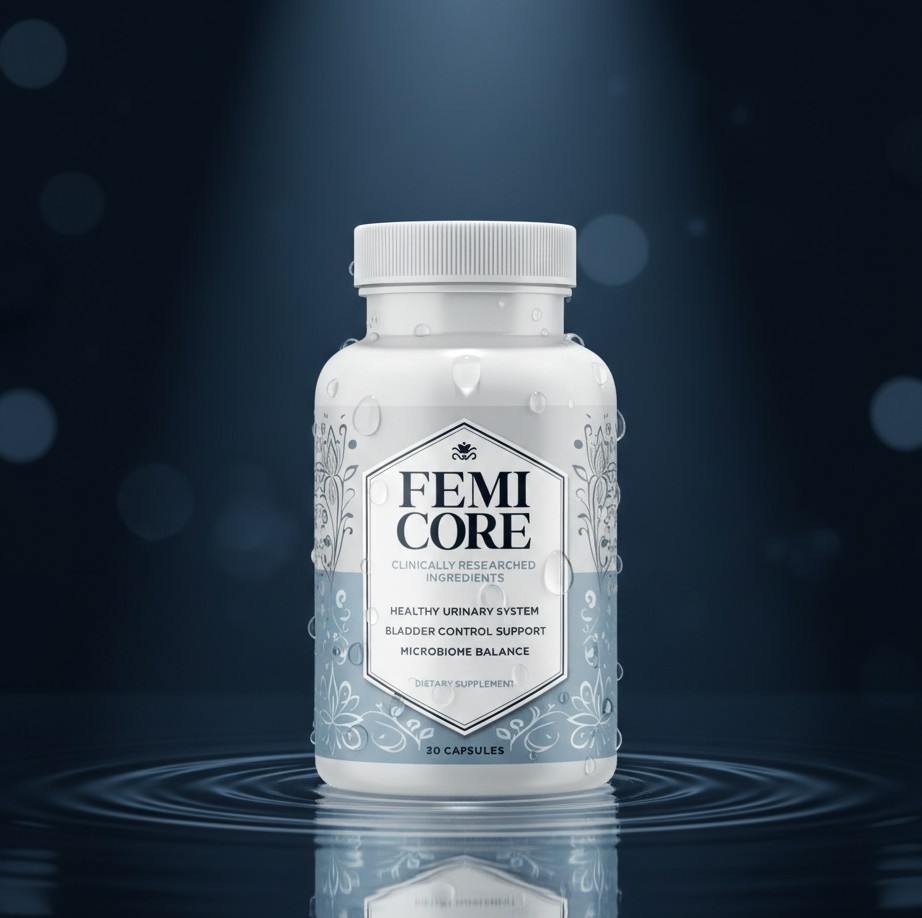
Realistic Expectation for Results
The 2023 Cochrane systematic review on cranberry for UTI prevention is the most comprehensive analysis available — 50 randomized controlled trials, 8,857 participants. It found cranberry products reduced UTI risk by approximately 26% overall, with stronger effects in women with recurrent UTIs (Williams G et al., Cochrane Database Syst. Rev., 2023; doi: 10.1002/14651858.CD001321.pub6). A 2024 meta-analysis in Frontiers in Nutrition found products containing at least 36 mg of PACs daily showed the most consistent preventive effects (Li Y et al., Front. Nutr., 2024; doi: 10.3389/fnut.2024.1346894). The mechanism: PACs prevent uropathogenic E. coli from adhering to urinary-tract walls — no adhesion, no infection. The five Lactobacillus strains (L. crispatus, L. acidophilus, L. plantarum, L. gasseri, L. casei) target the urinary microbiome directly. A 2023 review in Microorganisms confirmed that L. crispatus and L. gasseri are the strains with the most documented evidence for urogenital microbiome protection (Reid G et al., Microorganisms, 2023; doi: 10.3390/microorganisms11020316). The idea: a Lactobacillus-dominant urinary environment makes it harder for pathogens to establish. Berberine has documented antimicrobial and anti-inflammatory properties with activity against UTI-associated bacteria in lab settings, but human clinical trial data for UTI prevention specifically is limited. Vitamin C supports urinary acidification, making the environment less hospitable to pathogens. The key honest point: these ingredients are credible individually, but this exact combined formula has not been independently studied as a whole, so treat the blend as reasonable rather than clinically proven.The 2023 Cochrane systematic review on cranberry for UTI prevention is the most comprehensive analysis available — 50 randomized controlled trials, 8,857 participants. It found cranberry products reduced UTI risk by approximately 26% overall, with stronger effects in women with recurrent UTIs (Williams G et al., Cochrane Database Syst. Rev., 2023; doi: 10.1002/14651858.CD001321.pub6). A 2024 meta-analysis in Frontiers in Nutrition found products containing at least 36 mg of PACs daily showed the most consistent preventive effects (Li Y et al., Front. Nutr., 2024; doi: 10.3389/fnut.2024.1346894). The mechanism: PACs prevent uropathogenic E. coli from adhering to urinary-tract walls — no adhesion, no infection. The five Lactobacillus strains (L. crispatus, L. acidophilus, L. plantarum, L. gasseri, L. casei) target the urinary microbiome directly. A 2023 review in Microorganisms confirmed that L. crispatus and L. gasseri are the strains with the most documented evidence for urogenital microbiome protection (Reid G et al., Microorganisms, 2023; doi: 10.3390/microorganisms11020316). The idea: a Lactobacillus-dominant urinary environment makes it harder for pathogens to establish. Berberine has documented antimicrobial and anti-inflammatory properties with activity against UTI-associated bacteria in lab settings, but human clinical trial data for UTI prevention specifically is limited. Vitamin C supports urinary acidification, making the environment less hospitable to pathogens. The key honest point: these ingredients are credible individually, but this exact combined formula has not been independently studied as a whole, so treat the blend as reasonable rather than clinically proven.The 2023 Cochrane systematic review on cranberry for UTI prevention is the most comprehensive analysis available — 50 randomized controlled trials, 8,857 participants. It found cranberry products reduced UTI risk by approximately 26% overall, with stronger effects in women with recurrent UTIs (Williams G et al., Cochrane Database Syst. Rev., 2023; doi: 10.1002/14651858.CD001321.pub6). A 2024 meta-analysis in Frontiers in Nutrition found products containing at least 36 mg of PACs daily showed the most consistent preventive effects (Li Y et al., Front. Nutr., 2024; doi: 10.3389/fnut.2024.1346894). The mechanism: PACs prevent uropathogenic E. coli from adhering to urinary-tract walls — no adhesion, no infection. The five Lactobacillus strains (L. crispatus, L. acidophilus, L. plantarum, L. gasseri, L. casei) target the urinary microbiome directly. A 2023 review in Microorganisms confirmed that L. crispatus and L. gasseri are the strains with the most documented evidence for urogenital microbiome protection (Reid G et al., Microorganisms, 2023; doi: 10.3390/microorganisms11020316). The idea: a Lactobacillus-dominant urinary environment makes it harder for pathogens to establish. Berberine has documented antimicrobial and anti-inflammatory properties with activity against UTI-associated bacteria in lab settings, but human clinical trial data for UTI prevention specifically is limited. Vitamin C supports urinary acidification, making the environment less hospitable to pathogens. The key honest point: these ingredients are credible individually, but this exact combined formula has not been independently studied as a whole, so treat the blend as reasonable rather than clinically proven.The 2023 Cochrane systematic review on cranberry for UTI prevention is the most comprehensive analysis available — 50 randomized controlled trials, 8,857 participants. It found cranberry products reduced UTI risk by approximately 26% overall, with stronger effects in women with recurrent UTIs (Williams G et al., Cochrane Database Syst. Rev., 2023; doi: 10.1002/14651858.CD001321.pub6). A 2024 meta-analysis in Frontiers in Nutrition found products containing at least 36 mg of PACs daily showed the most consistent preventive effects (Li Y et al., Front. Nutr., 2024; doi: 10.3389/fnut.2024.1346894). The mechanism: PACs prevent uropathogenic E. coli from adhering to urinary-tract walls — no adhesion, no infection. The five Lactobacillus strains (L. crispatus, L. acidophilus, L. plantarum, L. gasseri, L. casei) target the urinary microbiome directly. A 2023 review in Microorganisms confirmed that L. crispatus and L. gasseri are the strains with the most documented evidence for urogenital microbiome protection (Reid G et al., Microorganisms, 2023; doi: 10.3390/microorganisms11020316). The idea: a Lactobacillus-dominant urinary environment makes it harder for pathogens to establish. Berberine has documented antimicrobial and anti-inflammatory properties with activity against UTI-associated bacteria in lab settings, but human clinical trial data for UTI prevention specifically is limited. Vitamin C supports urinary acidification, making the environment less hospitable to pathogens. The key honest point: these ingredients are credible individually, but this exact combined formula has not been independently studied as a whole, so treat the blend as reasonable rather than clinically proven.Because probiotics work gradually and depend on your personal biology, give the formula at least 4-8 weeks of consistent use before judging it. According to researchers studying probiotics, meaningful changes typically unfold over weeks rather than days. Some women notice reduced urgency or better comfort after a month; others notice little. Both are normal — and it is exactly why the 60-day guarantee exists. If it is not right for you, you can get a full refund within the guarantee period, and no subscription obligates you to continue.
The 2023 Cochrane systematic review on cranberry for UTI prevention is the most comprehensive analysis available — 50 randomized controlled trials, 8,857 participants. It found cranberry products reduced UTI risk by approximately 26% overall, with stronger effects in women with recurrent UTIs (Williams G et al., Cochrane Database Syst. Rev., 2023; doi: 10.1002/14651858.CD001321.pub6). A 2024 meta-analysis in Frontiers in Nutrition found products containing at least 36 mg of PACs daily showed the most consistent preventive effects (Li Y et al., Front. Nutr., 2024; doi: 10.3389/fnut.2024.1346894). The mechanism: PACs prevent uropathogenic E. coli from adhering to urinary-tract walls — no adhesion, no infection. The five Lactobacillus strains (L. crispatus, L. acidophilus, L. plantarum, L. gasseri, L. casei) target the urinary microbiome directly. A 2023 review in Microorganisms confirmed that L. crispatus and L. gasseri are the strains with the most documented evidence for urogenital microbiome protection (Reid G et al., Microorganisms, 2023; doi: 10.3390/microorganisms11020316). The idea: a Lactobacillus-dominant urinary environment makes it harder for pathogens to establish. Berberine has documented antimicrobial and anti-inflammatory properties with activity against UTI-associated bacteria in lab settings, but human clinical trial data for UTI prevention specifically is limited. Vitamin C supports urinary acidification, making the environment less hospitable to pathogens. The key honest point: these ingredients are credible individually, but this exact combined formula has not been independently studied as a whole, so treat the blend as reasonable rather than clinically proven.The 2023 Cochrane systematic review on cranberry for UTI prevention is the most comprehensive analysis available — 50 randomized controlled trials, 8,857 participants. It found cranberry products reduced UTI risk by approximately 26% overall, with stronger effects in women with recurrent UTIs (Williams G et al., Cochrane Database Syst. Rev., 2023; doi: 10.1002/14651858.CD001321.pub6). A 2024 meta-analysis in Frontiers in Nutrition found products containing at least 36 mg of PACs daily showed the most consistent preventive effects (Li Y et al., Front. Nutr., 2024; doi: 10.3389/fnut.2024.1346894). The mechanism: PACs prevent uropathogenic E. coli from adhering to urinary-tract walls — no adhesion, no infection. The five Lactobacillus strains (L. crispatus, L. acidophilus, L. plantarum, L. gasseri, L. casei) target the urinary microbiome directly. A 2023 review in Microorganisms confirmed that L. crispatus and L. gasseri are the strains with the most documented evidence for urogenital microbiome protection (Reid G et al., Microorganisms, 2023; doi: 10.3390/microorganisms11020316). The idea: a Lactobacillus-dominant urinary environment makes it harder for pathogens to establish. Berberine has documented antimicrobial and anti-inflammatory properties with activity against UTI-associated bacteria in lab settings, but human clinical trial data for UTI prevention specifically is limited. Vitamin C supports urinary acidification, making the environment less hospitable to pathogens. The key honest point: these ingredients are credible individually, but this exact combined formula has not been independently studied as a whole, so treat the blend as reasonable rather than clinically proven.The 2023 Cochrane systematic review on cranberry for UTI prevention is the most comprehensive analysis available — 50 randomized controlled trials, 8,857 participants. It found cranberry products reduced UTI risk by approximately 26% overall, with stronger effects in women with recurrent UTIs (Williams G et al., Cochrane Database Syst. Rev., 2023; doi: 10.1002/14651858.CD001321.pub6). A 2024 meta-analysis in Frontiers in Nutrition found products containing at least 36 mg of PACs daily showed the most consistent preventive effects (Li Y et al., Front. Nutr., 2024; doi: 10.3389/fnut.2024.1346894). The mechanism: PACs prevent uropathogenic E. coli from adhering to urinary-tract walls — no adhesion, no infection. The five Lactobacillus strains (L. crispatus, L. acidophilus, L. plantarum, L. gasseri, L. casei) target the urinary microbiome directly. A 2023 review in Microorganisms confirmed that L. crispatus and L. gasseri are the strains with the most documented evidence for urogenital microbiome protection (Reid G et al., Microorganisms, 2023; doi: 10.3390/microorganisms11020316). The idea: a Lactobacillus-dominant urinary environment makes it harder for pathogens to establish. Berberine has documented antimicrobial and anti-inflammatory properties with activity against UTI-associated bacteria in lab settings, but human clinical trial data for UTI prevention specifically is limited. Vitamin C supports urinary acidification, making the environment less hospitable to pathogens. The key honest point: these ingredients are credible individually, but this exact combined formula has not been independently studied as a whole, so treat the blend as reasonable rather than clinically proven.The 2023 Cochrane systematic review on cranberry for UTI prevention is the most comprehensive analysis available — 50 randomized controlled trials, 8,857 participants. It found cranberry products reduced UTI risk by approximately 26% overall, with stronger effects in women with recurrent UTIs (Williams G et al., Cochrane Database Syst. Rev., 2023; doi: 10.1002/14651858.CD001321.pub6). A 2024 meta-analysis in Frontiers in Nutrition found products containing at least 36 mg of PACs daily showed the most consistent preventive effects (Li Y et al., Front. Nutr., 2024; doi: 10.3389/fnut.2024.1346894). The mechanism: PACs prevent uropathogenic E. coli from adhering to urinary-tract walls — no adhesion, no infection. The five Lactobacillus strains (L. crispatus, L. acidophilus, L. plantarum, L. gasseri, L. casei) target the urinary microbiome directly. A 2023 review in Microorganisms confirmed that L. crispatus and L. gasseri are the strains with the most documented evidence for urogenital microbiome protection (Reid G et al., Microorganisms, 2023; doi: 10.3390/microorganisms11020316). The idea: a Lactobacillus-dominant urinary environment makes it harder for pathogens to establish. Berberine has documented antimicrobial and anti-inflammatory properties with activity against UTI-associated bacteria in lab settings, but human clinical trial data for UTI prevention specifically is limited. Vitamin C supports urinary acidification, making the environment less hospitable to pathogens. The key honest point: these ingredients are credible individually, but this exact combined formula has not been independently studied as a whole, so treat the blend as reasonable rather than clinically proven.Related FemiCore reading: Is FemiCore Worth It? · Side Effects · Best Bladder Supplements 2026
The 2023 Cochrane systematic review on cranberry for UTI prevention is the most comprehensive analysis available — 50 randomized controlled trials, 8,857 participants. It found cranberry products reduced UTI risk by approximately 26% overall, with stronger effects in women with recurrent UTIs (Williams G et al., Cochrane Database Syst. Rev., 2023; doi: 10.1002/14651858.CD001321.pub6). A 2024 meta-analysis in Frontiers in Nutrition found products containing at least 36 mg of PACs daily showed the most consistent preventive effects (Li Y et al., Front. Nutr., 2024; doi: 10.3389/fnut.2024.1346894). The mechanism: PACs prevent uropathogenic E. coli from adhering to urinary-tract walls — no adhesion, no infection. The five Lactobacillus strains (L. crispatus, L. acidophilus, L. plantarum, L. gasseri, L. casei) target the urinary microbiome directly. A 2023 review in Microorganisms confirmed that L. crispatus and L. gasseri are the strains with the most documented evidence for urogenital microbiome protection (Reid G et al., Microorganisms, 2023; doi: 10.3390/microorganisms11020316). The idea: a Lactobacillus-dominant urinary environment makes it harder for pathogens to establish. Berberine has documented antimicrobial and anti-inflammatory properties with activity against UTI-associated bacteria in lab settings, but human clinical trial data for UTI prevention specifically is limited. Vitamin C supports urinary acidification, making the environment less hospitable to pathogens. The key honest point: these ingredients are credible individually, but this exact combined formula has not been independently studied as a whole, so treat the blend as reasonable rather than clinically proven.The 2023 Cochrane systematic review on cranberry for UTI prevention is the most comprehensive analysis available — 50 randomized controlled trials, 8,857 participants. It found cranberry products reduced UTI risk by approximately 26% overall, with stronger effects in women with recurrent UTIs (Williams G et al., Cochrane Database Syst. Rev., 2023; doi: 10.1002/14651858.CD001321.pub6). A 2024 meta-analysis in Frontiers in Nutrition found products containing at least 36 mg of PACs daily showed the most consistent preventive effects (Li Y et al., Front. Nutr., 2024; doi: 10.3389/fnut.2024.1346894). The mechanism: PACs prevent uropathogenic E. coli from adhering to urinary-tract walls — no adhesion, no infection. The five Lactobacillus strains (L. crispatus, L. acidophilus, L. plantarum, L. gasseri, L. casei) target the urinary microbiome directly. A 2023 review in Microorganisms confirmed that L. crispatus and L. gasseri are the strains with the most documented evidence for urogenital microbiome protection (Reid G et al., Microorganisms, 2023; doi: 10.3390/microorganisms11020316). The idea: a Lactobacillus-dominant urinary environment makes it harder for pathogens to establish. Berberine has documented antimicrobial and anti-inflammatory properties with activity against UTI-associated bacteria in lab settings, but human clinical trial data for UTI prevention specifically is limited. Vitamin C supports urinary acidification, making the environment less hospitable to pathogens. The key honest point: these ingredients are credible individually, but this exact combined formula has not been independently studied as a whole, so treat the blend as reasonable rather than clinically proven.The 2023 Cochrane systematic review on cranberry for UTI prevention is the most comprehensive analysis available — 50 randomized controlled trials, 8,857 participants. It found cranberry products reduced UTI risk by approximately 26% overall, with stronger effects in women with recurrent UTIs (Williams G et al., Cochrane Database Syst. Rev., 2023; doi: 10.1002/14651858.CD001321.pub6). A 2024 meta-analysis in Frontiers in Nutrition found products containing at least 36 mg of PACs daily showed the most consistent preventive effects (Li Y et al., Front. Nutr., 2024; doi: 10.3389/fnut.2024.1346894). The mechanism: PACs prevent uropathogenic E. coli from adhering to urinary-tract walls — no adhesion, no infection. The five Lactobacillus strains (L. crispatus, L. acidophilus, L. plantarum, L. gasseri, L. casei) target the urinary microbiome directly. A 2023 review in Microorganisms confirmed that L. crispatus and L. gasseri are the strains with the most documented evidence for urogenital microbiome protection (Reid G et al., Microorganisms, 2023; doi: 10.3390/microorganisms11020316). The idea: a Lactobacillus-dominant urinary environment makes it harder for pathogens to establish. Berberine has documented antimicrobial and anti-inflammatory properties with activity against UTI-associated bacteria in lab settings, but human clinical trial data for UTI prevention specifically is limited. Vitamin C supports urinary acidification, making the environment less hospitable to pathogens. The key honest point: these ingredients are credible individually, but this exact combined formula has not been independently studied as a whole, so treat the blend as reasonable rather than clinically proven.The 2023 Cochrane systematic review on cranberry for UTI prevention is the most comprehensive analysis available — 50 randomized controlled trials, 8,857 participants. It found cranberry products reduced UTI risk by approximately 26% overall, with stronger effects in women with recurrent UTIs (Williams G et al., Cochrane Database Syst. Rev., 2023; doi: 10.1002/14651858.CD001321.pub6). A 2024 meta-analysis in Frontiers in Nutrition found products containing at least 36 mg of PACs daily showed the most consistent preventive effects (Li Y et al., Front. Nutr., 2024; doi: 10.3389/fnut.2024.1346894). The mechanism: PACs prevent uropathogenic E. coli from adhering to urinary-tract walls — no adhesion, no infection. The five Lactobacillus strains (L. crispatus, L. acidophilus, L. plantarum, L. gasseri, L. casei) target the urinary microbiome directly. A 2023 review in Microorganisms confirmed that L. crispatus and L. gasseri are the strains with the most documented evidence for urogenital microbiome protection (Reid G et al., Microorganisms, 2023; doi: 10.3390/microorganisms11020316). The idea: a Lactobacillus-dominant urinary environment makes it harder for pathogens to establish. Berberine has documented antimicrobial and anti-inflammatory properties with activity against UTI-associated bacteria in lab settings, but human clinical trial data for UTI prevention specifically is limited. Vitamin C supports urinary acidification, making the environment less hospitable to pathogens. The key honest point: these ingredients are credible individually, but this exact combined formula has not been independently studied as a whole, so treat the blend as reasonable rather than clinically proven.Frequently Asked Questions
The 2023 Cochrane systematic review on cranberry for UTI prevention is the most comprehensive analysis available — 50 randomized controlled trials, 8,857 participants. It found cranberry products reduced UTI risk by approximately 26% overall, with stronger effects in women with recurrent UTIs (Williams G et al., Cochrane Database Syst. Rev., 2023; doi: 10.1002/14651858.CD001321.pub6). A 2024 meta-analysis in Frontiers in Nutrition found products containing at least 36 mg of PACs daily showed the most consistent preventive effects (Li Y et al., Front. Nutr., 2024; doi: 10.3389/fnut.2024.1346894). The mechanism: PACs prevent uropathogenic E. coli from adhering to urinary-tract walls — no adhesion, no infection. The five Lactobacillus strains (L. crispatus, L. acidophilus, L. plantarum, L. gasseri, L. casei) target the urinary microbiome directly. A 2023 review in Microorganisms confirmed that L. crispatus and L. gasseri are the strains with the most documented evidence for urogenital microbiome protection (Reid G et al., Microorganisms, 2023; doi: 10.3390/microorganisms11020316). The idea: a Lactobacillus-dominant urinary environment makes it harder for pathogens to establish. Berberine has documented antimicrobial and anti-inflammatory properties with activity against UTI-associated bacteria in lab settings, but human clinical trial data for UTI prevention specifically is limited. Vitamin C supports urinary acidification, making the environment less hospitable to pathogens. The key honest point: these ingredients are credible individually, but this exact combined formula has not been independently studied as a whole, so treat the blend as reasonable rather than clinically proven.The 2023 Cochrane systematic review on cranberry for UTI prevention is the most comprehensive analysis available — 50 randomized controlled trials, 8,857 participants. It found cranberry products reduced UTI risk by approximately 26% overall, with stronger effects in women with recurrent UTIs (Williams G et al., Cochrane Database Syst. Rev., 2023; doi: 10.1002/14651858.CD001321.pub6). A 2024 meta-analysis in Frontiers in Nutrition found products containing at least 36 mg of PACs daily showed the most consistent preventive effects (Li Y et al., Front. Nutr., 2024; doi: 10.3389/fnut.2024.1346894). The mechanism: PACs prevent uropathogenic E. coli from adhering to urinary-tract walls — no adhesion, no infection. The five Lactobacillus strains (L. crispatus, L. acidophilus, L. plantarum, L. gasseri, L. casei) target the urinary microbiome directly. A 2023 review in Microorganisms confirmed that L. crispatus and L. gasseri are the strains with the most documented evidence for urogenital microbiome protection (Reid G et al., Microorganisms, 2023; doi: 10.3390/microorganisms11020316). The idea: a Lactobacillus-dominant urinary environment makes it harder for pathogens to establish. Berberine has documented antimicrobial and anti-inflammatory properties with activity against UTI-associated bacteria in lab settings, but human clinical trial data for UTI prevention specifically is limited. Vitamin C supports urinary acidification, making the environment less hospitable to pathogens. The key honest point: these ingredients are credible individually, but this exact combined formula has not been independently studied as a whole, so treat the blend as reasonable rather than clinically proven.The 2023 Cochrane systematic review on cranberry for UTI prevention is the most comprehensive analysis available — 50 randomized controlled trials, 8,857 participants. It found cranberry products reduced UTI risk by approximately 26% overall, with stronger effects in women with recurrent UTIs (Williams G et al., Cochrane Database Syst. Rev., 2023; doi: 10.1002/14651858.CD001321.pub6). A 2024 meta-analysis in Frontiers in Nutrition found products containing at least 36 mg of PACs daily showed the most consistent preventive effects (Li Y et al., Front. Nutr., 2024; doi: 10.3389/fnut.2024.1346894). The mechanism: PACs prevent uropathogenic E. coli from adhering to urinary-tract walls — no adhesion, no infection. The five Lactobacillus strains (L. crispatus, L. acidophilus, L. plantarum, L. gasseri, L. casei) target the urinary microbiome directly. A 2023 review in Microorganisms confirmed that L. crispatus and L. gasseri are the strains with the most documented evidence for urogenital microbiome protection (Reid G et al., Microorganisms, 2023; doi: 10.3390/microorganisms11020316). The idea: a Lactobacillus-dominant urinary environment makes it harder for pathogens to establish. Berberine has documented antimicrobial and anti-inflammatory properties with activity against UTI-associated bacteria in lab settings, but human clinical trial data for UTI prevention specifically is limited. Vitamin C supports urinary acidification, making the environment less hospitable to pathogens. The key honest point: these ingredients are credible individually, but this exact combined formula has not been independently studied as a whole, so treat the blend as reasonable rather than clinically proven.The 2023 Cochrane systematic review on cranberry for UTI prevention is the most comprehensive analysis available — 50 randomized controlled trials, 8,857 participants. It found cranberry products reduced UTI risk by approximately 26% overall, with stronger effects in women with recurrent UTIs (Williams G et al., Cochrane Database Syst. Rev., 2023; doi: 10.1002/14651858.CD001321.pub6). A 2024 meta-analysis in Frontiers in Nutrition found products containing at least 36 mg of PACs daily showed the most consistent preventive effects (Li Y et al., Front. Nutr., 2024; doi: 10.3389/fnut.2024.1346894). The mechanism: PACs prevent uropathogenic E. coli from adhering to urinary-tract walls — no adhesion, no infection. The five Lactobacillus strains (L. crispatus, L. acidophilus, L. plantarum, L. gasseri, L. casei) target the urinary microbiome directly. A 2023 review in Microorganisms confirmed that L. crispatus and L. gasseri are the strains with the most documented evidence for urogenital microbiome protection (Reid G et al., Microorganisms, 2023; doi: 10.3390/microorganisms11020316). The idea: a Lactobacillus-dominant urinary environment makes it harder for pathogens to establish. Berberine has documented antimicrobial and anti-inflammatory properties with activity against UTI-associated bacteria in lab settings, but human clinical trial data for UTI prevention specifically is limited. Vitamin C supports urinary acidification, making the environment less hospitable to pathogens. The key honest point: these ingredients are credible individually, but this exact combined formula has not been independently studied as a whole, so treat the blend as reasonable rather than clinically proven.How many ingredients are in FemiCore?
The 2023 Cochrane systematic review on cranberry for UTI prevention is the most comprehensive analysis available — 50 randomized controlled trials, 8,857 participants. It found cranberry products reduced UTI risk by approximately 26% overall, with stronger effects in women with recurrent UTIs (Williams G et al., Cochrane Database Syst. Rev., 2023; doi: 10.1002/14651858.CD001321.pub6). A 2024 meta-analysis in Frontiers in Nutrition found products containing at least 36 mg of PACs daily showed the most consistent preventive effects (Li Y et al., Front. Nutr., 2024; doi: 10.3389/fnut.2024.1346894). The mechanism: PACs prevent uropathogenic E. coli from adhering to urinary-tract walls — no adhesion, no infection. The five Lactobacillus strains (L. crispatus, L. acidophilus, L. plantarum, L. gasseri, L. casei) target the urinary microbiome directly. A 2023 review in Microorganisms confirmed that L. crispatus and L. gasseri are the strains with the most documented evidence for urogenital microbiome protection (Reid G et al., Microorganisms, 2023; doi: 10.3390/microorganisms11020316). The idea: a Lactobacillus-dominant urinary environment makes it harder for pathogens to establish. Berberine has documented antimicrobial and anti-inflammatory properties with activity against UTI-associated bacteria in lab settings, but human clinical trial data for UTI prevention specifically is limited. Vitamin C supports urinary acidification, making the environment less hospitable to pathogens. The key honest point: these ingredients are credible individually, but this exact combined formula has not been independently studied as a whole, so treat the blend as reasonable rather than clinically proven.The 2023 Cochrane systematic review on cranberry for UTI prevention is the most comprehensive analysis available — 50 randomized controlled trials, 8,857 participants. It found cranberry products reduced UTI risk by approximately 26% overall, with stronger effects in women with recurrent UTIs (Williams G et al., Cochrane Database Syst. Rev., 2023; doi: 10.1002/14651858.CD001321.pub6). A 2024 meta-analysis in Frontiers in Nutrition found products containing at least 36 mg of PACs daily showed the most consistent preventive effects (Li Y et al., Front. Nutr., 2024; doi: 10.3389/fnut.2024.1346894). The mechanism: PACs prevent uropathogenic E. coli from adhering to urinary-tract walls — no adhesion, no infection. The five Lactobacillus strains (L. crispatus, L. acidophilus, L. plantarum, L. gasseri, L. casei) target the urinary microbiome directly. A 2023 review in Microorganisms confirmed that L. crispatus and L. gasseri are the strains with the most documented evidence for urogenital microbiome protection (Reid G et al., Microorganisms, 2023; doi: 10.3390/microorganisms11020316). The idea: a Lactobacillus-dominant urinary environment makes it harder for pathogens to establish. Berberine has documented antimicrobial and anti-inflammatory properties with activity against UTI-associated bacteria in lab settings, but human clinical trial data for UTI prevention specifically is limited. Vitamin C supports urinary acidification, making the environment less hospitable to pathogens. The key honest point: these ingredients are credible individually, but this exact combined formula has not been independently studied as a whole, so treat the blend as reasonable rather than clinically proven.The 2023 Cochrane systematic review on cranberry for UTI prevention is the most comprehensive analysis available — 50 randomized controlled trials, 8,857 participants. It found cranberry products reduced UTI risk by approximately 26% overall, with stronger effects in women with recurrent UTIs (Williams G et al., Cochrane Database Syst. Rev., 2023; doi: 10.1002/14651858.CD001321.pub6). A 2024 meta-analysis in Frontiers in Nutrition found products containing at least 36 mg of PACs daily showed the most consistent preventive effects (Li Y et al., Front. Nutr., 2024; doi: 10.3389/fnut.2024.1346894). The mechanism: PACs prevent uropathogenic E. coli from adhering to urinary-tract walls — no adhesion, no infection. The five Lactobacillus strains (L. crispatus, L. acidophilus, L. plantarum, L. gasseri, L. casei) target the urinary microbiome directly. A 2023 review in Microorganisms confirmed that L. crispatus and L. gasseri are the strains with the most documented evidence for urogenital microbiome protection (Reid G et al., Microorganisms, 2023; doi: 10.3390/microorganisms11020316). The idea: a Lactobacillus-dominant urinary environment makes it harder for pathogens to establish. Berberine has documented antimicrobial and anti-inflammatory properties with activity against UTI-associated bacteria in lab settings, but human clinical trial data for UTI prevention specifically is limited. Vitamin C supports urinary acidification, making the environment less hospitable to pathogens. The key honest point: these ingredients are credible individually, but this exact combined formula has not been independently studied as a whole, so treat the blend as reasonable rather than clinically proven.Nine named ingredients — four botanical/compound (Mimosa Pudica, Bearberry, Cranberry, Berberine) and five probiotic strains.
The 2023 Cochrane systematic review on cranberry for UTI prevention is the most comprehensive analysis available — 50 randomized controlled trials, 8,857 participants. It found cranberry products reduced UTI risk by approximately 26% overall, with stronger effects in women with recurrent UTIs (Williams G et al., Cochrane Database Syst. Rev., 2023; doi: 10.1002/14651858.CD001321.pub6). A 2024 meta-analysis in Frontiers in Nutrition found products containing at least 36 mg of PACs daily showed the most consistent preventive effects (Li Y et al., Front. Nutr., 2024; doi: 10.3389/fnut.2024.1346894). The mechanism: PACs prevent uropathogenic E. coli from adhering to urinary-tract walls — no adhesion, no infection. The five Lactobacillus strains (L. crispatus, L. acidophilus, L. plantarum, L. gasseri, L. casei) target the urinary microbiome directly. A 2023 review in Microorganisms confirmed that L. crispatus and L. gasseri are the strains with the most documented evidence for urogenital microbiome protection (Reid G et al., Microorganisms, 2023; doi: 10.3390/microorganisms11020316). The idea: a Lactobacillus-dominant urinary environment makes it harder for pathogens to establish. Berberine has documented antimicrobial and anti-inflammatory properties with activity against UTI-associated bacteria in lab settings, but human clinical trial data for UTI prevention specifically is limited. Vitamin C supports urinary acidification, making the environment less hospitable to pathogens. The key honest point: these ingredients are credible individually, but this exact combined formula has not been independently studied as a whole, so treat the blend as reasonable rather than clinically proven.The 2023 Cochrane systematic review on cranberry for UTI prevention is the most comprehensive analysis available — 50 randomized controlled trials, 8,857 participants. It found cranberry products reduced UTI risk by approximately 26% overall, with stronger effects in women with recurrent UTIs (Williams G et al., Cochrane Database Syst. Rev., 2023; doi: 10.1002/14651858.CD001321.pub6). A 2024 meta-analysis in Frontiers in Nutrition found products containing at least 36 mg of PACs daily showed the most consistent preventive effects (Li Y et al., Front. Nutr., 2024; doi: 10.3389/fnut.2024.1346894). The mechanism: PACs prevent uropathogenic E. coli from adhering to urinary-tract walls — no adhesion, no infection. The five Lactobacillus strains (L. crispatus, L. acidophilus, L. plantarum, L. gasseri, L. casei) target the urinary microbiome directly. A 2023 review in Microorganisms confirmed that L. crispatus and L. gasseri are the strains with the most documented evidence for urogenital microbiome protection (Reid G et al., Microorganisms, 2023; doi: 10.3390/microorganisms11020316). The idea: a Lactobacillus-dominant urinary environment makes it harder for pathogens to establish. Berberine has documented antimicrobial and anti-inflammatory properties with activity against UTI-associated bacteria in lab settings, but human clinical trial data for UTI prevention specifically is limited. Vitamin C supports urinary acidification, making the environment less hospitable to pathogens. The key honest point: these ingredients are credible individually, but this exact combined formula has not been independently studied as a whole, so treat the blend as reasonable rather than clinically proven.The 2023 Cochrane systematic review on cranberry for UTI prevention is the most comprehensive analysis available — 50 randomized controlled trials, 8,857 participants. It found cranberry products reduced UTI risk by approximately 26% overall, with stronger effects in women with recurrent UTIs (Williams G et al., Cochrane Database Syst. Rev., 2023; doi: 10.1002/14651858.CD001321.pub6). A 2024 meta-analysis in Frontiers in Nutrition found products containing at least 36 mg of PACs daily showed the most consistent preventive effects (Li Y et al., Front. Nutr., 2024; doi: 10.3389/fnut.2024.1346894). The mechanism: PACs prevent uropathogenic E. coli from adhering to urinary-tract walls — no adhesion, no infection. The five Lactobacillus strains (L. crispatus, L. acidophilus, L. plantarum, L. gasseri, L. casei) target the urinary microbiome directly. A 2023 review in Microorganisms confirmed that L. crispatus and L. gasseri are the strains with the most documented evidence for urogenital microbiome protection (Reid G et al., Microorganisms, 2023; doi: 10.3390/microorganisms11020316). The idea: a Lactobacillus-dominant urinary environment makes it harder for pathogens to establish. Berberine has documented antimicrobial and anti-inflammatory properties with activity against UTI-associated bacteria in lab settings, but human clinical trial data for UTI prevention specifically is limited. Vitamin C supports urinary acidification, making the environment less hospitable to pathogens. The key honest point: these ingredients are credible individually, but this exact combined formula has not been independently studied as a whole, so treat the blend as reasonable rather than clinically proven.The 2023 Cochrane systematic review on cranberry for UTI prevention is the most comprehensive analysis available — 50 randomized controlled trials, 8,857 participants. It found cranberry products reduced UTI risk by approximately 26% overall, with stronger effects in women with recurrent UTIs (Williams G et al., Cochrane Database Syst. Rev., 2023; doi: 10.1002/14651858.CD001321.pub6). A 2024 meta-analysis in Frontiers in Nutrition found products containing at least 36 mg of PACs daily showed the most consistent preventive effects (Li Y et al., Front. Nutr., 2024; doi: 10.3389/fnut.2024.1346894). The mechanism: PACs prevent uropathogenic E. coli from adhering to urinary-tract walls — no adhesion, no infection. The five Lactobacillus strains (L. crispatus, L. acidophilus, L. plantarum, L. gasseri, L. casei) target the urinary microbiome directly. A 2023 review in Microorganisms confirmed that L. crispatus and L. gasseri are the strains with the most documented evidence for urogenital microbiome protection (Reid G et al., Microorganisms, 2023; doi: 10.3390/microorganisms11020316). The idea: a Lactobacillus-dominant urinary environment makes it harder for pathogens to establish. Berberine has documented antimicrobial and anti-inflammatory properties with activity against UTI-associated bacteria in lab settings, but human clinical trial data for UTI prevention specifically is limited. Vitamin C supports urinary acidification, making the environment less hospitable to pathogens. The key honest point: these ingredients are credible individually, but this exact combined formula has not been independently studied as a whole, so treat the blend as reasonable rather than clinically proven.Does FemiCore contain hormones or stimulants?
The 2023 Cochrane systematic review on cranberry for UTI prevention is the most comprehensive analysis available — 50 randomized controlled trials, 8,857 participants. It found cranberry products reduced UTI risk by approximately 26% overall, with stronger effects in women with recurrent UTIs (Williams G et al., Cochrane Database Syst. Rev., 2023; doi: 10.1002/14651858.CD001321.pub6). A 2024 meta-analysis in Frontiers in Nutrition found products containing at least 36 mg of PACs daily showed the most consistent preventive effects (Li Y et al., Front. Nutr., 2024; doi: 10.3389/fnut.2024.1346894). The mechanism: PACs prevent uropathogenic E. coli from adhering to urinary-tract walls — no adhesion, no infection. The five Lactobacillus strains (L. crispatus, L. acidophilus, L. plantarum, L. gasseri, L. casei) target the urinary microbiome directly. A 2023 review in Microorganisms confirmed that L. crispatus and L. gasseri are the strains with the most documented evidence for urogenital microbiome protection (Reid G et al., Microorganisms, 2023; doi: 10.3390/microorganisms11020316). The idea: a Lactobacillus-dominant urinary environment makes it harder for pathogens to establish. Berberine has documented antimicrobial and anti-inflammatory properties with activity against UTI-associated bacteria in lab settings, but human clinical trial data for UTI prevention specifically is limited. Vitamin C supports urinary acidification, making the environment less hospitable to pathogens. The key honest point: these ingredients are credible individually, but this exact combined formula has not been independently studied as a whole, so treat the blend as reasonable rather than clinically proven.The 2023 Cochrane systematic review on cranberry for UTI prevention is the most comprehensive analysis available — 50 randomized controlled trials, 8,857 participants. It found cranberry products reduced UTI risk by approximately 26% overall, with stronger effects in women with recurrent UTIs (Williams G et al., Cochrane Database Syst. Rev., 2023; doi: 10.1002/14651858.CD001321.pub6). A 2024 meta-analysis in Frontiers in Nutrition found products containing at least 36 mg of PACs daily showed the most consistent preventive effects (Li Y et al., Front. Nutr., 2024; doi: 10.3389/fnut.2024.1346894). The mechanism: PACs prevent uropathogenic E. coli from adhering to urinary-tract walls — no adhesion, no infection. The five Lactobacillus strains (L. crispatus, L. acidophilus, L. plantarum, L. gasseri, L. casei) target the urinary microbiome directly. A 2023 review in Microorganisms confirmed that L. crispatus and L. gasseri are the strains with the most documented evidence for urogenital microbiome protection (Reid G et al., Microorganisms, 2023; doi: 10.3390/microorganisms11020316). The idea: a Lactobacillus-dominant urinary environment makes it harder for pathogens to establish. Berberine has documented antimicrobial and anti-inflammatory properties with activity against UTI-associated bacteria in lab settings, but human clinical trial data for UTI prevention specifically is limited. Vitamin C supports urinary acidification, making the environment less hospitable to pathogens. The key honest point: these ingredients are credible individually, but this exact combined formula has not been independently studied as a whole, so treat the blend as reasonable rather than clinically proven.The 2023 Cochrane systematic review on cranberry for UTI prevention is the most comprehensive analysis available — 50 randomized controlled trials, 8,857 participants. It found cranberry products reduced UTI risk by approximately 26% overall, with stronger effects in women with recurrent UTIs (Williams G et al., Cochrane Database Syst. Rev., 2023; doi: 10.1002/14651858.CD001321.pub6). A 2024 meta-analysis in Frontiers in Nutrition found products containing at least 36 mg of PACs daily showed the most consistent preventive effects (Li Y et al., Front. Nutr., 2024; doi: 10.3389/fnut.2024.1346894). The mechanism: PACs prevent uropathogenic E. coli from adhering to urinary-tract walls — no adhesion, no infection. The five Lactobacillus strains (L. crispatus, L. acidophilus, L. plantarum, L. gasseri, L. casei) target the urinary microbiome directly. A 2023 review in Microorganisms confirmed that L. crispatus and L. gasseri are the strains with the most documented evidence for urogenital microbiome protection (Reid G et al., Microorganisms, 2023; doi: 10.3390/microorganisms11020316). The idea: a Lactobacillus-dominant urinary environment makes it harder for pathogens to establish. Berberine has documented antimicrobial and anti-inflammatory properties with activity against UTI-associated bacteria in lab settings, but human clinical trial data for UTI prevention specifically is limited. Vitamin C supports urinary acidification, making the environment less hospitable to pathogens. The key honest point: these ingredients are credible individually, but this exact combined formula has not been independently studied as a whole, so treat the blend as reasonable rather than clinically proven.No hormones or stimulants are disclosed in the standard formula; it is a herbal-plus-probiotic blend.
The 2023 Cochrane systematic review on cranberry for UTI prevention is the most comprehensive analysis available — 50 randomized controlled trials, 8,857 participants. It found cranberry products reduced UTI risk by approximately 26% overall, with stronger effects in women with recurrent UTIs (Williams G et al., Cochrane Database Syst. Rev., 2023; doi: 10.1002/14651858.CD001321.pub6). A 2024 meta-analysis in Frontiers in Nutrition found products containing at least 36 mg of PACs daily showed the most consistent preventive effects (Li Y et al., Front. Nutr., 2024; doi: 10.3389/fnut.2024.1346894). The mechanism: PACs prevent uropathogenic E. coli from adhering to urinary-tract walls — no adhesion, no infection. The five Lactobacillus strains (L. crispatus, L. acidophilus, L. plantarum, L. gasseri, L. casei) target the urinary microbiome directly. A 2023 review in Microorganisms confirmed that L. crispatus and L. gasseri are the strains with the most documented evidence for urogenital microbiome protection (Reid G et al., Microorganisms, 2023; doi: 10.3390/microorganisms11020316). The idea: a Lactobacillus-dominant urinary environment makes it harder for pathogens to establish. Berberine has documented antimicrobial and anti-inflammatory properties with activity against UTI-associated bacteria in lab settings, but human clinical trial data for UTI prevention specifically is limited. Vitamin C supports urinary acidification, making the environment less hospitable to pathogens. The key honest point: these ingredients are credible individually, but this exact combined formula has not been independently studied as a whole, so treat the blend as reasonable rather than clinically proven.The 2023 Cochrane systematic review on cranberry for UTI prevention is the most comprehensive analysis available — 50 randomized controlled trials, 8,857 participants. It found cranberry products reduced UTI risk by approximately 26% overall, with stronger effects in women with recurrent UTIs (Williams G et al., Cochrane Database Syst. Rev., 2023; doi: 10.1002/14651858.CD001321.pub6). A 2024 meta-analysis in Frontiers in Nutrition found products containing at least 36 mg of PACs daily showed the most consistent preventive effects (Li Y et al., Front. Nutr., 2024; doi: 10.3389/fnut.2024.1346894). The mechanism: PACs prevent uropathogenic E. coli from adhering to urinary-tract walls — no adhesion, no infection. The five Lactobacillus strains (L. crispatus, L. acidophilus, L. plantarum, L. gasseri, L. casei) target the urinary microbiome directly. A 2023 review in Microorganisms confirmed that L. crispatus and L. gasseri are the strains with the most documented evidence for urogenital microbiome protection (Reid G et al., Microorganisms, 2023; doi: 10.3390/microorganisms11020316). The idea: a Lactobacillus-dominant urinary environment makes it harder for pathogens to establish. Berberine has documented antimicrobial and anti-inflammatory properties with activity against UTI-associated bacteria in lab settings, but human clinical trial data for UTI prevention specifically is limited. Vitamin C supports urinary acidification, making the environment less hospitable to pathogens. The key honest point: these ingredients are credible individually, but this exact combined formula has not been independently studied as a whole, so treat the blend as reasonable rather than clinically proven.The 2023 Cochrane systematic review on cranberry for UTI prevention is the most comprehensive analysis available — 50 randomized controlled trials, 8,857 participants. It found cranberry products reduced UTI risk by approximately 26% overall, with stronger effects in women with recurrent UTIs (Williams G et al., Cochrane Database Syst. Rev., 2023; doi: 10.1002/14651858.CD001321.pub6). A 2024 meta-analysis in Frontiers in Nutrition found products containing at least 36 mg of PACs daily showed the most consistent preventive effects (Li Y et al., Front. Nutr., 2024; doi: 10.3389/fnut.2024.1346894). The mechanism: PACs prevent uropathogenic E. coli from adhering to urinary-tract walls — no adhesion, no infection. The five Lactobacillus strains (L. crispatus, L. acidophilus, L. plantarum, L. gasseri, L. casei) target the urinary microbiome directly. A 2023 review in Microorganisms confirmed that L. crispatus and L. gasseri are the strains with the most documented evidence for urogenital microbiome protection (Reid G et al., Microorganisms, 2023; doi: 10.3390/microorganisms11020316). The idea: a Lactobacillus-dominant urinary environment makes it harder for pathogens to establish. Berberine has documented antimicrobial and anti-inflammatory properties with activity against UTI-associated bacteria in lab settings, but human clinical trial data for UTI prevention specifically is limited. Vitamin C supports urinary acidification, making the environment less hospitable to pathogens. The key honest point: these ingredients are credible individually, but this exact combined formula has not been independently studied as a whole, so treat the blend as reasonable rather than clinically proven.The 2023 Cochrane systematic review on cranberry for UTI prevention is the most comprehensive analysis available — 50 randomized controlled trials, 8,857 participants. It found cranberry products reduced UTI risk by approximately 26% overall, with stronger effects in women with recurrent UTIs (Williams G et al., Cochrane Database Syst. Rev., 2023; doi: 10.1002/14651858.CD001321.pub6). A 2024 meta-analysis in Frontiers in Nutrition found products containing at least 36 mg of PACs daily showed the most consistent preventive effects (Li Y et al., Front. Nutr., 2024; doi: 10.3389/fnut.2024.1346894). The mechanism: PACs prevent uropathogenic E. coli from adhering to urinary-tract walls — no adhesion, no infection. The five Lactobacillus strains (L. crispatus, L. acidophilus, L. plantarum, L. gasseri, L. casei) target the urinary microbiome directly. A 2023 review in Microorganisms confirmed that L. crispatus and L. gasseri are the strains with the most documented evidence for urogenital microbiome protection (Reid G et al., Microorganisms, 2023; doi: 10.3390/microorganisms11020316). The idea: a Lactobacillus-dominant urinary environment makes it harder for pathogens to establish. Berberine has documented antimicrobial and anti-inflammatory properties with activity against UTI-associated bacteria in lab settings, but human clinical trial data for UTI prevention specifically is limited. Vitamin C supports urinary acidification, making the environment less hospitable to pathogens. The key honest point: these ingredients are credible individually, but this exact combined formula has not been independently studied as a whole, so treat the blend as reasonable rather than clinically proven.Is cranberry the main active ingredient?
The 2023 Cochrane systematic review on cranberry for UTI prevention is the most comprehensive analysis available — 50 randomized controlled trials, 8,857 participants. It found cranberry products reduced UTI risk by approximately 26% overall, with stronger effects in women with recurrent UTIs (Williams G et al., Cochrane Database Syst. Rev., 2023; doi: 10.1002/14651858.CD001321.pub6). A 2024 meta-analysis in Frontiers in Nutrition found products containing at least 36 mg of PACs daily showed the most consistent preventive effects (Li Y et al., Front. Nutr., 2024; doi: 10.3389/fnut.2024.1346894). The mechanism: PACs prevent uropathogenic E. coli from adhering to urinary-tract walls — no adhesion, no infection. The five Lactobacillus strains (L. crispatus, L. acidophilus, L. plantarum, L. gasseri, L. casei) target the urinary microbiome directly. A 2023 review in Microorganisms confirmed that L. crispatus and L. gasseri are the strains with the most documented evidence for urogenital microbiome protection (Reid G et al., Microorganisms, 2023; doi: 10.3390/microorganisms11020316). The idea: a Lactobacillus-dominant urinary environment makes it harder for pathogens to establish. Berberine has documented antimicrobial and anti-inflammatory properties with activity against UTI-associated bacteria in lab settings, but human clinical trial data for UTI prevention specifically is limited. Vitamin C supports urinary acidification, making the environment less hospitable to pathogens. The key honest point: these ingredients are credible individually, but this exact combined formula has not been independently studied as a whole, so treat the blend as reasonable rather than clinically proven.The 2023 Cochrane systematic review on cranberry for UTI prevention is the most comprehensive analysis available — 50 randomized controlled trials, 8,857 participants. It found cranberry products reduced UTI risk by approximately 26% overall, with stronger effects in women with recurrent UTIs (Williams G et al., Cochrane Database Syst. Rev., 2023; doi: 10.1002/14651858.CD001321.pub6). A 2024 meta-analysis in Frontiers in Nutrition found products containing at least 36 mg of PACs daily showed the most consistent preventive effects (Li Y et al., Front. Nutr., 2024; doi: 10.3389/fnut.2024.1346894). The mechanism: PACs prevent uropathogenic E. coli from adhering to urinary-tract walls — no adhesion, no infection. The five Lactobacillus strains (L. crispatus, L. acidophilus, L. plantarum, L. gasseri, L. casei) target the urinary microbiome directly. A 2023 review in Microorganisms confirmed that L. crispatus and L. gasseri are the strains with the most documented evidence for urogenital microbiome protection (Reid G et al., Microorganisms, 2023; doi: 10.3390/microorganisms11020316). The idea: a Lactobacillus-dominant urinary environment makes it harder for pathogens to establish. Berberine has documented antimicrobial and anti-inflammatory properties with activity against UTI-associated bacteria in lab settings, but human clinical trial data for UTI prevention specifically is limited. Vitamin C supports urinary acidification, making the environment less hospitable to pathogens. The key honest point: these ingredients are credible individually, but this exact combined formula has not been independently studied as a whole, so treat the blend as reasonable rather than clinically proven.The 2023 Cochrane systematic review on cranberry for UTI prevention is the most comprehensive analysis available — 50 randomized controlled trials, 8,857 participants. It found cranberry products reduced UTI risk by approximately 26% overall, with stronger effects in women with recurrent UTIs (Williams G et al., Cochrane Database Syst. Rev., 2023; doi: 10.1002/14651858.CD001321.pub6). A 2024 meta-analysis in Frontiers in Nutrition found products containing at least 36 mg of PACs daily showed the most consistent preventive effects (Li Y et al., Front. Nutr., 2024; doi: 10.3389/fnut.2024.1346894). The mechanism: PACs prevent uropathogenic E. coli from adhering to urinary-tract walls — no adhesion, no infection. The five Lactobacillus strains (L. crispatus, L. acidophilus, L. plantarum, L. gasseri, L. casei) target the urinary microbiome directly. A 2023 review in Microorganisms confirmed that L. crispatus and L. gasseri are the strains with the most documented evidence for urogenital microbiome protection (Reid G et al., Microorganisms, 2023; doi: 10.3390/microorganisms11020316). The idea: a Lactobacillus-dominant urinary environment makes it harder for pathogens to establish. Berberine has documented antimicrobial and anti-inflammatory properties with activity against UTI-associated bacteria in lab settings, but human clinical trial data for UTI prevention specifically is limited. Vitamin C supports urinary acidification, making the environment less hospitable to pathogens. The key honest point: these ingredients are credible individually, but this exact combined formula has not been independently studied as a whole, so treat the blend as reasonable rather than clinically proven.Cranberry is the most-studied urinary ingredient in the blend, but FemiCore pairs it with botanicals and probiotics rather than relying on one ingredient.
The 2023 Cochrane systematic review on cranberry for UTI prevention is the most comprehensive analysis available — 50 randomized controlled trials, 8,857 participants. It found cranberry products reduced UTI risk by approximately 26% overall, with stronger effects in women with recurrent UTIs (Williams G et al., Cochrane Database Syst. Rev., 2023; doi: 10.1002/14651858.CD001321.pub6). A 2024 meta-analysis in Frontiers in Nutrition found products containing at least 36 mg of PACs daily showed the most consistent preventive effects (Li Y et al., Front. Nutr., 2024; doi: 10.3389/fnut.2024.1346894). The mechanism: PACs prevent uropathogenic E. coli from adhering to urinary-tract walls — no adhesion, no infection. The five Lactobacillus strains (L. crispatus, L. acidophilus, L. plantarum, L. gasseri, L. casei) target the urinary microbiome directly. A 2023 review in Microorganisms confirmed that L. crispatus and L. gasseri are the strains with the most documented evidence for urogenital microbiome protection (Reid G et al., Microorganisms, 2023; doi: 10.3390/microorganisms11020316). The idea: a Lactobacillus-dominant urinary environment makes it harder for pathogens to establish. Berberine has documented antimicrobial and anti-inflammatory properties with activity against UTI-associated bacteria in lab settings, but human clinical trial data for UTI prevention specifically is limited. Vitamin C supports urinary acidification, making the environment less hospitable to pathogens. The key honest point: these ingredients are credible individually, but this exact combined formula has not been independently studied as a whole, so treat the blend as reasonable rather than clinically proven.The 2023 Cochrane systematic review on cranberry for UTI prevention is the most comprehensive analysis available — 50 randomized controlled trials, 8,857 participants. It found cranberry products reduced UTI risk by approximately 26% overall, with stronger effects in women with recurrent UTIs (Williams G et al., Cochrane Database Syst. Rev., 2023; doi: 10.1002/14651858.CD001321.pub6). A 2024 meta-analysis in Frontiers in Nutrition found products containing at least 36 mg of PACs daily showed the most consistent preventive effects (Li Y et al., Front. Nutr., 2024; doi: 10.3389/fnut.2024.1346894). The mechanism: PACs prevent uropathogenic E. coli from adhering to urinary-tract walls — no adhesion, no infection. The five Lactobacillus strains (L. crispatus, L. acidophilus, L. plantarum, L. gasseri, L. casei) target the urinary microbiome directly. A 2023 review in Microorganisms confirmed that L. crispatus and L. gasseri are the strains with the most documented evidence for urogenital microbiome protection (Reid G et al., Microorganisms, 2023; doi: 10.3390/microorganisms11020316). The idea: a Lactobacillus-dominant urinary environment makes it harder for pathogens to establish. Berberine has documented antimicrobial and anti-inflammatory properties with activity against UTI-associated bacteria in lab settings, but human clinical trial data for UTI prevention specifically is limited. Vitamin C supports urinary acidification, making the environment less hospitable to pathogens. The key honest point: these ingredients are credible individually, but this exact combined formula has not been independently studied as a whole, so treat the blend as reasonable rather than clinically proven.The 2023 Cochrane systematic review on cranberry for UTI prevention is the most comprehensive analysis available — 50 randomized controlled trials, 8,857 participants. It found cranberry products reduced UTI risk by approximately 26% overall, with stronger effects in women with recurrent UTIs (Williams G et al., Cochrane Database Syst. Rev., 2023; doi: 10.1002/14651858.CD001321.pub6). A 2024 meta-analysis in Frontiers in Nutrition found products containing at least 36 mg of PACs daily showed the most consistent preventive effects (Li Y et al., Front. Nutr., 2024; doi: 10.3389/fnut.2024.1346894). The mechanism: PACs prevent uropathogenic E. coli from adhering to urinary-tract walls — no adhesion, no infection. The five Lactobacillus strains (L. crispatus, L. acidophilus, L. plantarum, L. gasseri, L. casei) target the urinary microbiome directly. A 2023 review in Microorganisms confirmed that L. crispatus and L. gasseri are the strains with the most documented evidence for urogenital microbiome protection (Reid G et al., Microorganisms, 2023; doi: 10.3390/microorganisms11020316). The idea: a Lactobacillus-dominant urinary environment makes it harder for pathogens to establish. Berberine has documented antimicrobial and anti-inflammatory properties with activity against UTI-associated bacteria in lab settings, but human clinical trial data for UTI prevention specifically is limited. Vitamin C supports urinary acidification, making the environment less hospitable to pathogens. The key honest point: these ingredients are credible individually, but this exact combined formula has not been independently studied as a whole, so treat the blend as reasonable rather than clinically proven.The 2023 Cochrane systematic review on cranberry for UTI prevention is the most comprehensive analysis available — 50 randomized controlled trials, 8,857 participants. It found cranberry products reduced UTI risk by approximately 26% overall, with stronger effects in women with recurrent UTIs (Williams G et al., Cochrane Database Syst. Rev., 2023; doi: 10.1002/14651858.CD001321.pub6). A 2024 meta-analysis in Frontiers in Nutrition found products containing at least 36 mg of PACs daily showed the most consistent preventive effects (Li Y et al., Front. Nutr., 2024; doi: 10.3389/fnut.2024.1346894). The mechanism: PACs prevent uropathogenic E. coli from adhering to urinary-tract walls — no adhesion, no infection. The five Lactobacillus strains (L. crispatus, L. acidophilus, L. plantarum, L. gasseri, L. casei) target the urinary microbiome directly. A 2023 review in Microorganisms confirmed that L. crispatus and L. gasseri are the strains with the most documented evidence for urogenital microbiome protection (Reid G et al., Microorganisms, 2023; doi: 10.3390/microorganisms11020316). The idea: a Lactobacillus-dominant urinary environment makes it harder for pathogens to establish. Berberine has documented antimicrobial and anti-inflammatory properties with activity against UTI-associated bacteria in lab settings, but human clinical trial data for UTI prevention specifically is limited. Vitamin C supports urinary acidification, making the environment less hospitable to pathogens. The key honest point: these ingredients are credible individually, but this exact combined formula has not been independently studied as a whole, so treat the blend as reasonable rather than clinically proven.Are the probiotics in FemiCore safe daily?
The 2023 Cochrane systematic review on cranberry for UTI prevention is the most comprehensive analysis available — 50 randomized controlled trials, 8,857 participants. It found cranberry products reduced UTI risk by approximately 26% overall, with stronger effects in women with recurrent UTIs (Williams G et al., Cochrane Database Syst. Rev., 2023; doi: 10.1002/14651858.CD001321.pub6). A 2024 meta-analysis in Frontiers in Nutrition found products containing at least 36 mg of PACs daily showed the most consistent preventive effects (Li Y et al., Front. Nutr., 2024; doi: 10.3389/fnut.2024.1346894). The mechanism: PACs prevent uropathogenic E. coli from adhering to urinary-tract walls — no adhesion, no infection. The five Lactobacillus strains (L. crispatus, L. acidophilus, L. plantarum, L. gasseri, L. casei) target the urinary microbiome directly. A 2023 review in Microorganisms confirmed that L. crispatus and L. gasseri are the strains with the most documented evidence for urogenital microbiome protection (Reid G et al., Microorganisms, 2023; doi: 10.3390/microorganisms11020316). The idea: a Lactobacillus-dominant urinary environment makes it harder for pathogens to establish. Berberine has documented antimicrobial and anti-inflammatory properties with activity against UTI-associated bacteria in lab settings, but human clinical trial data for UTI prevention specifically is limited. Vitamin C supports urinary acidification, making the environment less hospitable to pathogens. The key honest point: these ingredients are credible individually, but this exact combined formula has not been independently studied as a whole, so treat the blend as reasonable rather than clinically proven.The 2023 Cochrane systematic review on cranberry for UTI prevention is the most comprehensive analysis available — 50 randomized controlled trials, 8,857 participants. It found cranberry products reduced UTI risk by approximately 26% overall, with stronger effects in women with recurrent UTIs (Williams G et al., Cochrane Database Syst. Rev., 2023; doi: 10.1002/14651858.CD001321.pub6). A 2024 meta-analysis in Frontiers in Nutrition found products containing at least 36 mg of PACs daily showed the most consistent preventive effects (Li Y et al., Front. Nutr., 2024; doi: 10.3389/fnut.2024.1346894). The mechanism: PACs prevent uropathogenic E. coli from adhering to urinary-tract walls — no adhesion, no infection. The five Lactobacillus strains (L. crispatus, L. acidophilus, L. plantarum, L. gasseri, L. casei) target the urinary microbiome directly. A 2023 review in Microorganisms confirmed that L. crispatus and L. gasseri are the strains with the most documented evidence for urogenital microbiome protection (Reid G et al., Microorganisms, 2023; doi: 10.3390/microorganisms11020316). The idea: a Lactobacillus-dominant urinary environment makes it harder for pathogens to establish. Berberine has documented antimicrobial and anti-inflammatory properties with activity against UTI-associated bacteria in lab settings, but human clinical trial data for UTI prevention specifically is limited. Vitamin C supports urinary acidification, making the environment less hospitable to pathogens. The key honest point: these ingredients are credible individually, but this exact combined formula has not been independently studied as a whole, so treat the blend as reasonable rather than clinically proven.The 2023 Cochrane systematic review on cranberry for UTI prevention is the most comprehensive analysis available — 50 randomized controlled trials, 8,857 participants. It found cranberry products reduced UTI risk by approximately 26% overall, with stronger effects in women with recurrent UTIs (Williams G et al., Cochrane Database Syst. Rev., 2023; doi: 10.1002/14651858.CD001321.pub6). A 2024 meta-analysis in Frontiers in Nutrition found products containing at least 36 mg of PACs daily showed the most consistent preventive effects (Li Y et al., Front. Nutr., 2024; doi: 10.3389/fnut.2024.1346894). The mechanism: PACs prevent uropathogenic E. coli from adhering to urinary-tract walls — no adhesion, no infection. The five Lactobacillus strains (L. crispatus, L. acidophilus, L. plantarum, L. gasseri, L. casei) target the urinary microbiome directly. A 2023 review in Microorganisms confirmed that L. crispatus and L. gasseri are the strains with the most documented evidence for urogenital microbiome protection (Reid G et al., Microorganisms, 2023; doi: 10.3390/microorganisms11020316). The idea: a Lactobacillus-dominant urinary environment makes it harder for pathogens to establish. Berberine has documented antimicrobial and anti-inflammatory properties with activity against UTI-associated bacteria in lab settings, but human clinical trial data for UTI prevention specifically is limited. Vitamin C supports urinary acidification, making the environment less hospitable to pathogens. The key honest point: these ingredients are credible individually, but this exact combined formula has not been independently studied as a whole, so treat the blend as reasonable rather than clinically proven.In healthy adults, daily lactobacilli probiotics are considered safe by the NIH; sensitive people may notice mild gas or digestive adjustment in the first days.
The 2023 Cochrane systematic review on cranberry for UTI prevention is the most comprehensive analysis available — 50 randomized controlled trials, 8,857 participants. It found cranberry products reduced UTI risk by approximately 26% overall, with stronger effects in women with recurrent UTIs (Williams G et al., Cochrane Database Syst. Rev., 2023; doi: 10.1002/14651858.CD001321.pub6). A 2024 meta-analysis in Frontiers in Nutrition found products containing at least 36 mg of PACs daily showed the most consistent preventive effects (Li Y et al., Front. Nutr., 2024; doi: 10.3389/fnut.2024.1346894). The mechanism: PACs prevent uropathogenic E. coli from adhering to urinary-tract walls — no adhesion, no infection. The five Lactobacillus strains (L. crispatus, L. acidophilus, L. plantarum, L. gasseri, L. casei) target the urinary microbiome directly. A 2023 review in Microorganisms confirmed that L. crispatus and L. gasseri are the strains with the most documented evidence for urogenital microbiome protection (Reid G et al., Microorganisms, 2023; doi: 10.3390/microorganisms11020316). The idea: a Lactobacillus-dominant urinary environment makes it harder for pathogens to establish. Berberine has documented antimicrobial and anti-inflammatory properties with activity against UTI-associated bacteria in lab settings, but human clinical trial data for UTI prevention specifically is limited. Vitamin C supports urinary acidification, making the environment less hospitable to pathogens. The key honest point: these ingredients are credible individually, but this exact combined formula has not been independently studied as a whole, so treat the blend as reasonable rather than clinically proven.The 2023 Cochrane systematic review on cranberry for UTI prevention is the most comprehensive analysis available — 50 randomized controlled trials, 8,857 participants. It found cranberry products reduced UTI risk by approximately 26% overall, with stronger effects in women with recurrent UTIs (Williams G et al., Cochrane Database Syst. Rev., 2023; doi: 10.1002/14651858.CD001321.pub6). A 2024 meta-analysis in Frontiers in Nutrition found products containing at least 36 mg of PACs daily showed the most consistent preventive effects (Li Y et al., Front. Nutr., 2024; doi: 10.3389/fnut.2024.1346894). The mechanism: PACs prevent uropathogenic E. coli from adhering to urinary-tract walls — no adhesion, no infection. The five Lactobacillus strains (L. crispatus, L. acidophilus, L. plantarum, L. gasseri, L. casei) target the urinary microbiome directly. A 2023 review in Microorganisms confirmed that L. crispatus and L. gasseri are the strains with the most documented evidence for urogenital microbiome protection (Reid G et al., Microorganisms, 2023; doi: 10.3390/microorganisms11020316). The idea: a Lactobacillus-dominant urinary environment makes it harder for pathogens to establish. Berberine has documented antimicrobial and anti-inflammatory properties with activity against UTI-associated bacteria in lab settings, but human clinical trial data for UTI prevention specifically is limited. Vitamin C supports urinary acidification, making the environment less hospitable to pathogens. The key honest point: these ingredients are credible individually, but this exact combined formula has not been independently studied as a whole, so treat the blend as reasonable rather than clinically proven.The 2023 Cochrane systematic review on cranberry for UTI prevention is the most comprehensive analysis available — 50 randomized controlled trials, 8,857 participants. It found cranberry products reduced UTI risk by approximately 26% overall, with stronger effects in women with recurrent UTIs (Williams G et al., Cochrane Database Syst. Rev., 2023; doi: 10.1002/14651858.CD001321.pub6). A 2024 meta-analysis in Frontiers in Nutrition found products containing at least 36 mg of PACs daily showed the most consistent preventive effects (Li Y et al., Front. Nutr., 2024; doi: 10.3389/fnut.2024.1346894). The mechanism: PACs prevent uropathogenic E. coli from adhering to urinary-tract walls — no adhesion, no infection. The five Lactobacillus strains (L. crispatus, L. acidophilus, L. plantarum, L. gasseri, L. casei) target the urinary microbiome directly. A 2023 review in Microorganisms confirmed that L. crispatus and L. gasseri are the strains with the most documented evidence for urogenital microbiome protection (Reid G et al., Microorganisms, 2023; doi: 10.3390/microorganisms11020316). The idea: a Lactobacillus-dominant urinary environment makes it harder for pathogens to establish. Berberine has documented antimicrobial and anti-inflammatory properties with activity against UTI-associated bacteria in lab settings, but human clinical trial data for UTI prevention specifically is limited. Vitamin C supports urinary acidification, making the environment less hospitable to pathogens. The key honest point: these ingredients are credible individually, but this exact combined formula has not been independently studied as a whole, so treat the blend as reasonable rather than clinically proven.The 2023 Cochrane systematic review on cranberry for UTI prevention is the most comprehensive analysis available — 50 randomized controlled trials, 8,857 participants. It found cranberry products reduced UTI risk by approximately 26% overall, with stronger effects in women with recurrent UTIs (Williams G et al., Cochrane Database Syst. Rev., 2023; doi: 10.1002/14651858.CD001321.pub6). A 2024 meta-analysis in Frontiers in Nutrition found products containing at least 36 mg of PACs daily showed the most consistent preventive effects (Li Y et al., Front. Nutr., 2024; doi: 10.3389/fnut.2024.1346894). The mechanism: PACs prevent uropathogenic E. coli from adhering to urinary-tract walls — no adhesion, no infection. The five Lactobacillus strains (L. crispatus, L. acidophilus, L. plantarum, L. gasseri, L. casei) target the urinary microbiome directly. A 2023 review in Microorganisms confirmed that L. crispatus and L. gasseri are the strains with the most documented evidence for urogenital microbiome protection (Reid G et al., Microorganisms, 2023; doi: 10.3390/microorganisms11020316). The idea: a Lactobacillus-dominant urinary environment makes it harder for pathogens to establish. Berberine has documented antimicrobial and anti-inflammatory properties with activity against UTI-associated bacteria in lab settings, but human clinical trial data for UTI prevention specifically is limited. Vitamin C supports urinary acidification, making the environment less hospitable to pathogens. The key honest point: these ingredients are credible individually, but this exact combined formula has not been independently studied as a whole, so treat the blend as reasonable rather than clinically proven.Why does FemiCore list berberine?
The 2023 Cochrane systematic review on cranberry for UTI prevention is the most comprehensive analysis available — 50 randomized controlled trials, 8,857 participants. It found cranberry products reduced UTI risk by approximately 26% overall, with stronger effects in women with recurrent UTIs (Williams G et al., Cochrane Database Syst. Rev., 2023; doi: 10.1002/14651858.CD001321.pub6). A 2024 meta-analysis in Frontiers in Nutrition found products containing at least 36 mg of PACs daily showed the most consistent preventive effects (Li Y et al., Front. Nutr., 2024; doi: 10.3389/fnut.2024.1346894). The mechanism: PACs prevent uropathogenic E. coli from adhering to urinary-tract walls — no adhesion, no infection. The five Lactobacillus strains (L. crispatus, L. acidophilus, L. plantarum, L. gasseri, L. casei) target the urinary microbiome directly. A 2023 review in Microorganisms confirmed that L. crispatus and L. gasseri are the strains with the most documented evidence for urogenital microbiome protection (Reid G et al., Microorganisms, 2023; doi: 10.3390/microorganisms11020316). The idea: a Lactobacillus-dominant urinary environment makes it harder for pathogens to establish. Berberine has documented antimicrobial and anti-inflammatory properties with activity against UTI-associated bacteria in lab settings, but human clinical trial data for UTI prevention specifically is limited. Vitamin C supports urinary acidification, making the environment less hospitable to pathogens. The key honest point: these ingredients are credible individually, but this exact combined formula has not been independently studied as a whole, so treat the blend as reasonable rather than clinically proven.The 2023 Cochrane systematic review on cranberry for UTI prevention is the most comprehensive analysis available — 50 randomized controlled trials, 8,857 participants. It found cranberry products reduced UTI risk by approximately 26% overall, with stronger effects in women with recurrent UTIs (Williams G et al., Cochrane Database Syst. Rev., 2023; doi: 10.1002/14651858.CD001321.pub6). A 2024 meta-analysis in Frontiers in Nutrition found products containing at least 36 mg of PACs daily showed the most consistent preventive effects (Li Y et al., Front. Nutr., 2024; doi: 10.3389/fnut.2024.1346894). The mechanism: PACs prevent uropathogenic E. coli from adhering to urinary-tract walls — no adhesion, no infection. The five Lactobacillus strains (L. crispatus, L. acidophilus, L. plantarum, L. gasseri, L. casei) target the urinary microbiome directly. A 2023 review in Microorganisms confirmed that L. crispatus and L. gasseri are the strains with the most documented evidence for urogenital microbiome protection (Reid G et al., Microorganisms, 2023; doi: 10.3390/microorganisms11020316). The idea: a Lactobacillus-dominant urinary environment makes it harder for pathogens to establish. Berberine has documented antimicrobial and anti-inflammatory properties with activity against UTI-associated bacteria in lab settings, but human clinical trial data for UTI prevention specifically is limited. Vitamin C supports urinary acidification, making the environment less hospitable to pathogens. The key honest point: these ingredients are credible individually, but this exact combined formula has not been independently studied as a whole, so treat the blend as reasonable rather than clinically proven.The 2023 Cochrane systematic review on cranberry for UTI prevention is the most comprehensive analysis available — 50 randomized controlled trials, 8,857 participants. It found cranberry products reduced UTI risk by approximately 26% overall, with stronger effects in women with recurrent UTIs (Williams G et al., Cochrane Database Syst. Rev., 2023; doi: 10.1002/14651858.CD001321.pub6). A 2024 meta-analysis in Frontiers in Nutrition found products containing at least 36 mg of PACs daily showed the most consistent preventive effects (Li Y et al., Front. Nutr., 2024; doi: 10.3389/fnut.2024.1346894). The mechanism: PACs prevent uropathogenic E. coli from adhering to urinary-tract walls — no adhesion, no infection. The five Lactobacillus strains (L. crispatus, L. acidophilus, L. plantarum, L. gasseri, L. casei) target the urinary microbiome directly. A 2023 review in Microorganisms confirmed that L. crispatus and L. gasseri are the strains with the most documented evidence for urogenital microbiome protection (Reid G et al., Microorganisms, 2023; doi: 10.3390/microorganisms11020316). The idea: a Lactobacillus-dominant urinary environment makes it harder for pathogens to establish. Berberine has documented antimicrobial and anti-inflammatory properties with activity against UTI-associated bacteria in lab settings, but human clinical trial data for UTI prevention specifically is limited. Vitamin C supports urinary acidification, making the environment less hospitable to pathogens. The key honest point: these ingredients are credible individually, but this exact combined formula has not been independently studied as a whole, so treat the blend as reasonable rather than clinically proven.Berberine is included for its broad metabolic-support research rather than bladder function directly; its role is supporting the overall formula.
The 2023 Cochrane systematic review on cranberry for UTI prevention is the most comprehensive analysis available — 50 randomized controlled trials, 8,857 participants. It found cranberry products reduced UTI risk by approximately 26% overall, with stronger effects in women with recurrent UTIs (Williams G et al., Cochrane Database Syst. Rev., 2023; doi: 10.1002/14651858.CD001321.pub6). A 2024 meta-analysis in Frontiers in Nutrition found products containing at least 36 mg of PACs daily showed the most consistent preventive effects (Li Y et al., Front. Nutr., 2024; doi: 10.3389/fnut.2024.1346894). The mechanism: PACs prevent uropathogenic E. coli from adhering to urinary-tract walls — no adhesion, no infection. The five Lactobacillus strains (L. crispatus, L. acidophilus, L. plantarum, L. gasseri, L. casei) target the urinary microbiome directly. A 2023 review in Microorganisms confirmed that L. crispatus and L. gasseri are the strains with the most documented evidence for urogenital microbiome protection (Reid G et al., Microorganisms, 2023; doi: 10.3390/microorganisms11020316). The idea: a Lactobacillus-dominant urinary environment makes it harder for pathogens to establish. Berberine has documented antimicrobial and anti-inflammatory properties with activity against UTI-associated bacteria in lab settings, but human clinical trial data for UTI prevention specifically is limited. Vitamin C supports urinary acidification, making the environment less hospitable to pathogens. The key honest point: these ingredients are credible individually, but this exact combined formula has not been independently studied as a whole, so treat the blend as reasonable rather than clinically proven.The 2023 Cochrane systematic review on cranberry for UTI prevention is the most comprehensive analysis available — 50 randomized controlled trials, 8,857 participants. It found cranberry products reduced UTI risk by approximately 26% overall, with stronger effects in women with recurrent UTIs (Williams G et al., Cochrane Database Syst. Rev., 2023; doi: 10.1002/14651858.CD001321.pub6). A 2024 meta-analysis in Frontiers in Nutrition found products containing at least 36 mg of PACs daily showed the most consistent preventive effects (Li Y et al., Front. Nutr., 2024; doi: 10.3389/fnut.2024.1346894). The mechanism: PACs prevent uropathogenic E. coli from adhering to urinary-tract walls — no adhesion, no infection. The five Lactobacillus strains (L. crispatus, L. acidophilus, L. plantarum, L. gasseri, L. casei) target the urinary microbiome directly. A 2023 review in Microorganisms confirmed that L. crispatus and L. gasseri are the strains with the most documented evidence for urogenital microbiome protection (Reid G et al., Microorganisms, 2023; doi: 10.3390/microorganisms11020316). The idea: a Lactobacillus-dominant urinary environment makes it harder for pathogens to establish. Berberine has documented antimicrobial and anti-inflammatory properties with activity against UTI-associated bacteria in lab settings, but human clinical trial data for UTI prevention specifically is limited. Vitamin C supports urinary acidification, making the environment less hospitable to pathogens. The key honest point: these ingredients are credible individually, but this exact combined formula has not been independently studied as a whole, so treat the blend as reasonable rather than clinically proven.The 2023 Cochrane systematic review on cranberry for UTI prevention is the most comprehensive analysis available — 50 randomized controlled trials, 8,857 participants. It found cranberry products reduced UTI risk by approximately 26% overall, with stronger effects in women with recurrent UTIs (Williams G et al., Cochrane Database Syst. Rev., 2023; doi: 10.1002/14651858.CD001321.pub6). A 2024 meta-analysis in Frontiers in Nutrition found products containing at least 36 mg of PACs daily showed the most consistent preventive effects (Li Y et al., Front. Nutr., 2024; doi: 10.3389/fnut.2024.1346894). The mechanism: PACs prevent uropathogenic E. coli from adhering to urinary-tract walls — no adhesion, no infection. The five Lactobacillus strains (L. crispatus, L. acidophilus, L. plantarum, L. gasseri, L. casei) target the urinary microbiome directly. A 2023 review in Microorganisms confirmed that L. crispatus and L. gasseri are the strains with the most documented evidence for urogenital microbiome protection (Reid G et al., Microorganisms, 2023; doi: 10.3390/microorganisms11020316). The idea: a Lactobacillus-dominant urinary environment makes it harder for pathogens to establish. Berberine has documented antimicrobial and anti-inflammatory properties with activity against UTI-associated bacteria in lab settings, but human clinical trial data for UTI prevention specifically is limited. Vitamin C supports urinary acidification, making the environment less hospitable to pathogens. The key honest point: these ingredients are credible individually, but this exact combined formula has not been independently studied as a whole, so treat the blend as reasonable rather than clinically proven.The 2023 Cochrane systematic review on cranberry for UTI prevention is the most comprehensive analysis available — 50 randomized controlled trials, 8,857 participants. It found cranberry products reduced UTI risk by approximately 26% overall, with stronger effects in women with recurrent UTIs (Williams G et al., Cochrane Database Syst. Rev., 2023; doi: 10.1002/14651858.CD001321.pub6). A 2024 meta-analysis in Frontiers in Nutrition found products containing at least 36 mg of PACs daily showed the most consistent preventive effects (Li Y et al., Front. Nutr., 2024; doi: 10.3389/fnut.2024.1346894). The mechanism: PACs prevent uropathogenic E. coli from adhering to urinary-tract walls — no adhesion, no infection. The five Lactobacillus strains (L. crispatus, L. acidophilus, L. plantarum, L. gasseri, L. casei) target the urinary microbiome directly. A 2023 review in Microorganisms confirmed that L. crispatus and L. gasseri are the strains with the most documented evidence for urogenital microbiome protection (Reid G et al., Microorganisms, 2023; doi: 10.3390/microorganisms11020316). The idea: a Lactobacillus-dominant urinary environment makes it harder for pathogens to establish. Berberine has documented antimicrobial and anti-inflammatory properties with activity against UTI-associated bacteria in lab settings, but human clinical trial data for UTI prevention specifically is limited. Vitamin C supports urinary acidification, making the environment less hospitable to pathogens. The key honest point: these ingredients are credible individually, but this exact combined formula has not been independently studied as a whole, so treat the blend as reasonable rather than clinically proven.Should I check with my doctor first?
The 2023 Cochrane systematic review on cranberry for UTI prevention is the most comprehensive analysis available — 50 randomized controlled trials, 8,857 participants. It found cranberry products reduced UTI risk by approximately 26% overall, with stronger effects in women with recurrent UTIs (Williams G et al., Cochrane Database Syst. Rev., 2023; doi: 10.1002/14651858.CD001321.pub6). A 2024 meta-analysis in Frontiers in Nutrition found products containing at least 36 mg of PACs daily showed the most consistent preventive effects (Li Y et al., Front. Nutr., 2024; doi: 10.3389/fnut.2024.1346894). The mechanism: PACs prevent uropathogenic E. coli from adhering to urinary-tract walls — no adhesion, no infection. The five Lactobacillus strains (L. crispatus, L. acidophilus, L. plantarum, L. gasseri, L. casei) target the urinary microbiome directly. A 2023 review in Microorganisms confirmed that L. crispatus and L. gasseri are the strains with the most documented evidence for urogenital microbiome protection (Reid G et al., Microorganisms, 2023; doi: 10.3390/microorganisms11020316). The idea: a Lactobacillus-dominant urinary environment makes it harder for pathogens to establish. Berberine has documented antimicrobial and anti-inflammatory properties with activity against UTI-associated bacteria in lab settings, but human clinical trial data for UTI prevention specifically is limited. Vitamin C supports urinary acidification, making the environment less hospitable to pathogens. The key honest point: these ingredients are credible individually, but this exact combined formula has not been independently studied as a whole, so treat the blend as reasonable rather than clinically proven.The 2023 Cochrane systematic review on cranberry for UTI prevention is the most comprehensive analysis available — 50 randomized controlled trials, 8,857 participants. It found cranberry products reduced UTI risk by approximately 26% overall, with stronger effects in women with recurrent UTIs (Williams G et al., Cochrane Database Syst. Rev., 2023; doi: 10.1002/14651858.CD001321.pub6). A 2024 meta-analysis in Frontiers in Nutrition found products containing at least 36 mg of PACs daily showed the most consistent preventive effects (Li Y et al., Front. Nutr., 2024; doi: 10.3389/fnut.2024.1346894). The mechanism: PACs prevent uropathogenic E. coli from adhering to urinary-tract walls — no adhesion, no infection. The five Lactobacillus strains (L. crispatus, L. acidophilus, L. plantarum, L. gasseri, L. casei) target the urinary microbiome directly. A 2023 review in Microorganisms confirmed that L. crispatus and L. gasseri are the strains with the most documented evidence for urogenital microbiome protection (Reid G et al., Microorganisms, 2023; doi: 10.3390/microorganisms11020316). The idea: a Lactobacillus-dominant urinary environment makes it harder for pathogens to establish. Berberine has documented antimicrobial and anti-inflammatory properties with activity against UTI-associated bacteria in lab settings, but human clinical trial data for UTI prevention specifically is limited. Vitamin C supports urinary acidification, making the environment less hospitable to pathogens. The key honest point: these ingredients are credible individually, but this exact combined formula has not been independently studied as a whole, so treat the blend as reasonable rather than clinically proven.The 2023 Cochrane systematic review on cranberry for UTI prevention is the most comprehensive analysis available — 50 randomized controlled trials, 8,857 participants. It found cranberry products reduced UTI risk by approximately 26% overall, with stronger effects in women with recurrent UTIs (Williams G et al., Cochrane Database Syst. Rev., 2023; doi: 10.1002/14651858.CD001321.pub6). A 2024 meta-analysis in Frontiers in Nutrition found products containing at least 36 mg of PACs daily showed the most consistent preventive effects (Li Y et al., Front. Nutr., 2024; doi: 10.3389/fnut.2024.1346894). The mechanism: PACs prevent uropathogenic E. coli from adhering to urinary-tract walls — no adhesion, no infection. The five Lactobacillus strains (L. crispatus, L. acidophilus, L. plantarum, L. gasseri, L. casei) target the urinary microbiome directly. A 2023 review in Microorganisms confirmed that L. crispatus and L. gasseri are the strains with the most documented evidence for urogenital microbiome protection (Reid G et al., Microorganisms, 2023; doi: 10.3390/microorganisms11020316). The idea: a Lactobacillus-dominant urinary environment makes it harder for pathogens to establish. Berberine has documented antimicrobial and anti-inflammatory properties with activity against UTI-associated bacteria in lab settings, but human clinical trial data for UTI prevention specifically is limited. Vitamin C supports urinary acidification, making the environment less hospitable to pathogens. The key honest point: these ingredients are credible individually, but this exact combined formula has not been independently studied as a whole, so treat the blend as reasonable rather than clinically proven.Yes — especially if pregnant, breastfeeding, on medication, or managing a urinary/pelvic condition.
The 2023 Cochrane systematic review on cranberry for UTI prevention is the most comprehensive analysis available — 50 randomized controlled trials, 8,857 participants. It found cranberry products reduced UTI risk by approximately 26% overall, with stronger effects in women with recurrent UTIs (Williams G et al., Cochrane Database Syst. Rev., 2023; doi: 10.1002/14651858.CD001321.pub6). A 2024 meta-analysis in Frontiers in Nutrition found products containing at least 36 mg of PACs daily showed the most consistent preventive effects (Li Y et al., Front. Nutr., 2024; doi: 10.3389/fnut.2024.1346894). The mechanism: PACs prevent uropathogenic E. coli from adhering to urinary-tract walls — no adhesion, no infection. The five Lactobacillus strains (L. crispatus, L. acidophilus, L. plantarum, L. gasseri, L. casei) target the urinary microbiome directly. A 2023 review in Microorganisms confirmed that L. crispatus and L. gasseri are the strains with the most documented evidence for urogenital microbiome protection (Reid G et al., Microorganisms, 2023; doi: 10.3390/microorganisms11020316). The idea: a Lactobacillus-dominant urinary environment makes it harder for pathogens to establish. Berberine has documented antimicrobial and anti-inflammatory properties with activity against UTI-associated bacteria in lab settings, but human clinical trial data for UTI prevention specifically is limited. Vitamin C supports urinary acidification, making the environment less hospitable to pathogens. The key honest point: these ingredients are credible individually, but this exact combined formula has not been independently studied as a whole, so treat the blend as reasonable rather than clinically proven.The 2023 Cochrane systematic review on cranberry for UTI prevention is the most comprehensive analysis available — 50 randomized controlled trials, 8,857 participants. It found cranberry products reduced UTI risk by approximately 26% overall, with stronger effects in women with recurrent UTIs (Williams G et al., Cochrane Database Syst. Rev., 2023; doi: 10.1002/14651858.CD001321.pub6). A 2024 meta-analysis in Frontiers in Nutrition found products containing at least 36 mg of PACs daily showed the most consistent preventive effects (Li Y et al., Front. Nutr., 2024; doi: 10.3389/fnut.2024.1346894). The mechanism: PACs prevent uropathogenic E. coli from adhering to urinary-tract walls — no adhesion, no infection. The five Lactobacillus strains (L. crispatus, L. acidophilus, L. plantarum, L. gasseri, L. casei) target the urinary microbiome directly. A 2023 review in Microorganisms confirmed that L. crispatus and L. gasseri are the strains with the most documented evidence for urogenital microbiome protection (Reid G et al., Microorganisms, 2023; doi: 10.3390/microorganisms11020316). The idea: a Lactobacillus-dominant urinary environment makes it harder for pathogens to establish. Berberine has documented antimicrobial and anti-inflammatory properties with activity against UTI-associated bacteria in lab settings, but human clinical trial data for UTI prevention specifically is limited. Vitamin C supports urinary acidification, making the environment less hospitable to pathogens. The key honest point: these ingredients are credible individually, but this exact combined formula has not been independently studied as a whole, so treat the blend as reasonable rather than clinically proven.The 2023 Cochrane systematic review on cranberry for UTI prevention is the most comprehensive analysis available — 50 randomized controlled trials, 8,857 participants. It found cranberry products reduced UTI risk by approximately 26% overall, with stronger effects in women with recurrent UTIs (Williams G et al., Cochrane Database Syst. Rev., 2023; doi: 10.1002/14651858.CD001321.pub6). A 2024 meta-analysis in Frontiers in Nutrition found products containing at least 36 mg of PACs daily showed the most consistent preventive effects (Li Y et al., Front. Nutr., 2024; doi: 10.3389/fnut.2024.1346894). The mechanism: PACs prevent uropathogenic E. coli from adhering to urinary-tract walls — no adhesion, no infection. The five Lactobacillus strains (L. crispatus, L. acidophilus, L. plantarum, L. gasseri, L. casei) target the urinary microbiome directly. A 2023 review in Microorganisms confirmed that L. crispatus and L. gasseri are the strains with the most documented evidence for urogenital microbiome protection (Reid G et al., Microorganisms, 2023; doi: 10.3390/microorganisms11020316). The idea: a Lactobacillus-dominant urinary environment makes it harder for pathogens to establish. Berberine has documented antimicrobial and anti-inflammatory properties with activity against UTI-associated bacteria in lab settings, but human clinical trial data for UTI prevention specifically is limited. Vitamin C supports urinary acidification, making the environment less hospitable to pathogens. The key honest point: these ingredients are credible individually, but this exact combined formula has not been independently studied as a whole, so treat the blend as reasonable rather than clinically proven.The 2023 Cochrane systematic review on cranberry for UTI prevention is the most comprehensive analysis available — 50 randomized controlled trials, 8,857 participants. It found cranberry products reduced UTI risk by approximately 26% overall, with stronger effects in women with recurrent UTIs (Williams G et al., Cochrane Database Syst. Rev., 2023; doi: 10.1002/14651858.CD001321.pub6). A 2024 meta-analysis in Frontiers in Nutrition found products containing at least 36 mg of PACs daily showed the most consistent preventive effects (Li Y et al., Front. Nutr., 2024; doi: 10.3389/fnut.2024.1346894). The mechanism: PACs prevent uropathogenic E. coli from adhering to urinary-tract walls — no adhesion, no infection. The five Lactobacillus strains (L. crispatus, L. acidophilus, L. plantarum, L. gasseri, L. casei) target the urinary microbiome directly. A 2023 review in Microorganisms confirmed that L. crispatus and L. gasseri are the strains with the most documented evidence for urogenital microbiome protection (Reid G et al., Microorganisms, 2023; doi: 10.3390/microorganisms11020316). The idea: a Lactobacillus-dominant urinary environment makes it harder for pathogens to establish. Berberine has documented antimicrobial and anti-inflammatory properties with activity against UTI-associated bacteria in lab settings, but human clinical trial data for UTI prevention specifically is limited. Vitamin C supports urinary acidification, making the environment less hospitable to pathogens. The key honest point: these ingredients are credible individually, but this exact combined formula has not been independently studied as a whole, so treat the blend as reasonable rather than clinically proven.How long should I use FemiCore before judging it?
The 2023 Cochrane systematic review on cranberry for UTI prevention is the most comprehensive analysis available — 50 randomized controlled trials, 8,857 participants. It found cranberry products reduced UTI risk by approximately 26% overall, with stronger effects in women with recurrent UTIs (Williams G et al., Cochrane Database Syst. Rev., 2023; doi: 10.1002/14651858.CD001321.pub6). A 2024 meta-analysis in Frontiers in Nutrition found products containing at least 36 mg of PACs daily showed the most consistent preventive effects (Li Y et al., Front. Nutr., 2024; doi: 10.3389/fnut.2024.1346894). The mechanism: PACs prevent uropathogenic E. coli from adhering to urinary-tract walls — no adhesion, no infection. The five Lactobacillus strains (L. crispatus, L. acidophilus, L. plantarum, L. gasseri, L. casei) target the urinary microbiome directly. A 2023 review in Microorganisms confirmed that L. crispatus and L. gasseri are the strains with the most documented evidence for urogenital microbiome protection (Reid G et al., Microorganisms, 2023; doi: 10.3390/microorganisms11020316). The idea: a Lactobacillus-dominant urinary environment makes it harder for pathogens to establish. Berberine has documented antimicrobial and anti-inflammatory properties with activity against UTI-associated bacteria in lab settings, but human clinical trial data for UTI prevention specifically is limited. Vitamin C supports urinary acidification, making the environment less hospitable to pathogens. The key honest point: these ingredients are credible individually, but this exact combined formula has not been independently studied as a whole, so treat the blend as reasonable rather than clinically proven.The 2023 Cochrane systematic review on cranberry for UTI prevention is the most comprehensive analysis available — 50 randomized controlled trials, 8,857 participants. It found cranberry products reduced UTI risk by approximately 26% overall, with stronger effects in women with recurrent UTIs (Williams G et al., Cochrane Database Syst. Rev., 2023; doi: 10.1002/14651858.CD001321.pub6). A 2024 meta-analysis in Frontiers in Nutrition found products containing at least 36 mg of PACs daily showed the most consistent preventive effects (Li Y et al., Front. Nutr., 2024; doi: 10.3389/fnut.2024.1346894). The mechanism: PACs prevent uropathogenic E. coli from adhering to urinary-tract walls — no adhesion, no infection. The five Lactobacillus strains (L. crispatus, L. acidophilus, L. plantarum, L. gasseri, L. casei) target the urinary microbiome directly. A 2023 review in Microorganisms confirmed that L. crispatus and L. gasseri are the strains with the most documented evidence for urogenital microbiome protection (Reid G et al., Microorganisms, 2023; doi: 10.3390/microorganisms11020316). The idea: a Lactobacillus-dominant urinary environment makes it harder for pathogens to establish. Berberine has documented antimicrobial and anti-inflammatory properties with activity against UTI-associated bacteria in lab settings, but human clinical trial data for UTI prevention specifically is limited. Vitamin C supports urinary acidification, making the environment less hospitable to pathogens. The key honest point: these ingredients are credible individually, but this exact combined formula has not been independently studied as a whole, so treat the blend as reasonable rather than clinically proven.The 2023 Cochrane systematic review on cranberry for UTI prevention is the most comprehensive analysis available — 50 randomized controlled trials, 8,857 participants. It found cranberry products reduced UTI risk by approximately 26% overall, with stronger effects in women with recurrent UTIs (Williams G et al., Cochrane Database Syst. Rev., 2023; doi: 10.1002/14651858.CD001321.pub6). A 2024 meta-analysis in Frontiers in Nutrition found products containing at least 36 mg of PACs daily showed the most consistent preventive effects (Li Y et al., Front. Nutr., 2024; doi: 10.3389/fnut.2024.1346894). The mechanism: PACs prevent uropathogenic E. coli from adhering to urinary-tract walls — no adhesion, no infection. The five Lactobacillus strains (L. crispatus, L. acidophilus, L. plantarum, L. gasseri, L. casei) target the urinary microbiome directly. A 2023 review in Microorganisms confirmed that L. crispatus and L. gasseri are the strains with the most documented evidence for urogenital microbiome protection (Reid G et al., Microorganisms, 2023; doi: 10.3390/microorganisms11020316). The idea: a Lactobacillus-dominant urinary environment makes it harder for pathogens to establish. Berberine has documented antimicrobial and anti-inflammatory properties with activity against UTI-associated bacteria in lab settings, but human clinical trial data for UTI prevention specifically is limited. Vitamin C supports urinary acidification, making the environment less hospitable to pathogens. The key honest point: these ingredients are credible individually, but this exact combined formula has not been independently studied as a whole, so treat the blend as reasonable rather than clinically proven.Give it a full 4-8 weeks of daily, consistent use before deciding, since probiotics work gradually. Use the 60-day guarantee as your safety net if it does not suit you.
The 2023 Cochrane systematic review on cranberry for UTI prevention is the most comprehensive analysis available — 50 randomized controlled trials, 8,857 participants. It found cranberry products reduced UTI risk by approximately 26% overall, with stronger effects in women with recurrent UTIs (Williams G et al., Cochrane Database Syst. Rev., 2023; doi: 10.1002/14651858.CD001321.pub6). A 2024 meta-analysis in Frontiers in Nutrition found products containing at least 36 mg of PACs daily showed the most consistent preventive effects (Li Y et al., Front. Nutr., 2024; doi: 10.3389/fnut.2024.1346894). The mechanism: PACs prevent uropathogenic E. coli from adhering to urinary-tract walls — no adhesion, no infection. The five Lactobacillus strains (L. crispatus, L. acidophilus, L. plantarum, L. gasseri, L. casei) target the urinary microbiome directly. A 2023 review in Microorganisms confirmed that L. crispatus and L. gasseri are the strains with the most documented evidence for urogenital microbiome protection (Reid G et al., Microorganisms, 2023; doi: 10.3390/microorganisms11020316). The idea: a Lactobacillus-dominant urinary environment makes it harder for pathogens to establish. Berberine has documented antimicrobial and anti-inflammatory properties with activity against UTI-associated bacteria in lab settings, but human clinical trial data for UTI prevention specifically is limited. Vitamin C supports urinary acidification, making the environment less hospitable to pathogens. The key honest point: these ingredients are credible individually, but this exact combined formula has not been independently studied as a whole, so treat the blend as reasonable rather than clinically proven.The 2023 Cochrane systematic review on cranberry for UTI prevention is the most comprehensive analysis available — 50 randomized controlled trials, 8,857 participants. It found cranberry products reduced UTI risk by approximately 26% overall, with stronger effects in women with recurrent UTIs (Williams G et al., Cochrane Database Syst. Rev., 2023; doi: 10.1002/14651858.CD001321.pub6). A 2024 meta-analysis in Frontiers in Nutrition found products containing at least 36 mg of PACs daily showed the most consistent preventive effects (Li Y et al., Front. Nutr., 2024; doi: 10.3389/fnut.2024.1346894). The mechanism: PACs prevent uropathogenic E. coli from adhering to urinary-tract walls — no adhesion, no infection. The five Lactobacillus strains (L. crispatus, L. acidophilus, L. plantarum, L. gasseri, L. casei) target the urinary microbiome directly. A 2023 review in Microorganisms confirmed that L. crispatus and L. gasseri are the strains with the most documented evidence for urogenital microbiome protection (Reid G et al., Microorganisms, 2023; doi: 10.3390/microorganisms11020316). The idea: a Lactobacillus-dominant urinary environment makes it harder for pathogens to establish. Berberine has documented antimicrobial and anti-inflammatory properties with activity against UTI-associated bacteria in lab settings, but human clinical trial data for UTI prevention specifically is limited. Vitamin C supports urinary acidification, making the environment less hospitable to pathogens. The key honest point: these ingredients are credible individually, but this exact combined formula has not been independently studied as a whole, so treat the blend as reasonable rather than clinically proven.The 2023 Cochrane systematic review on cranberry for UTI prevention is the most comprehensive analysis available — 50 randomized controlled trials, 8,857 participants. It found cranberry products reduced UTI risk by approximately 26% overall, with stronger effects in women with recurrent UTIs (Williams G et al., Cochrane Database Syst. Rev., 2023; doi: 10.1002/14651858.CD001321.pub6). A 2024 meta-analysis in Frontiers in Nutrition found products containing at least 36 mg of PACs daily showed the most consistent preventive effects (Li Y et al., Front. Nutr., 2024; doi: 10.3389/fnut.2024.1346894). The mechanism: PACs prevent uropathogenic E. coli from adhering to urinary-tract walls — no adhesion, no infection. The five Lactobacillus strains (L. crispatus, L. acidophilus, L. plantarum, L. gasseri, L. casei) target the urinary microbiome directly. A 2023 review in Microorganisms confirmed that L. crispatus and L. gasseri are the strains with the most documented evidence for urogenital microbiome protection (Reid G et al., Microorganisms, 2023; doi: 10.3390/microorganisms11020316). The idea: a Lactobacillus-dominant urinary environment makes it harder for pathogens to establish. Berberine has documented antimicrobial and anti-inflammatory properties with activity against UTI-associated bacteria in lab settings, but human clinical trial data for UTI prevention specifically is limited. Vitamin C supports urinary acidification, making the environment less hospitable to pathogens. The key honest point: these ingredients are credible individually, but this exact combined formula has not been independently studied as a whole, so treat the blend as reasonable rather than clinically proven.The 2023 Cochrane systematic review on cranberry for UTI prevention is the most comprehensive analysis available — 50 randomized controlled trials, 8,857 participants. It found cranberry products reduced UTI risk by approximately 26% overall, with stronger effects in women with recurrent UTIs (Williams G et al., Cochrane Database Syst. Rev., 2023; doi: 10.1002/14651858.CD001321.pub6). A 2024 meta-analysis in Frontiers in Nutrition found products containing at least 36 mg of PACs daily showed the most consistent preventive effects (Li Y et al., Front. Nutr., 2024; doi: 10.3389/fnut.2024.1346894). The mechanism: PACs prevent uropathogenic E. coli from adhering to urinary-tract walls — no adhesion, no infection. The five Lactobacillus strains (L. crispatus, L. acidophilus, L. plantarum, L. gasseri, L. casei) target the urinary microbiome directly. A 2023 review in Microorganisms confirmed that L. crispatus and L. gasseri are the strains with the most documented evidence for urogenital microbiome protection (Reid G et al., Microorganisms, 2023; doi: 10.3390/microorganisms11020316). The idea: a Lactobacillus-dominant urinary environment makes it harder for pathogens to establish. Berberine has documented antimicrobial and anti-inflammatory properties with activity against UTI-associated bacteria in lab settings, but human clinical trial data for UTI prevention specifically is limited. Vitamin C supports urinary acidification, making the environment less hospitable to pathogens. The key honest point: these ingredients are credible individually, but this exact combined formula has not been independently studied as a whole, so treat the blend as reasonable rather than clinically proven.Sources & References
The 2023 Cochrane systematic review on cranberry for UTI prevention is the most comprehensive analysis available — 50 randomized controlled trials, 8,857 participants. It found cranberry products reduced UTI risk by approximately 26% overall, with stronger effects in women with recurrent UTIs (Williams G et al., Cochrane Database Syst. Rev., 2023; doi: 10.1002/14651858.CD001321.pub6). A 2024 meta-analysis in Frontiers in Nutrition found products containing at least 36 mg of PACs daily showed the most consistent preventive effects (Li Y et al., Front. Nutr., 2024; doi: 10.3389/fnut.2024.1346894). The mechanism: PACs prevent uropathogenic E. coli from adhering to urinary-tract walls — no adhesion, no infection. The five Lactobacillus strains (L. crispatus, L. acidophilus, L. plantarum, L. gasseri, L. casei) target the urinary microbiome directly. A 2023 review in Microorganisms confirmed that L. crispatus and L. gasseri are the strains with the most documented evidence for urogenital microbiome protection (Reid G et al., Microorganisms, 2023; doi: 10.3390/microorganisms11020316). The idea: a Lactobacillus-dominant urinary environment makes it harder for pathogens to establish. Berberine has documented antimicrobial and anti-inflammatory properties with activity against UTI-associated bacteria in lab settings, but human clinical trial data for UTI prevention specifically is limited. Vitamin C supports urinary acidification, making the environment less hospitable to pathogens. The key honest point: these ingredients are credible individually, but this exact combined formula has not been independently studied as a whole, so treat the blend as reasonable rather than clinically proven.The 2023 Cochrane systematic review on cranberry for UTI prevention is the most comprehensive analysis available — 50 randomized controlled trials, 8,857 participants. It found cranberry products reduced UTI risk by approximately 26% overall, with stronger effects in women with recurrent UTIs (Williams G et al., Cochrane Database Syst. Rev., 2023; doi: 10.1002/14651858.CD001321.pub6). A 2024 meta-analysis in Frontiers in Nutrition found products containing at least 36 mg of PACs daily showed the most consistent preventive effects (Li Y et al., Front. Nutr., 2024; doi: 10.3389/fnut.2024.1346894). The mechanism: PACs prevent uropathogenic E. coli from adhering to urinary-tract walls — no adhesion, no infection. The five Lactobacillus strains (L. crispatus, L. acidophilus, L. plantarum, L. gasseri, L. casei) target the urinary microbiome directly. A 2023 review in Microorganisms confirmed that L. crispatus and L. gasseri are the strains with the most documented evidence for urogenital microbiome protection (Reid G et al., Microorganisms, 2023; doi: 10.3390/microorganisms11020316). The idea: a Lactobacillus-dominant urinary environment makes it harder for pathogens to establish. Berberine has documented antimicrobial and anti-inflammatory properties with activity against UTI-associated bacteria in lab settings, but human clinical trial data for UTI prevention specifically is limited. Vitamin C supports urinary acidification, making the environment less hospitable to pathogens. The key honest point: these ingredients are credible individually, but this exact combined formula has not been independently studied as a whole, so treat the blend as reasonable rather than clinically proven.The 2023 Cochrane systematic review on cranberry for UTI prevention is the most comprehensive analysis available — 50 randomized controlled trials, 8,857 participants. It found cranberry products reduced UTI risk by approximately 26% overall, with stronger effects in women with recurrent UTIs (Williams G et al., Cochrane Database Syst. Rev., 2023; doi: 10.1002/14651858.CD001321.pub6). A 2024 meta-analysis in Frontiers in Nutrition found products containing at least 36 mg of PACs daily showed the most consistent preventive effects (Li Y et al., Front. Nutr., 2024; doi: 10.3389/fnut.2024.1346894). The mechanism: PACs prevent uropathogenic E. coli from adhering to urinary-tract walls — no adhesion, no infection. The five Lactobacillus strains (L. crispatus, L. acidophilus, L. plantarum, L. gasseri, L. casei) target the urinary microbiome directly. A 2023 review in Microorganisms confirmed that L. crispatus and L. gasseri are the strains with the most documented evidence for urogenital microbiome protection (Reid G et al., Microorganisms, 2023; doi: 10.3390/microorganisms11020316). The idea: a Lactobacillus-dominant urinary environment makes it harder for pathogens to establish. Berberine has documented antimicrobial and anti-inflammatory properties with activity against UTI-associated bacteria in lab settings, but human clinical trial data for UTI prevention specifically is limited. Vitamin C supports urinary acidification, making the environment less hospitable to pathogens. The key honest point: these ingredients are credible individually, but this exact combined formula has not been independently studied as a whole, so treat the blend as reasonable rather than clinically proven.- Williams G et al. (2023). Cranberry for preventing UTIs: Cochrane review of 50 RCTs. Cochrane Database Syst. Rev. doi: 10.1002/14651858.CD001321.pub6
- Li Y et al. (2024). Cranberry PAC dosing and UTI prevention meta-analysis. Front. Nutr. doi: 10.3389/fnut.2024.1346894
- Harding C et al. (2024). D-Mannose and UTI recurrence: RCT. JAMA Intern. Med. doi: 10.1001/jamainternmed.2024.0264
- Reid G et al. (2023). Lactobacillus and urogenital microbiome. Microorganisms. doi: 10.3390/microorganisms11020316
- NIDDK. Urinary Tract Infections in Adults: niddk.nih.gov
- NIH NCCIH: Probiotics Usefulness & Safety
- FDA: Dietary Supplements
Reviewed September 2026. Contains affiliate links.
The 2023 Cochrane systematic review on cranberry for UTI prevention is the most comprehensive analysis available — 50 randomized controlled trials, 8,857 participants. It found cranberry products reduced UTI risk by approximately 26% overall, with stronger effects in women with recurrent UTIs (Williams G et al., Cochrane Database Syst. Rev., 2023; doi: 10.1002/14651858.CD001321.pub6). A 2024 meta-analysis in Frontiers in Nutrition found products containing at least 36 mg of PACs daily showed the most consistent preventive effects (Li Y et al., Front. Nutr., 2024; doi: 10.3389/fnut.2024.1346894). The mechanism: PACs prevent uropathogenic E. coli from adhering to urinary-tract walls — no adhesion, no infection. The five Lactobacillus strains (L. crispatus, L. acidophilus, L. plantarum, L. gasseri, L. casei) target the urinary microbiome directly. A 2023 review in Microorganisms confirmed that L. crispatus and L. gasseri are the strains with the most documented evidence for urogenital microbiome protection (Reid G et al., Microorganisms, 2023; doi: 10.3390/microorganisms11020316). The idea: a Lactobacillus-dominant urinary environment makes it harder for pathogens to establish. Berberine has documented antimicrobial and anti-inflammatory properties with activity against UTI-associated bacteria in lab settings, but human clinical trial data for UTI prevention specifically is limited. Vitamin C supports urinary acidification, making the environment less hospitable to pathogens. The key honest point: these ingredients are credible individually, but this exact combined formula has not been independently studied as a whole, so treat the blend as reasonable rather than clinically proven.The 2023 Cochrane systematic review on cranberry for UTI prevention is the most comprehensive analysis available — 50 randomized controlled trials, 8,857 participants. It found cranberry products reduced UTI risk by approximately 26% overall, with stronger effects in women with recurrent UTIs (Williams G et al., Cochrane Database Syst. Rev., 2023; doi: 10.1002/14651858.CD001321.pub6). A 2024 meta-analysis in Frontiers in Nutrition found products containing at least 36 mg of PACs daily showed the most consistent preventive effects (Li Y et al., Front. Nutr., 2024; doi: 10.3389/fnut.2024.1346894). The mechanism: PACs prevent uropathogenic E. coli from adhering to urinary-tract walls — no adhesion, no infection. The five Lactobacillus strains (L. crispatus, L. acidophilus, L. plantarum, L. gasseri, L. casei) target the urinary microbiome directly. A 2023 review in Microorganisms confirmed that L. crispatus and L. gasseri are the strains with the most documented evidence for urogenital microbiome protection (Reid G et al., Microorganisms, 2023; doi: 10.3390/microorganisms11020316). The idea: a Lactobacillus-dominant urinary environment makes it harder for pathogens to establish. Berberine has documented antimicrobial and anti-inflammatory properties with activity against UTI-associated bacteria in lab settings, but human clinical trial data for UTI prevention specifically is limited. Vitamin C supports urinary acidification, making the environment less hospitable to pathogens. The key honest point: these ingredients are credible individually, but this exact combined formula has not been independently studied as a whole, so treat the blend as reasonable rather than clinically proven.The 2023 Cochrane systematic review on cranberry for UTI prevention is the most comprehensive analysis available — 50 randomized controlled trials, 8,857 participants. It found cranberry products reduced UTI risk by approximately 26% overall, with stronger effects in women with recurrent UTIs (Williams G et al., Cochrane Database Syst. Rev., 2023; doi: 10.1002/14651858.CD001321.pub6). A 2024 meta-analysis in Frontiers in Nutrition found products containing at least 36 mg of PACs daily showed the most consistent preventive effects (Li Y et al., Front. Nutr., 2024; doi: 10.3389/fnut.2024.1346894). The mechanism: PACs prevent uropathogenic E. coli from adhering to urinary-tract walls — no adhesion, no infection. The five Lactobacillus strains (L. crispatus, L. acidophilus, L. plantarum, L. gasseri, L. casei) target the urinary microbiome directly. A 2023 review in Microorganisms confirmed that L. crispatus and L. gasseri are the strains with the most documented evidence for urogenital microbiome protection (Reid G et al., Microorganisms, 2023; doi: 10.3390/microorganisms11020316). The idea: a Lactobacillus-dominant urinary environment makes it harder for pathogens to establish. Berberine has documented antimicrobial and anti-inflammatory properties with activity against UTI-associated bacteria in lab settings, but human clinical trial data for UTI prevention specifically is limited. Vitamin C supports urinary acidification, making the environment less hospitable to pathogens. The key honest point: these ingredients are credible individually, but this exact combined formula has not been independently studied as a whole, so treat the blend as reasonable rather than clinically proven.The 2023 Cochrane systematic review on cranberry for UTI prevention is the most comprehensive analysis available — 50 randomized controlled trials, 8,857 participants. It found cranberry products reduced UTI risk by approximately 26% overall, with stronger effects in women with recurrent UTIs (Williams G et al., Cochrane Database Syst. Rev., 2023; doi: 10.1002/14651858.CD001321.pub6). A 2024 meta-analysis in Frontiers in Nutrition found products containing at least 36 mg of PACs daily showed the most consistent preventive effects (Li Y et al., Front. Nutr., 2024; doi: 10.3389/fnut.2024.1346894). The mechanism: PACs prevent uropathogenic E. coli from adhering to urinary-tract walls — no adhesion, no infection. The five Lactobacillus strains (L. crispatus, L. acidophilus, L. plantarum, L. gasseri, L. casei) target the urinary microbiome directly. A 2023 review in Microorganisms confirmed that L. crispatus and L. gasseri are the strains with the most documented evidence for urogenital microbiome protection (Reid G et al., Microorganisms, 2023; doi: 10.3390/microorganisms11020316). The idea: a Lactobacillus-dominant urinary environment makes it harder for pathogens to establish. Berberine has documented antimicrobial and anti-inflammatory properties with activity against UTI-associated bacteria in lab settings, but human clinical trial data for UTI prevention specifically is limited. Vitamin C supports urinary acidification, making the environment less hospitable to pathogens. The key honest point: these ingredients are credible individually, but this exact combined formula has not been independently studied as a whole, so treat the blend as reasonable rather than clinically proven.The 2023 Cochrane systematic review on cranberry for UTI prevention is the most comprehensive analysis available — 50 randomized controlled trials, 8,857 participants. It found cranberry products reduced UTI risk by approximately 26% overall, with stronger effects in women with recurrent UTIs (Williams G et al., Cochrane Database Syst. Rev., 2023; doi: 10.1002/14651858.CD001321.pub6). A 2024 meta-analysis in Frontiers in Nutrition found products containing at least 36 mg of PACs daily showed the most consistent preventive effects (Li Y et al., Front. Nutr., 2024; doi: 10.3389/fnut.2024.1346894). The mechanism: PACs prevent uropathogenic E. coli from adhering to urinary-tract walls — no adhesion, no infection. The five Lactobacillus strains (L. crispatus, L. acidophilus, L. plantarum, L. gasseri, L. casei) target the urinary microbiome directly. A 2023 review in Microorganisms confirmed that L. crispatus and L. gasseri are the strains with the most documented evidence for urogenital microbiome protection (Reid G et al., Microorganisms, 2023; doi: 10.3390/microorganisms11020316). The idea: a Lactobacillus-dominant urinary environment makes it harder for pathogens to establish. Berberine has documented antimicrobial and anti-inflammatory properties with activity against UTI-associated bacteria in lab settings, but human clinical trial data for UTI prevention specifically is limited. Vitamin C supports urinary acidification, making the environment less hospitable to pathogens. The key honest point: these ingredients are credible individually, but this exact combined formula has not been independently studied as a whole, so treat the blend as reasonable rather than clinically proven.The 2023 Cochrane systematic review on cranberry for UTI prevention is the most comprehensive analysis available — 50 randomized controlled trials, 8,857 participants. It found cranberry products reduced UTI risk by approximately 26% overall, with stronger effects in women with recurrent UTIs (Williams G et al., Cochrane Database Syst. Rev., 2023; doi: 10.1002/14651858.CD001321.pub6). A 2024 meta-analysis in Frontiers in Nutrition found products containing at least 36 mg of PACs daily showed the most consistent preventive effects (Li Y et al., Front. Nutr., 2024; doi: 10.3389/fnut.2024.1346894). The mechanism: PACs prevent uropathogenic E. coli from adhering to urinary-tract walls — no adhesion, no infection. The five Lactobacillus strains (L. crispatus, L. acidophilus, L. plantarum, L. gasseri, L. casei) target the urinary microbiome directly. A 2023 review in Microorganisms confirmed that L. crispatus and L. gasseri are the strains with the most documented evidence for urogenital microbiome protection (Reid G et al., Microorganisms, 2023; doi: 10.3390/microorganisms11020316). The idea: a Lactobacillus-dominant urinary environment makes it harder for pathogens to establish. Berberine has documented antimicrobial and anti-inflammatory properties with activity against UTI-associated bacteria in lab settings, but human clinical trial data for UTI prevention specifically is limited. Vitamin C supports urinary acidification, making the environment less hospitable to pathogens. The key honest point: these ingredients are credible individually, but this exact combined formula has not been independently studied as a whole, so treat the blend as reasonable rather than clinically proven.
4 Comments
Comments are closed.