YU Sleep vs Melatonin: What’s the Difference?
Disclaimer: Informational only, not medical advice. Contains affiliate links.
What Is the Difference Between YU Sleep and Melatonin?
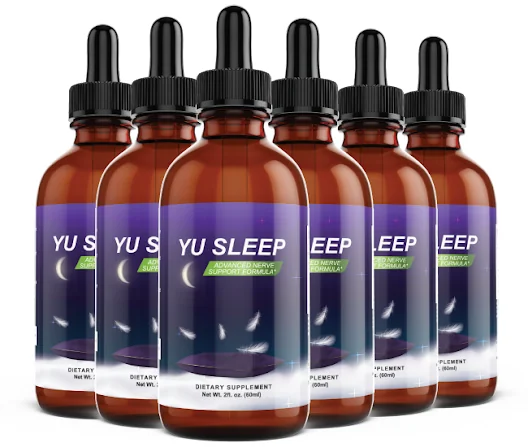
Plain melatonin is a single hormone at a dose you buy; YU Sleep is a multi-ingredient liquid formula that contains a small 0.9 mg of melatonin plus seven other sleep-supporting compounds. In short, melatonin is one active ingredient, while YU Sleep uses melatonin as part of a broader blend aimed at sleep maintenance. That difference changes the dose, the delivery, the side-effect profile, and who each suits. This guide compares them side by side, honestly. For the full product story, see our YU Sleep review and ingredients guide.
The Big Picture
- Melatonin: one ingredient, typically 3–10 mg in pills, aimed at helping you sleep.
- YU Sleep: 0.9 mg melatonin + L-theanine, magnesium, lemon balm, tart cherry, apigenin, 5-HTP and GABA, as a liquid, aimed at staying asleep.
Neither is a “scam vs. real” situation — both have a place. It is a question of what problem you have and what delivery you prefer.
Dose: 0.9 mg vs. the Shelf Standard
The clearest difference is dose. A typical melatonin bottle has 3–10 mg per serving; YU Sleep contains 0.9 mg. The NIH notes low-dose melatonin can help some people fall asleep, and higher amounts mainly add side-effect risk rather than extra benefit. So a small dose is not “less effective” by default — it is a different design philosophy (physiological signal vs. heavier effect). If you are used to 5–10 mg and it makes you groggy, the low-dose approach is worth a look; if you genuinely need a strong onset push, plain high-dose melatonin gives more of that raw effect.
Formula: One Ingredient vs. Seven
Plain melatonin is exactly that — melatonin. YU Sleep pairs its small melatonin dose with L-theanine (calm), magnesium (restorative sleep stages), lemon balm and apigenin (relaxation), tart cherry (natural melatonin source), 5-HTP (serotonin support) and GABA (quiets brain overactivity). The idea is to tackle sleep maintenance — staying asleep and handling 3 a.m. wake-ups — with a coordinated blend rather than a single signal. The honest caveat: those seven sit in a 637 mg proprietary blend with individual doses unpublished, so you cannot verify each one’s exact amount.
Delivery: Liquid Drops vs. Pills
YU Sleep is a liquid sublingual formula — two droppers held under the tongue about 30 minutes before bed. That format absorbs quickly and bypasses first-pass liver metabolism, and it lets you adjust a partial dose. Plain melatonin is usually a tablet or capsule, simpler to carry, but with a fixed dose and slower, less partial control. Some people strongly prefer liquid; most find pills easier to store. It is a convenience trade-off, not a quality judgement.
Side Effects Compared
Both are generally mild when used appropriately, with one clear difference: grogginess scales with dose. At 5–10 mg, plain melatonin is more likely to cause next-morning drowsiness, headaches, or vivid dreams. At 0.9 mg, YU Sleep is less likely to do that — which is a big reason people who dislike groggy mornings choose low-dose formulas. The counterpoint is that YU Sleep’s 5-HTP is not dose-disclosed, so anyone on serotonergic medication should ask a prescriber first. Full safety detail is in our ingredients and review.
Who Each Suits
Plain melatonin suits you if:
- You want a familiar, cheap, simple single-ingredient option.
- You need a noticeable onset effect and tolerate or want a higher dose.
- You prefer pills/capsules and a fixed dose.
- You are on a budget and melatonin alone is enough.
YU Sleep suits you if:
- Your problem is staying asleep or waking at 3 a.m., not falling asleep.
- You dislike grogginess from standard melatonin doses.
- You want a coordinated multi-ingredient approach in liquid form.
- You value a refund-backed (60-day) structured product.
Price and Value
Plain melatonin is inexpensive — often a few dollars a bottle — and uncomplicated. YU Sleep is a premium multi-ingredient formula with a higher price per serving, justified by the broader blend, the liquid format, and a 60-day money-back guarantee through ClickBank. The honest math: if melatonin alone does not fix your specific sleep problem, the extra spend on a coordinated formula may be worth it; if a simple dose does the job, paying more is unnecessary. Value depends entirely on which problem you have.
Head-to-Head: Melatonin vs. YU Sleep
| Feature | Plain Melatonin | YU Sleep |
|---|---|---|
| Melatonin dose | 3–10 mg | 0.9 mg |
| Other actives | None | 7 (L-theanine, magnesium, lemon balm, apigenin, tart cherry, 5-HTP, GABA) |
| Main target | Sleep onset | Sleep maintenance (staying asleep) |
| Format | Tablet/capsule | Liquid sublingual drops |
| Next-day grogginess | More likely at 5–10 mg | Less likely at 0.9 mg |
| Price | Low | Premium |
| Guarantee | Usually none | 60-day refund (ClickBank) |
That table is the honest snapshot: YU Sleep is not a stronger melatonin — it is a different, broader tool with less melatonin and more supporting ingredients, aimed at a different sleep complaint.
Sleep Onset vs. Sleep Maintenance
The single most useful way to choose is to name your actual problem. Sleep onset is the difficulty of falling asleep at the start of the night — that is where plain melatonin is most classically useful. Sleep maintenance is the problem of waking at 3 a.m. and struggling to stay asleep — that is the less fashionable, more common complaint, and it is exactly what YU Sleep is framed around. If you fall asleep fine but wake in the night, a sleep-maintenance blend makes more sense than a stronger onset dose; if you cannot get to sleep at all, high-dose onset support may be more direct. Be honest about which one you have before buying.
What a Melatonin Dose Actually Does
Understanding the mechanics avoids a common mistake. Melatonin is a hormone your body already makes as darkness falls; a supplement simply raises that signal. NCCIH explains that melatonin’s timing signal helps synchronize your internal clock, and that effect is mostly dose-independent once you reach a physiological level. That is why piling on milligrams does not automatically help more — you are increasing side-effect risk, not the quality of the signal. A well-designed low-dose approach leans into this truth rather than against it.
Common Misconceptions
- “Higher mg = stronger = better.” Not for melatonin; more mg mostly adds side effects.
- “0.9 mg must not work.” Not true — a physiological dose is enough for many, especially for maintenance.
- “They do the same job.” They target different phases (onset vs. maintenance).
- “Combine them for best results.” No — double-dosing melatonin is how you overshoot.
A 5-Question Quick Check
- Is my problem falling asleep, or staying asleep? (→ onset = melatonin; maintenance = YU Sleep-style)
- Do I get groggy on 3–5 mg melatonin? (→ prefer a low-dose formula)
- Do I want a single cheap pill, or a monitored multi-ingredient approach?
- Do I need a refund-backed trial to feel safe? (→ YU Sleep’s 60-day)
- Am I on any medication (serotonergic drugs, blood thinners)? (→ check with a doctor first)
Answering those five honestly resolves most of the confusion without any need for deeper speculation.
Timing & Tolerance
One more practical factor: melatonin’s effect is strongly tied to when you take it, and taking it late or at erratic times can shift your clock the wrong way. A fixed evening routine at a consistent time matters for both plain melatonin and YU Sleep. Tolerance also varies — some people are very sensitive to even small doses and sleep best on a physiological amount; others feel little until higher. Low-dose formulas respect the first group well and give a gentler place to start.
Who Should Avoid Either
Anyone who is pregnant or breastfeeding, on interacting medication, or managing a medical condition should check with a doctor before melatonin in any form. Per the NIH, people with epilepsy and people taking blood thinners should keep melatonin under medical supervision. And because YU Sleep adds 5-HTP, anyone on serotonergic medication needs a prescriber’s input. Neither product is a treatment for a suspected sleep disorder — that needs a proper workup.
Cost Per Night: A Realistic View
It is worth comparing value, not just sticker price. A cheap melatonin bottle may cost a few dollars per month, but if it leaves you groggy or does not fix your specific sleep complaint, the real cost is wasted nights and a product you stop using. A premium YU Sleep bottle costs more per serving but covers roughly 30 servings, includes the broader blend, and comes with a 60-day refund — so if it does not fit, you are not out the money. For sleep maintenance specifically, the cheaper single dose often simply is not aimed at your problem at all.
Special Situations: Jet Lag and Shift Work
Melatonin has one uniquely strong well-supported use: helping reset your body clock across time zones or around shift changes. For pure jet-lag timing, a clean dose of melatonin at the right local bedtime is the classic, cost-effective approach — that is a case where a plain melatonin product may outperform a blend. YU Sleep’s broader formula is framed for nightly maintenance rather than a one-off clock reset. If your need is travelling or shift work, lean toward plain timed melatonin; if it is nightly fragmented sleep, the blend has the edge. Know your situation and pick accordingly.
The Bottom Line
Choose YU Sleep if you want a coordinated low-dose formula for sleep maintenance (staying asleep) with less grogginess and a refund guarantee; choose plain melatonin if you want a simple, cheap single dose for sleep onset and you are fine with a higher mg dose. They are not rivals so much as different tools for different complaints. If your nights are about fragmented sleep and a racing mind, the fuller formula is worth the premium; if a basic onset nudge is all you need, buy the bottle, take it at the same time nightly, and judge over a couple of weeks.
👉 Ready to try YU Sleep? Check the official YU Sleep price here → — ClickBank-processed, 60-day guarantee.
Related: YU Sleep for 3 AM Wake-Ups · Natural Liquid Sleep Supplement (Melatonin Dropper)
Frequently Asked Questions
Is YU Sleep stronger than melatonin?
Not by melatonin content — it has only 0.9 mg. It pairs that low dose with seven other ingredients for a broader, gentler effect aimed at staying asleep rather than a heavier, more sedative-style onset.
Can I take YU Sleep and melatonin together?
No — YU Sleep already contains melatonin, and stacking it with more melatonin can overdo a dose. Pick one, or combine only with a doctor’s advice.
Which has fewer side effects?
Both are mild at the right dose, but YU Sleep’s low 0.9 mg is less likely to cause next-morning grogginess than the 5-10 mg common in plain melatonin pills.
Is the 0.9 mg melatonin in YU Sleep enough?
For gentle sleep maintenance, yes — a physiological dose is often enough. It is not meant to act like a strong high-dose sedative; see our dedicated melatonin guide.
Which is better for 3 a.m. wake-ups?
YU Sleep is specifically designed for sleep maintenance — staying asleep and reducing nighttime wake-ups at the 3 a.m. mark — which is a stronger match than a plain onset-focused melatonin dose aimed only at falling asleep at the start of the night.
Sources & References
Reviewed September 2026. Informational only, not medical advice. Contains affiliate links.
👉 Last step: official YU Sleep checkout here →
2 Comments
Comments are closed.