YU Sleep Side Effects: What to Know Before You Take It
Disclaimer: Informational only, not medical advice. Talk to a doctor before starting any supplement, especially if you are pregnant, breastfeeding, or on medication. Contains affiliate links.
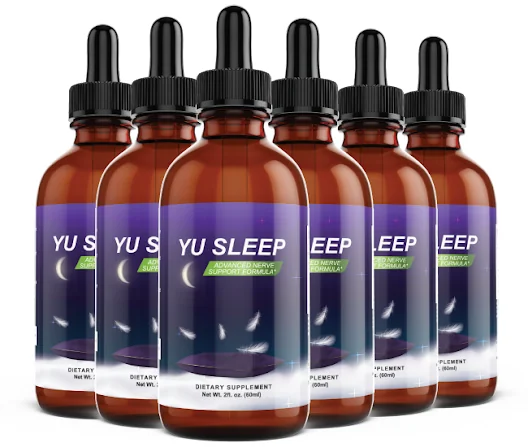
Label transparency note (verified, 2026): the current supplement facts panel lists only 0.9 mg melatonin plus vitamin B2 and B6 (0.5 mg each) with exact amounts. The other seven active ingredients — tart cherry, magnesium glycinate, apigenin, lemon balm, 5-HTP, L-theanine and GABA — sit inside a single 637 mg “proprietary blend” with no individual amounts published. So the exact dose of any one of those ingredients cannot be read from the label.
Who should check first (2026): because the 5-HTP amount is not disclosed, anyone taking serotonergic medication (SSRIs, SNRIs, MAOIs, triptans or similar) should consult a doctor or pharmacist before use — 5-HTP can interact with serotonin-affecting drugs. People with epilepsy and people on blood-thinning medication should also keep melatonin under medical supervision per NIH guidance.
Are There Side Effects of YU Sleep?
YU Sleep is generally well tolerated at its low dose, but mild side effects are possible — most commonly next-morning drowsiness or grogginess, and occasionally mild digestive upset from magnesium. Because it uses only about 0.9 mg of melatonin along with plant-based ingredients, it carries far less risk than high-dose sleep aids. Below is the honest, ingredient-by-ingredient breakdown of what you might notice, who should be careful, and how to use it safely. For the full product background, see our YU Sleep review and ingredients guide.
The Short Version
For most healthy adults, YU Sleep’s main “side effect” is feeling a little drowsier in the morning if taken too late or at a sensitive dose. Some people notice mild stomach upset or a calmer, slightly sedated feeling in the evening. Serious reactions are uncommon, and the formula is deliberately gentle. The two groups who should be extra careful are people on interacting medication and anyone pregnant or breastfeeding. If you are in either group, run it past a professional before your first dose.
Side Effects by Ingredient
Melatonin (0.9 mg): at this low dose, the risk is small. According to the National Institutes of Health, common mild melatonin effects include drowsiness, headache, dizziness, or nausea in sensitive people — usually at higher doses, but still possible at low ones. It can also slightly shift your internal clock if taken at inconsistent times.
L-Theanine: extremely well tolerated; rarely, very high amounts can cause headaches or low blood pressure, but the serving here is modest. Magnesium Glycinate: the most likely cause of mild digestive upset (loose stools) in sensitive people — the most common real-world “side effect” reported. 5-HTP: generally gentle, but like any serotonin-related compound, a small subset may feel nausea or mood shifts; keep to the recommended dose. Botanical extracts (tart cherry, lemon balm, apigenin, valerian-family notes): rare sensitivities only.
In plain terms: nothing here is alarming, but “no side effects” is never guaranteed for anyone. The honest rule is to start at the suggested serving, watch how your body responds, and stop if anything feels wrong — your comfort and safety are the priority.
Most Common Real-World Reports
Across user feedback, the patterns are mild: grogginess if taken too late (e.g. after midnight), a slightly unsettled stomach among people newer to magnesium, and occasionally over-drowsiness in people who are especially sensitive to melatonin. Less common but possible: vivid dreams or waking once during the night early on. None of these are serious, and most fade within a few days as the body adjusts.
Who Should Be Extra Careful (Or Skip It)
Get medical advice before taking YU Sleep if you: are pregnant or breastfeeding; take sedatives, antidepressants, or blood-pressure medication; have a diagnosed sleep disorder (like sleep apnea or narcolepsy); or have a liver or kidney condition that involves magnesium handling. For untreated sleep disorders, see a doctor rather than self-treating — a supplement is not the right first step there.
Things Not To Combine With YU Sleep
Do not stack YU Sleep with other sleep aids, sedatives, or alcohol, and avoid taking it right after a heavy caffeine day’s tail (the evening) — the goal is a gentle transition, not layering multiple depressants. If you are also taking a separate magnesium supplement, check the total so you do not overdo it. The NIH notes that while magnesium is generally safe, too much can cause digestive upset or, in large excess, more serious issues.
How to Use YU Sleep Safely
Start with the suggested 2 droppers about 30 minutes before bed, at a consistent time. Do not double up “to sleep faster.” Take it after food if your stomach is sensitive. Give yourself an honest two-to-four-week trial before judging, and stop + ask a doctor if you feel unwell. Because the dose is low, you can also adjust by taking it slightly earlier in the evening if mornings feel heavy.
YU Sleep vs. High-Dose Melatonin: Side Effects Compared
The strongest reason YU Sleep is considered low-risk is its dose. Many drugstore sleep aids pack 5–10 mg of melatonin — far more than the 0.9 mg here — and that higher dose is exactly what drives next-day grogginess, headaches, dizziness, and vivid dreams for many people. The NIH notes that long-term melatonin studies are limited and higher doses carry a higher chance of side effects. So while no sleep aid is side-effect-free, YU Sleep’s low dose puts it on the gentler end of the scale — the fair trade-off being that it is also less “knockout” strong.
What If You Take Too Much?
If someone takes more than the 2-dropper serving, the likely result is simply excessive drowsiness and a heavier morning, and possibly mild stomach upset — not a medical emergency at this dosage. Still, treat the serving as a maximum, not a starting line: more does not mean better sleep, it really just means more side-effect risk with little added benefit. If you accidentally take more and feel unwell, stop and check with a doctor or a poison-resources line for peace of mind.
Long-Term Use & Dependency
The brand markets YU Sleep as non-dependency — designed to support your natural sleep rhythm rather than require a nightly dose. Nothing in the formula is habit-forming in the way prescription sedatives can be, and it is safe to stop. That said, healthy, lasting sleep still rests on habits: a consistent schedule, limited evening caffeine and screens, and regular physical activity. Think of the supplement as support for a good routine, not a replacement for one — that is the mindset that avoids leaning on any product long-term.
The Bottom Line on YU Sleep Side Effects
Judged honestly, YU Sleep’s low melatonin dose and gentle plant formula make it a low-risk sleep supplement for most adults — with the main real-world notes being morning drowsiness and occasional mild stomach upset. It is not for everyone, and it is not an excuse to skip medical care for a genuine sleep disorder. If you are healthy, want a mild natural night aid, and follow the safe-use steps above, the side-effect risk is modest — and the 60-day guarantee makes it a low-stakes trial.
👉 Ready to try YU Sleep? Check today’s price on the official YU Sleep site → — one-off purchase, 60-day guarantee.
When to Stop and See a Doctor
Stop taking YU Sleep and get medical advice if you notice anything beyond mild, short-lived discomfort — such as persistent dizziness, an allergic reaction (rash, swelling, trouble breathing), unusual heart palpitations, or severe digestive distress — or if symptoms do not settle after a few days. Also stop if you are about to add a new prescription medication, have surgery coming up, or your sleep complaint suddenly worsens. A supplement is only worth using when it is helping and safe; the moment it stops being either, drop it and talk to a professional.
Related: Best Natural Sleep Supplements 2026
Related YU Sleep reading: Is YU Sleep Legit? · 637 mg Blend Explained
Related: YU Sleep 0.9 mg Melatonin: Is It Enough?
Frequently Asked Questions
Does YU Sleep make you groggy the next morning?
At only 0.9 mg of melatonin it is much less likely than high-dose aids, but people who are sensitive or take it very late may feel some morning drowsiness at first.
Can YU Sleep upset your stomach?
Yes, occasionally — magnesium glycinate can cause mild digestive upset in some people. Taking it after food usually helps.
Who should not take YU Sleep?
Pregnant or breastfeeding women, people on sedatives/antidepressants or certain medications, and anyone with a diagnosed sleep disorder should check with a doctor first.
Is it safe to take YU Sleep every night?
For most healthy adults, yes, at the recommended low dose. It is not meant as a dependency — it supports your natural sleep system rather than forcing you to rely on it — and it is safe to stop at any point.
Can I take YU Sleep with melatonin or other sleep supplements?
No, avoid stacking it with other sleep aids, sedatives, or alcohol — it already contains melatonin and combining could overdo it.
Can I take YU Sleep while pregnant?
Pregnant or breastfeeding women should check with their doctor before using YU Sleep, since melatonin and herbal compounds are not routinely studied in pregnancy and interact with changing hormones.
Sources & References
- NIH Office of Dietary Supplements – Melatonin Factsheet
- NCCIH – Melatonin: What You Need to Know
- NIH Office of Dietary Supplements – Magnesium Factsheet
Reviewed September 2026. Informational only, not medical advice. Contains affiliate links.
👉 Last step: See the official YU Sleep price here →
7 Comments
Comments are closed.