YU Sleep for 3 AM Wake-Ups: Can It Help You Stay Asleep?
Disclaimer: Informational only, not medical advice. Contains affiliate links.
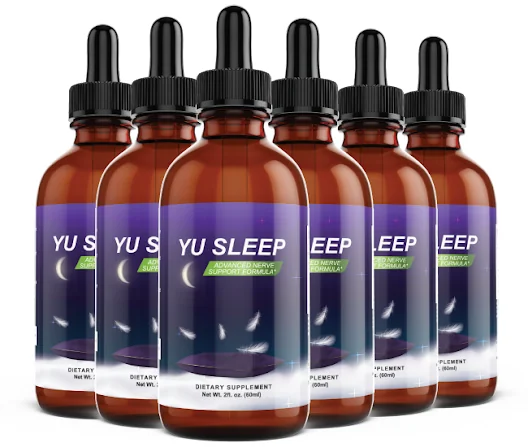
Can YU Sleep Help With 3 AM Wake-Ups?
YU Sleep is a low-melatonin liquid formula designed around sleep maintenance — the problem of waking in the middle of the night and not falling back asleep — rather than sleep onset. Its 0.9 mg melatonin plus seven relaxing compounds target the specific pattern of 3 a.m. wake-ups, racing mind, and fragmented sleep. If you fall asleep fine but snap awake hours later, that is a maintenance problem, and it is exactly what this formula is built for. This guide looks at why 3 a.m. wake-ups happen, how YU Sleep’s ingredients fit that problem, and what realistic results to expect — honestly, no hype. For the full product story, see our YU Sleep review and ingredients guide.
Why You Wake at 3 AM (and Why It’s Different From Falling Asleep)
Waking at 3 a.m. is one of the most common sleep complaints, and it has a different biology than trouble falling asleep. The NIH notes that sleep is organized in cycles of roughly 90 minutes, alternating between lighter and deeper stages. As the night progresses, each cycle contains more light sleep and REM — meaning your brain is naturally closer to wakefulness in the second half of the night, especially between 2 and 4 a.m.
Add to that a spike in cortisol toward morning, a drop in melatonin as the night wears on, or a racing mind that amplifies any micro-arousal into a full awakening, and 3 a.m. becomes the classic trouble zone. A high-dose melatonin pill taken at 10 p.m. may have already cleared its peak by then, leaving you unprotected exactly when you need it most. This is why a maintenance-oriented formula with a gentler, broader approach makes sense for this specific complaint.
For a deep comparison, see our YU Sleep vs Melatonin guide.
How YU Sleep’s Formula Targets Sleep Maintenance
YU Sleep is not a knockout pill. It is a liquid blend of eight compounds — 0.9 mg melatonin plus seven others inside a 637 mg proprietary blend — chosen to address the factors that keep you awake at 3 a.m. Here is how each ingredient fits the maintenance picture:
- Melatonin (0.9 mg): a low, physiological dose that gently extends the sleep signal without overwhelming the system. The NIH notes melatonin can help with sleep, and a low dose is less likely to cause grogginess.
- L-theanine: an amino acid that promotes calm, focused relaxation — directly useful for the racing mind that strikes at 3 a.m.
- Magnesium glycinate: supports restorative sleep stages and muscle relaxation; magnesium deficiency is linked to poorer sleep quality.
- Lemon balm & apigenin: gentle botanicals traditionally used to reduce stress-related wakefulness.
- Tart cherry: a natural source of melatonin and anti-inflammatory compounds that may support sustained sleep.
- 5-HTP: supports serotonin production, a precursor to melatonin — helping the body’s own sleep pathway.
- GABA: quiets overactive brain activity, which is central to the “mind won’t shut off at 3 a.m.” complaint.
The honest caveat: those seven sit in a 637 mg proprietary blend, so individual doses are not disclosed. You can verify what is in the blend but not how much of each. For more detail, see our 637 mg blend explained guide.
Why Low-Dose Melatonin Makes Sense for 3 AM
The dose question is critical for the 3 a.m. problem. A 5–10 mg melatonin pill creates a large early spike that may help you fall asleep but can also cause next-morning grogginess and does not necessarily keep you asleep through the night. YU Sleep’s 0.9 mg is a physiological dose — closer to what your body naturally produces — which means it nudges the sleep signal rather than forcing it.
For sleep maintenance, a gentle nudge paired with relaxing compounds may be more effective than a heavy sedative push, because the problem is not “falling asleep” but “staying asleep.” Read our dedicated 0.9 mg melatonin guide for the full breakdown.
Liquid Delivery: Why It Matters at 3 AM
If you wake at 3 a.m. and want something to help you fall back asleep, format matters. A tablet takes 30–60 minutes to dissolve and absorb, by which time you may have been lying awake for an hour. YU Sleep is a liquid sublingual formula — two droppers held under the tongue — which absorbs more quickly because it bypasses first-pass liver metabolism.
That faster absorption is a genuine practical advantage for the 3 a.m. scenario: you are already awake, you want to get back to sleep quickly, and a liquid formula gets to work sooner than a pill. It also lets you take a partial dose if you are sensitive — something a fixed-dose tablet cannot offer.
Realistic Expectations: What Results Look Like
Honest expectations matter. YU Sleep is not a sleeping pill that knocks you out. With its low-dose, multi-ingredient approach, the results are likely to be gradual and cumulative rather than dramatic on night one. People typically report:
- Fewer middle-of-the-night wake-ups over days to weeks of consistent use.
- Less racing-mind activity when they do briefly wake.
- Quicker return to sleep after a wake-up, rather than lying awake for an hour.
- Less next-morning grogginess compared to high-dose melatonin.
Judge it over a fair trial window of 1–2 weeks, not a single night. The 60-day money-back guarantee lets you test it properly without financial risk. For a cost-benefit analysis, see our Is YU Sleep Worth It? guide.
Who Should Try YU Sleep for 3 AM Wake-Ups?
YU Sleep may suit you if:
- You fall asleep fine but wake between 2 and 4 a.m. and cannot get back to sleep.
- Your 3 a.m. wake-ups come with a racing, overactive mind.
- You have tried high-dose melatonin and disliked the grogginess.
- You prefer a liquid formula for faster middle-of-the-night absorption.
- You want a 60-day refund-backed trial period.
Who should look elsewhere:
- If your problem is falling asleep at bedtime (onset), a simpler melatonin or different approach may fit better.
- If you are on serotonergic medication (SSRIs, SNRIs, MAOIs, triptans), the undisclosed 5-HTP dose means you must consult a prescriber first.
- If you have epilepsy or take blood thinners, melatonin should be used under medical supervision per the NIH.
Full safety detail is in our YU Sleep side effects guide.
How to Use YU Sleep for 3 AM Problems
The recommended usage is two droppers (2 mL) held under the tongue about 30 minutes before bed. The sublingual delivery lets it absorb quickly. Consistency matters — take it at the same time each night so your body’s sleep-wake rhythm stays aligned.
If you know your 3 a.m. wake-up pattern is consistent, taking YU Sleep nightly builds the relaxing compounds in your system over several days, which may reduce the intensity and frequency of wake-ups more than a single one-off dose. A bottle provides roughly 30 servings.
Lifestyle Factors That Worsen 3 AM Wake-Ups
No supplement fixes 3 a.m. wake-ups on its own if lifestyle factors are driving them. The most common amplifiers:
- Late alcohol: helps you fall asleep but fragments the second half of the night.
- Caffeine after noon: has a half-life of 5–6 hours and can still be active at 3 a.m.
- Room temperature: a warm room disrupts the natural core-temperature drop needed for deep sleep.
- Screen light before bed: blue light suppresses your body’s own melatonin, shifting the sleep signal.
- Stress and anxiety: the single biggest driver of racing-mind wake-ups.
Pairing YU Sleep with better sleep hygiene — dark room, cool temperature, no screens in the last hour, and a consistent bedtime — gives the formula its best chance to work.
Is YU Sleep Legit for This Problem?
YU Sleep is a ClickBank-listed product with a 60-day refund policy, a disclosed melatonin dose, and a coherent ingredient rationale aimed at sleep maintenance. It is not a miracle, and the proprietary blend limits what you can verify about individual doses — but for the specific complaint of 3 a.m. wake-ups, the formula design makes sense. See our full trust analysis at Is YU Sleep Legit?
The Bottom Line
If you fall asleep fine but wake at 3 a.m. with a racing mind and cannot get back to sleep, YU Sleep’s low-melatonin, multi-ingredient liquid formula is a defensible match for that problem. The 0.9 mg dose avoids the grogginess of high-dose melatonin, the liquid sublingual delivery absorbs faster than a pill when you need it most, and the blend of GABA, L-theanine, magnesium and calming botanicals targets the racing-mind component directly. The honest caveats — undisclosed individual doses in the 637 mg blend, and the 5-HTP safety note for anyone on serotonergic medication — are things to weigh, not dealbreakers. Try it over 1–2 weeks with the 60-day refund as your protection.
☚ Ready to try YU Sleep for 3 a.m. wake-ups? Check the official YU Sleep price here → — ClickBank-processed, 60-day guarantee.
Related: YU Sleep vs Melatonin: What’s the Difference? · Best Natural Sleep Supplements 2026
Frequently Asked Questions
Does YU Sleep help with 3 AM wake-ups?
YU Sleep is specifically designed for sleep maintenance — staying asleep and reducing middle-of-the-night wake-ups. Its low 0.9 mg melatonin plus GABA, L-theanine and calming botanicals target the racing-mind component that often accompanies 3 a.m. wake-ups.
Is 0.9 mg melatonin enough for sleep maintenance?
For gentle sleep maintenance, a physiological low dose can be effective because it mirrors the body’s natural melatonin signal. It is not meant to act like a heavy sedative; it nudges the sleep cycle without causing grogginess. See our 0.9 mg melatonin guide.
Can I take YU Sleep in the middle of the night when I wake up?
The recommended usage is two droppers 30 minutes before bed. If you wake at 3 a.m., taking it then may help you fall back asleep faster due to the liquid sublingual delivery, but consistent nightly use builds the relaxing compounds in your system over days for better maintenance results.
Why do I always wake up at 3 AM?
Sleep cycles naturally contain more light sleep in the second half of the night, making 2–4 a.m. a common wake zone. Factors like cortisol rise, dropping melatonin, stress, alcohol, and caffeine can amplify micro-arousals into full awakenings.
Will YU Sleep make me groggy in the morning?
At 0.9 mg melatonin, YU Sleep is less likely to cause next-morning grogginess than the 5–10 mg common in plain melatonin pills. The low dose is a deliberate choice to avoid the drowsy hangover many people dislike.
Is YU Sleep safe for nightly use?
The ingredients are generally considered safe for short-term nightly use. If you are on serotonergic medication, have epilepsy, or take blood thinners, consult a doctor first due to the 5-HTP and melatonin content. See our side effects guide.
Sources & References
- NIH National Heart, Lung, and Blood Institute – Sleep Science
- NIH Office of Dietary Supplements – Melatonin Factsheet
- CDC – Sleep and Sleep Disorders
Reviewed September 2026. Informational only, not medical advice. Contains affiliate links.
☚ Last step: official YU Sleep checkout here →
3 Comments