YU Sleep 0.9 mg Melatonin: Is It Enough for Sleep?
Disclaimer: Informational only, not medical advice. Contains affiliate links.
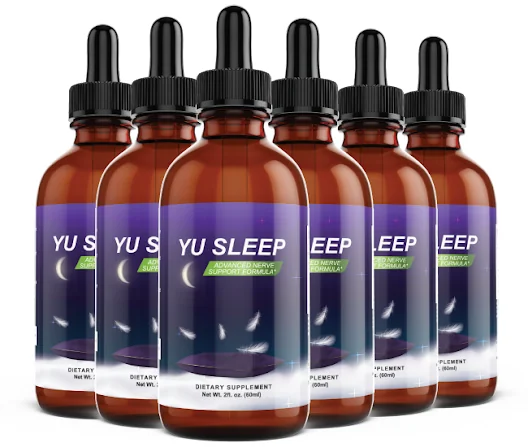
Is 0.9 mg of Melatonin in YU Sleep Enough?
For the majority of adult users, the 0.9 mg of melatonin in YU Sleep is enough — and it is deliberately low by design. It is far below the 3–10 mg found in most shelf sleep aids, but that is the point: YU Sleep is aimed at sleep maintenance (staying asleep and reducing 3 a.m. wake-ups) rather than knocking you out fast. Research generally supports that melatonin plays a signaling role — a physiological dose is often enough to nudge your internal clock — and a low dose carries far less risk of next-morning grogginess. Below is the full, evidence-based picture, including who might need more. For the formula context, see our ingredients guide.
How Much Melatonin Do People Usually Take?
The most common retail dose is 3–5 mg, and some products go as high as 10 mg or more. The irony is that the NIH notes melatonin can help some people fall asleep, but higher doses are not necessarily more effective — melatonin is more about timing and signal than raw amount. Many experts consider a physiological dose (roughly 0.3–1 mg) enough to produce the desired effect in most people, with larger doses mainly adding side-effect risk like next-day drowsiness or vivid dreams.
Why YU Sleep Chose 0.9 mg
YU Sleep’s 0.9 mg sits squarely in that physiological range. Because the formula is positioned for sleep maintenance — supporting the natural sleep architecture rather than forcing sleep onset — a big melatonin blast is neither needed nor wanted. A gentle dose works with your body’s nightly signal, and pairing it with calming ingredients (L-theanine, magnesium, lemon balm) is designed to tackle the staying-asleep problem without heavy sedation. NCCIH notes low-dose melatonin is generally considered safe for short-term adult use, which is exactly why a dose this small is a comfortable, defensible choice.
What 0.9 mg Can Reasonably Do
- Support your natural melatonin rhythm as a gentle night-time signal.
- Help with the transition to sleep when taken at a consistent bedtime.
- Work with the other ingredients to ease 3 a.m. wake-ups (sleep maintenance).
- Carry a low risk of next-morning grogginess compared with 5–10 mg.
What 0.9 mg Is Probably Not Enough For
Be honest about limits. A low dose is not designed for people who want a strong, fast “lights out” effect, and it will not act like a sedative. If your main problem is severe difficulty falling asleep that needs more pharmacological effect — or a suspected sleep disorder — a low-dose supplement is not the tool, and a doctor should weigh in. For mild difficulty winding down and fragmented sleep, the low dose is a reasonable, gentler alternative to the megadose approach — which is exactly the trade-off YU Sleep is making.
Timing Matters More Than Dose
With melatonin, when you take it matters as much as how much. Consistent timing at about 30 minutes before your target bedtime helps signal your body that night is coming; erratic timing can shift your internal clock in unhelpful ways. The practical rule with YU Sleep: take the suggested dose at roughly the same time each evening, pair it with a calm wind-down, and give it longer than a single night to assess.
Melatonin: Disclosed vs. the Blend
One clean advantage: YU Sleep discloses the melatonin dose separately (0.9 mg) rather than burying it in the 637 mg proprietary blend. That means you know exactly how much melatonin you are getting — something many competitors do not offer. The rest of the formula sits in the blend with individual doses unpublished, which is the transparency limit to keep in mind as a whole (see our ingredients guide for the full picture).
Who Should Be Careful With Any Melatonin
Even at a low dose, check with a doctor if you are pregnant or breastfeeding, on medication, or managing a medical condition. Per the NIH, people with epilepsy and people taking blood-thinning medication should keep melatonin under medical supervision. And because the formula contains 5-HTP with an undisclosed dose, anyone on serotonergic medication should ask a prescriber first. Full safety detail is in our side effects guide.
Melatonin vs. Sedative-Style Sleep Aids
It helps to understand what melatonin is not. Melatonin is a hormone that helps set your circadian timing, not a sedative or a sleep drug. Sedative-style products act directly on the central nervous system to force drowsiness. Melatonin works indirectly — it tells your body it is night and helps you transition into sleep naturally. That difference explains the dose: you do not need a large amount to send a timing signal, and low-dose melatonin delivers that signal with far less grogginess than a more aggressive approach.
Who the 0.9 mg Dose Suits Best
Good fit
- People with mild trouble winding down and staying asleep.
- Anyone sensitive to grogginess from standard 3–5 mg products.
- Those who want a gentle daily support alongside good sleep habits.
- Older adults who prefer a low-and-slow approach over a heavy dose.
Probably not the right fit
- Anyone needing a strong, fast onset effect each night.
- People with suspected sleep disorders who need a workup, not a bottle.
- Anyone on medications that interact with melatonin or 5-HTP.
Low Dose vs. High Dose: Side Effects Compared
The practical payoff of a low melatonin dose is in the side-effect ledger. Common complaints at 5–10 mg include next-morning grogginess, headaches, dizziness, and vivid dreams. At 0.9 mg these are much less likely, which is the main reason people who are sensitive to standard supplements often tolerate low-dose formulas better. The honest trade-off: you exchange some “knockout” strength for a clearer morning — a reasonable bargain for a sleep-maintenance product, and precisely the positioning YU Sleep chooses.
How to Get the Best From 0.9 mg
The dose only helps if the habits around it support sleep. Take YU Sleep about 30 minutes before your target bedtime, at a consistent time every night. Pair it with a wind-down that limits screens and bright light, keep caffeine out of the evening, and give the formula at least two to four weeks before judging — low-dose, physiological support is gradual by design. Use the 60-day guarantee so the trial is risk-free, and expect “fewer middle-of-the-night wake-ups” rather than a nightly sedative effect.
A Common Misconception
Many people assume a sleep supplement’s strength equals its melatonin size. The truth is the opposite for most uses: melatonin is a timing signal, so piling in more milligrams rarely works better and commonly adds side effects. Judging YU Sleep with that lens — dose is a design choice, not a shortcoming — is the most honest way to evaluate whether 0.9 mg is enough for you.
The Bottom Line
Yes, 0.9 mg of melatonin is enough for most people — because the goal is gentle sleep maintenance, not a heavy knockout. It is a deliberate, physiological-dose choice that prioritizes low side-effect risk over raw power. If your sleep struggle is mild and about staying asleep, this is a sensible, honest approach; if you need a strong onset effect or have a real sleep disorder, see a doctor rather than chasing a higher dose. Full context in our YU Sleep review.
👉 Ready to try YU Sleep? Check the official YU Sleep price here → — ClickBank-processed, 60-day guarantee.
Frequently Asked Questions
Is 0.9 mg of melatonin too little?
Not necessarily. 0.9 mg is a physiological-range dose; melatonin acts as a timing signal, and for gentle sleep maintenance a low dose is often enough and safer than higher ones.
Does YU Sleep contain enough melatonin to help?
For mild sleep-maintenance struggles, yes — low doses are designed to work with your natural rhythm. It is not meant for strong, fast onset or serious sleep disorders.
Is more melatonin better?
No. Higher doses are not shown to work better and mainly add side-effect risk like grogginess and vivid dreams. Timing and consistency matter more than dose.
How much melatonin is in each YU Sleep serving?
0.9 mg per serving, disclosed separately from the formula’s proprietary blend — one of the few ingredients with an exact published amount.
What is the best time to take YU Sleep?
About 30 minutes before your target bedtime, at a consistent time each evening, paired with a calm wind-down routine.
Will 0.9 mg of melatonin make me drowsy the next day?
Unlikely — at 0.9 mg the risk of next-morning grogginess is far lower than with 5-10 mg doses. That low-grogginess design is a core reason the dose was chosen.
Sources & References
Reviewed September 2026. Informational only, not medical advice. Contains affiliate links.
👉 Last step: official YU Sleep checkout here →
8 Comments
Comments are closed.